Ever dreamt of a place where volcanic landscapes meet pristine turquoise waters, creating a canvas so breathtaking your camera will practically beg to snap every moment?
As someone who lives and breathes travel photography, trust me when I say the Comoros Islands are exactly that kind of hidden gem. Tucked away in the Indian Ocean, this archipelago offers a vibrant tapestry of culture, untouched natural beauty, and scenes just waiting for your lens.
Forget the overcrowded tourist traps; Comoros is where you’ll find those truly unique, soul-stirring shots that make your portfolio sing. If you’re eager to discover some seriously spectacular spots to capture the magic of these enchanting islands, let’s explore this photographic paradise together!
Embracing the Grandeur of Grand Comore’s Volcanic Heart
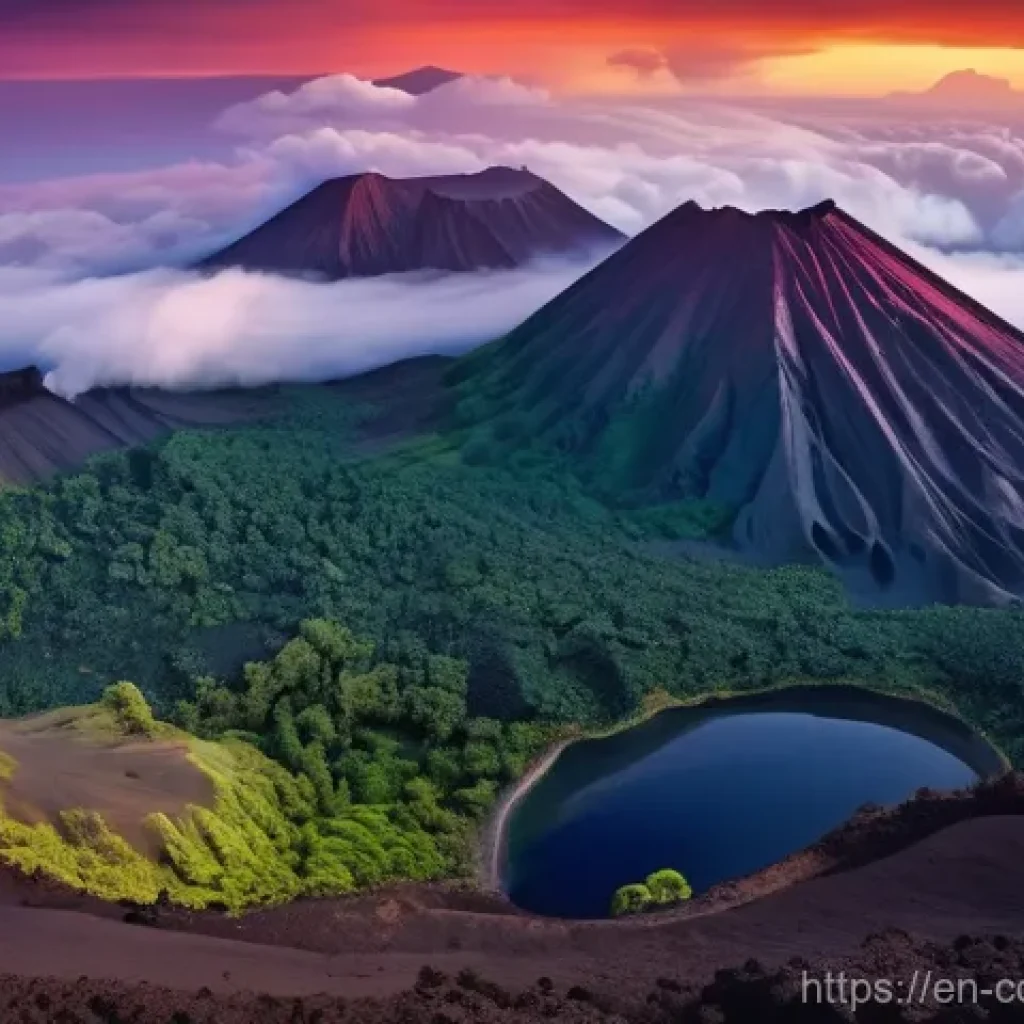
Stepping onto Grand Comore, you can’t help but feel the raw, untamed energy of a land shaped by fire. It’s a photographer’s dream, offering dramatic backdrops that are a stark contrast to the typical tropical paradise. I remember my first ascent towards Mount Karthala, the island’s imposing active volcano. The air gets cooler, the vegetation changes, and every turn reveals another breathtaking vista. The volcanic rock formations create textures you simply don’t find anywhere else, begging for a monochrome treatment to truly emphasize their rugged beauty. You’ll want to pack a sturdy tripod and be prepared for some challenging terrain, but trust me, the panoramic views from the higher elevations, especially at sunrise, are absolutely worth every single step. The way the early morning light paints the caldera rim in hues of purple and orange is just spellbinding, offering shots that will make your portfolio pop. It’s a truly humbling experience to stand on such powerful ground, and capturing that immensity through your lens feels like a profound connection to the earth itself.
Mount Karthala: A Photographer’s Challenging Ascent
The journey up Mount Karthala isn’t just a hike; it’s an expedition into the heart of Comorian geology, and honestly, it’s an absolute thrill for any adventure photographer. I’ve tackled many trails, but this one stands out. The terrain shifts from lush forests at the base to an almost lunar landscape closer to the summit, providing an incredible range of photographic opportunities. Think dramatic wide-angle shots of the vast caldera, intricate close-ups of unique volcanic rocks, and sweeping landscapes under ever-changing skies. I’d highly recommend aiming for the early morning light; the way it casts long shadows across the rugged slopes adds so much depth and drama to your photographs. Just be sure to bring layers, as the temperature can drop surprisingly quickly, and a good sturdy backpack for your gear. The sense of accomplishment when you finally reach a viewpoint, camera in hand, and gaze out over the vastness, is unparalleled. It truly feels like you’re standing on top of the world, capturing a piece of geological history.
Lac Salé: The Enchanting Salt Lake’s Mystique
Moving from the high peaks to the coastal wonders, Lac Salé, or the Salt Lake, on Grand Comore, offers a completely different, yet equally captivating, photographic subject. This natural phenomenon, with its vibrant, often emerald-green waters contrasting against dark volcanic rock, is steeped in local legends that only add to its mystique. When I first saw it, I was immediately struck by the otherworldly glow of the water. It’s a dream for reflection photography, especially on a calm day. The best time to visit for those magical, glassy reflections is either early morning or late afternoon when the light is softer and the winds tend to be calmer. I’ve found that using a polarizing filter here really helps cut through the glare and saturate those stunning greens and blues. Experiment with different angles – from the water’s edge to slightly higher ground – to capture its unique character. It’s not just a lake; it’s a living canvas, constantly shifting with the light, and a truly iconic shot for anyone visiting Comoros.
Unveiling Moheli’s Marine Marvels and Pristine Shores
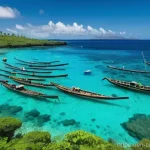
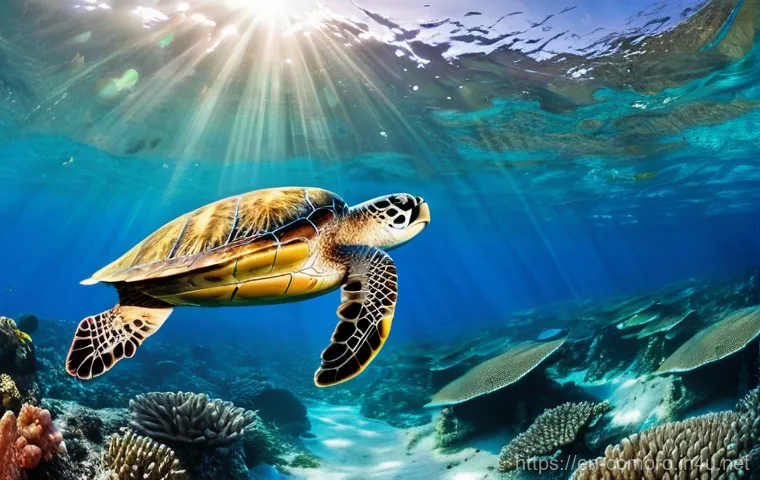
If Grand Comore is about raw, volcanic power, then Moheli is its tranquil, aquatic counterpart, a serene haven for marine life and those who love to photograph it. This island feels like a secret garden, especially when you venture into its protected waters. The Moheli Marine Park is nothing short of spectacular, a kaleidoscope of coral reefs teeming with life. I’ve spent countless hours with my underwater camera here, and every single dive or snorkel session reveals something new and utterly breathtaking. From majestic sea turtles gracefully gliding through the water to schools of vibrant fish flitting between corals, the opportunities for stunning shots are endless. But it’s not just below the surface; Moheli’s untouched beaches are postcard-perfect, with powdery white sand meeting waters so clear you can see your toes even at a significant depth. For landscape photographers, the secluded coves offer unparalleled serenity, perfect for capturing those sweeping vistas that truly convey the untouched beauty of this Indian Ocean jewel. It’s a place that whispers tranquility, inviting you to slow down and truly absorb its natural splendor.
Marine Park Magic: Underwater Wonders Await
Diving into the Moheli Marine Park is like entering another dimension, and as an avid underwater photographer, it’s one of my top picks globally. The sheer biodiversity here is astounding, and the health of the coral reefs is a testament to the local conservation efforts. I’ve had incredible encounters with green sea turtles – they’re so graceful and curious, often swimming quite close, making for incredible portrait opportunities. You’ll also spot manta rays, dolphins, and countless species of colorful reef fish. For underwater photography, strong lighting is crucial, so bring a good strobe or video light to bring out the true colors of the marine life. Respecting the environment is paramount; always maintain a safe distance and avoid touching anything. I find that waiting patiently for the perfect shot, rather than chasing after subjects, often yields the most natural and rewarding images. The visibility is often fantastic, allowing for wide-angle shots that capture the vastness of the underwater landscape, as well as macro shots of the intricate coral details.
Idyllic Beaches and Secluded Coves
Beyond the depths, Moheli’s coastline is a photographer’s dream, dotted with idyllic beaches and hidden coves that feel like your own private paradise. These aren’t your typical crowded tourist beaches; they’re often completely deserted, offering a sense of pristine solitude that’s hard to find elsewhere. I love setting up my tripod at sunrise or sunset to capture the soft light bathing the pristine sands and the gentle lapping waves. The texture of the fine, white sand against the vibrant turquoise water is a beautiful contrast. Drone photography here is particularly rewarding, providing an aerial perspective that truly showcases the untouched beauty of the coves, the meandering coastlines, and the lush green backdrop. Don’t forget to look for interesting natural elements like weathered driftwood or unique shells that can add foreground interest to your compositions. The tranquility of these spots makes them perfect for long-exposure photography, blurring the movement of the water into a silky smooth texture, emphasizing the peacefulness of the scene.
Anjouan: A Tapestry of History, Spices, and Verdant Vistas
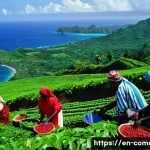
Anjouan, often referred to as the “Pearl of the Comoros,” is an island that truly ignites the senses, making it an incredible subject for photography. It’s a place where history whispers from ancient walls, the air is fragrant with exotic spices, and the landscape is a riot of verdant greens. My first visit felt like stepping back in time, wandering through the narrow, cobbled streets of Mutsamudu, its historic capital. Every corner holds a story, every face tells a tale. Beyond the bustling towns, the island unfurls into lush hillsides covered in plantations of ylang-ylang, cloves, and vanilla, creating a sensory overload that translates beautifully into vibrant, textural photographs. The steep, winding roads offer dramatic viewpoints of the island’s interior and coastline, especially as you climb towards the misty peaks. For a photographer, Anjouan is a feast, blending cultural richness with breathtaking natural beauty, providing endless opportunities to capture both the spirit of the people and the lushness of the land. It feels incredibly authentic, a genuine slice of island life that hasn’t been overly polished for tourists, and that’s precisely what makes it so captivating to document.
Mutsamudu’s Ancient Charms and Architectural Gems
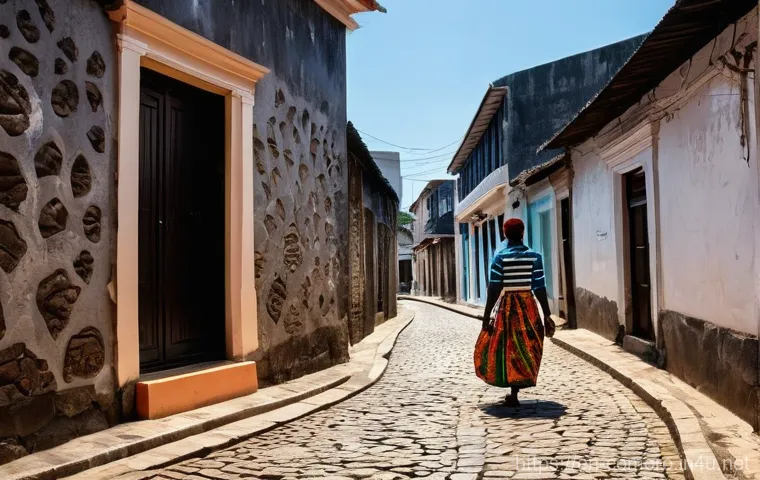
Mutsamudu, Anjouan’s capital, is a labyrinth of ancient alleys and crumbling fortresses that practically beg to be explored with a camera in hand. I found myself getting lost (in the best possible way) in its winding streets, discovering hidden doorways, intricately carved wooden balconies, and the soft light filtering through narrow passages. The architecture here tells tales of centuries of trade and influence, a beautiful fusion of Arab and Swahili styles. It’s a street photographer’s paradise. I loved capturing the candid moments of daily life – locals going about their routines, children playing, and vendors selling their wares in the bustling market squares. The key here is to be respectful and discreet, using a longer lens if you prefer to capture moments from a distance. The old port, with its traditional dhows and fishing boats, offers fantastic opportunities for capturing maritime life and the vibrant energy of the waterfront. Don’t rush; take your time to absorb the atmosphere, and you’ll find countless compelling compositions.
The Scent of Ylang-Ylang: Capturing the Spice Island’s Essence
One of Anjouan’s most iconic features, and a true delight for photographers, are its fragrant ylang-ylang plantations. The air literally hums with the sweet, heady scent, and the sight of these beautiful yellow flowers spread across the verdant hillsides is truly captivating. I love playing with depth of field here, focusing on a cluster of flowers in the foreground with the misty hills receding into the distance. It’s a wonderful opportunity to capture the island’s agricultural heritage and its unique sensory identity. Beyond ylang-ylang, you’ll find vanilla and clove plantations, each offering their own visual appeal – from the intricate vanilla orchids to the deep red of drying cloves. These natural elements provide rich textures and colors that can add a wonderful organic feel to your travel photography. Consider visiting a distillation plant if you have the chance; seeing the process adds another layer to the story you can tell through your images. It’s a chance to truly capture the “spice island” moniker in a visually compelling way.
Capturing the Vibrant Life of Moroni’s Bustling Markets
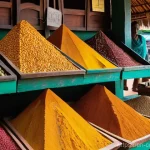
Moroni, the capital of Grand Comore, is a buzzing hive of activity, and its markets are a testament to the vibrant spirit of the Comorian people. For a photographer, these markets are an absolute goldmine, overflowing with colors, textures, and fascinating human interactions. I always tell people that if you want to truly feel the pulse of a place, go to its market. Here, you’ll find everything from pyramids of fresh produce and mountains of exotic spices to intricately woven baskets and vibrant fabrics. The energy is infectious, a cacophony of sounds and sights that provides endless opportunities for candid shots and compelling portraits. It’s a place where every corner presents a new story, a new face, a new burst of color just waiting to be captured. Be ready to move quickly, to anticipate moments, and most importantly, to engage with the friendly locals. The interactions you have while shooting here often become some of your most cherished memories from the trip, and those genuine connections shine through in your photographs. It’s truly a sensory overload, but in the best possible way for a visual storyteller.
A Kaleidoscope of Colors and Faces
The Moroni market is a masterclass in visual storytelling. From the moment you step in, you’re enveloped in a kaleidoscope of hues – the bright reds of chilies, the deep greens of tropical fruits, the rich blues and yellows of local textiles. This visual feast is further enriched by the incredible faces of the vendors and shoppers. I find myself drawn to capturing the genuine expressions, the focused concentration of a merchant arranging their goods, or the warm smiles shared between friends. When photographing people, I always make sure to ask for permission, or at least offer a friendly gesture and a smile before raising my camera. It makes a huge difference in getting those authentic, relaxed shots. Look for interesting compositions created by the arrangement of goods, the play of light and shadow, or the dynamic interactions between people. It’s a vibrant, living scene, and your camera will be working overtime trying to keep up with all the incredible moments unfolding around you. The sheer variety of human experience on display makes it utterly fascinating.
The Old Town’s Hidden Alleys and Historic Façades
Just a stone’s throw from the bustling market, Moroni’s old town, particularly the Medina, offers a quieter, more reflective photographic experience. Here, you can wander through narrow, winding alleys that feel like they’ve been plucked from another century. The architecture is charmingly aged, with coral stone buildings, intricate wooden doors, and small, shaded courtyards. It’s a perfect contrast to the market’s intensity, providing opportunities for architectural photography and capturing the serene beauty of everyday life unfolding at a slower pace. The light here can be particularly beautiful, filtering down into the narrow passages, creating dramatic contrasts and highlights. I love searching for unique details – a weathered door knocker, an old lantern, or a splash of bougainvillea against a pastel wall. These elements add character and depth to your visual narrative. It’s a place where you can truly slow down, observe, and capture the quiet elegance of Comorian heritage, telling a story through its timeless stones and shaded pathways.
Chasing Golden Hours: Sunset Spectacles Across the Archipelago
There’s something universally magical about a sunset, but in the Comoros Islands, this daily spectacle takes on an almost mythical quality. The way the Indian Ocean embraces the horizon, combined with the unique volcanic landscapes and traditional fishing boats, creates scenes that are pure photographic poetry. I’ve been lucky enough to witness countless sunsets around the world, but the Comorian golden hour is truly special. The colors seem richer, the light more painterly, and the atmosphere imbued with a peaceful reverence as the day draws to a close. Whether you’re on a secluded beach, perched on a volcanic outcrop, or watching from the deck of a dhow, the opportunity for dramatic, emotion-stirring photographs is immense. It’s the perfect time to experiment with silhouettes, long exposures, and capturing the interplay of light and shadow as the sky transforms into a canvas of fiery oranges, soft purples, and deep blues. This is where your efforts to rise early for sunrises or wait patiently for the day to fade truly pay off, gifting you with images that evoke a profound sense of wonder and tranquility.
Dramatic Silhouettes Against Fiery Skies
For capturing truly impactful sunset photos in Comoros, mastering the art of the silhouette is key. The dramatic outlines of coconut palms, traditional dhows returning to shore, or even the figures of locals fishing along the coast create powerful contrasts against the vibrant, fiery skies. I often position my subjects against the brightest part of the sky, underexposing slightly to ensure they become striking dark shapes. This technique allows the incredible colors of the sunset to really pop. Experiment with different angles and compositions; sometimes a low angle can make a small boat look monumental against the vastness of the sky. The volcanic peaks of the islands also make for incredible silhouettes, providing a rugged, natural frame for the celestial display. Don’t be afraid to wait a few minutes after the sun has dipped below the horizon; often, the most intense and beautiful colors emerge during twilight, offering a softer, more ethereal light for your dramatic compositions.
Reflections and Ripples: Coastal Sunset Perspectives
When the sun begins its descent over the Indian Ocean, the water itself becomes an integral part of the photographic tapestry, offering stunning reflections and dynamic ripples. I’ve spent many evenings on the Comorian beaches, focusing on how the changing light interacts with the water’s surface. A calm tide can create a perfect mirror, doubling the beauty of the sky, while gentle waves can add a beautiful, shimmering texture to your shots. Look for tidal pools or wet sand that can also act as reflective surfaces, enhancing the sense of depth and drama. Including traditional fishing boats gently bobbing in the water, or the outline of distant islands, can add a compelling focal point to your coastal sunset compositions. Using a wide-angle lens can help capture the expansive beauty of both the sky and its watery reflection, immersing the viewer in the scene. It’s a meditative process, watching the light change, and allowing the ocean to play its part in painting a breathtaking final image.
Beyond the Lens: Immersive Cultural Encounters
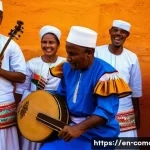
While the landscapes of Comoros are undeniably stunning, what truly elevates a photography trip here are the profound cultural encounters. It’s one thing to capture a beautiful scene, but it’s another entirely to capture the soul of a place through its people and traditions. I always strive to go beyond just pretty pictures, aiming to tell a deeper story, and the Comorian culture offers an incredible narrative to explore. From the rhythmic sounds of local music to the vibrant traditional attire worn during festivities, every interaction is an opportunity to learn, connect, and document. The warmth and hospitality of the Comorian people are truly remarkable, and engaging with them respectfully opens doors to incredible photographic moments. It’s about building trust, sharing smiles, and understanding that you’re a guest in their beautiful home. These aren’t just snapshots; they’re windows into a rich heritage, adding an invaluable layer of depth and authenticity to your travel photography portfolio. It’s these human connections that often make the most lasting impressions, both on your memory and in your images.
Festivities and Traditions: Documenting Local Life
If you’re fortunate enough to be in Comoros during a local festival or celebration, you’re in for an absolute treat, both culturally and photographically. These events are a vibrant display of Comorian heritage, filled with traditional music, energetic dances, and beautifully adorned participants. I’ve had the privilege of witnessing several local festivities, and the sheer joy and community spirit are palpable. When photographing such events, try to blend in as much as possible, observing respectfully from a distance before getting closer. Capturing the dynamic movement of dancers, the intricate details of traditional dress, and the expressive faces of musicians can create incredibly powerful and evocative images. A fast lens is often useful here to freeze action and capture moments in lower light conditions. These are the opportunities to tell a story about the heart and soul of the Comorian people, showcasing their rich traditions and infectious enthusiasm. Remember to be mindful of cultural sensitivities and always prioritize respect over getting the ‘perfect’ shot.
Faces of Comoros: Portrait Photography with Respect
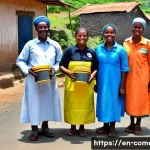
The faces of the Comorian people are incredibly expressive, each telling a story of resilience, warmth, and a deep connection to their island home. For portrait photographers, this is a truly rewarding destination. I’ve found that a genuine smile and a polite request (even with hand gestures if there’s a language barrier) often go a long way in getting permission for a photograph. The key is to approach with genuine interest and respect, not just as someone taking a picture. I love using a prime lens for portraits here, as it encourages you to get closer and interact more directly, capturing those intimate, authentic expressions. Look for interesting light – perhaps a sliver of sun filtering through a doorway, or the soft, diffused light under a tree. Capturing candid moments can also be incredibly powerful, showing people engrossed in their daily activities. These portraits aren’t just about the individual; they’re about conveying the spirit of the Comoros, adding a deeply human element to your photographic journey.
Navigating the Islands: Practical Tips for Photographers
Embarking on a photography adventure in the Comoros Islands requires a little bit of planning, but the rewards are absolutely immense. As someone who has navigated these beautiful islands with a camera in tow, I’ve picked up a few practical tips that can truly make a difference in your experience and, ultimately, in the quality of your photographs. It’s not just about what gear you bring, but how you prepare for the unique conditions and how you approach your journey with an open mind. From safeguarding your equipment against the elements to understanding the local pace of life, these insights are designed to help you maximize your photographic potential in this extraordinary destination. Trust me, a little foresight goes a long way in ensuring you come home with not just stunning images, but also incredible, hassle-free memories of your time in this hidden gem of the Indian Ocean. Every detail, from battery life to respectful interaction, plays a part in a successful and enriching photographic expedition.
Gear Essentials for the Comorian Adventure
When packing for a photography trip to Comoros, it’s all about versatility and protection. I always recommend a weather-sealed camera body; the humidity and occasional unexpected shower are real, and you don’t want your gear to suffer. Bring a range of lenses: a wide-angle for those epic landscapes and volcanic vistas, a telephoto for wildlife (especially on Moheli!) and capturing distant details, and a fast prime lens for compelling portraits in varying light. Batteries, and lots of them, are non-negotiable – charging opportunities can be scarce in more remote areas, so spare batteries and a portable power bank are lifesavers. A good quality dry bag or waterproof cover for your camera is essential, especially if you plan on boat trips or beach shoots. And don’t forget the small but mighty accessories: plenty of memory cards, lens cloths for wiping away spray or dust, and a polarizing filter to cut glare on the water and make those skies pop. If you’re considering drone photography, double-check local regulations beforehand, and be mindful of your surroundings.
Embracing the Pace: A Photographer’s Mindset
More than any specific piece of gear, the right mindset is your most valuable asset when photographing in Comoros. This isn’t a place to rush; it’s a place to savor. Embrace the slower pace of island life; things might not always happen on a strict schedule, and that’s part of its charm. Patience is a virtue, especially when waiting for the perfect light or for a candid moment to unfold. I’ve found that hiring a local guide, even for a day or two, can be incredibly beneficial. They not only know the best spots but also facilitate interactions with locals, opening up opportunities you might otherwise miss. Always be respectful of local customs and ask for permission before photographing people, especially children. Safety is also important; keep your gear secure and be aware of your surroundings, especially in crowded market areas. Most importantly, allow yourself to be immersed in the beauty and culture of the islands. Sometimes, the best shot isn’t the one you planned, but the unexpected moment you captured because you were truly present and open to the experience.
| Category | Recommended Item | Why You Need It |
|---|---|---|
| Camera Body | Weather-sealed DSLR/Mirrorless | Protection from dust, humidity, and occasional splashes, crucial for longevity. |
| Lenses | Wide-angle (16-35mm), Telephoto (70-200mm), Fast Prime (50mm/85mm) | Covers landscapes, wildlife, intimate portraits, and low-light conditions effectively. |
| Drone | Compact, high-resolution with good battery life | Offers breathtaking aerial views of volcanoes, coastlines, and pristine waters; remember to check local flight zones. |
| Protection | Dry bag, waterproof backpack, micro-fiber lens cloths, sensor cleaning kit | Essential for safeguarding sensitive electronics from sand, salt spray, and the humid climate. |
| Power | Multiple spare batteries (at least 3-4), portable power bank, universal travel adapter | Limited access to power outlets in remote areas and during island hopping adventures. |
| Accessories | Lightweight travel tripod, polarizing filter (CPL), neutral density (ND) filters, headlamp | For long exposures of waterfalls and sunsets, vivid sky colors, managing bright light, and early morning/night shoots. |
Concluding Thoughts
As I reflect on my journeys through the Comoros Islands, I’m struck by the profound sense of authenticity and untouched beauty that permeates this archipelago. It’s a destination that doesn’t just offer stunning photographs; it offers genuine experiences, deep connections with nature, and heartwarming encounters with its people. From the dramatic volcanic landscapes of Grand Comore to the serene marine sanctuaries of Moheli and the spice-scented hills of Anjouan, each island has carved its own unforgettable niche in my memory and my photographic portfolio. It’s a place that asks you to slow down, to truly observe, and to immerse yourself, and in return, it rewards you with images and memories that will last a lifetime. If you’re seeking an adventure that combines breathtaking visuals with a rich cultural tapestry, Comoros awaits, ready to enchant your lens and your soul.
Useful Information to Know
Here are a few nuggets of wisdom I’ve gathered from my time exploring the Comoros, hoping to make your photographic adventure as smooth and enriching as possible:
1. Cash is King: While you might find a few ATMs in Moroni, it’s always a good idea to carry enough Comorian Francs (KMF) for your daily expenses, especially when venturing out of the capital or to the other islands. Many smaller establishments and local vendors operate purely on cash, so be prepared.
2. Navigating the Archipelago: Inter-island travel is primarily by domestic flights, which are generally reliable but can sometimes experience delays – part of the island charm! Taxis are readily available on each island, but agree on a price before starting your journey. For more remote locations, local guides often have access to 4×4 vehicles.
3. Respecting Local Customs: Comoros is a predominantly Muslim nation, so dressing modestly, especially for women, is appreciated. Always greet people warmly (even a simple “Bonjour” or “Salaam alaikum” goes a long way) and, as I always emphasize, politely ask for permission before taking someone’s photograph. A genuine smile can bridge any language barrier.
4. Language Basics: French is widely spoken across the islands, a legacy of its colonial past. The local language, Comorian (Shikomori), is also prevalent. While you can often get by with French and English in tourist-facing areas, learning a few basic phrases in French can significantly enhance your interactions and open up more authentic experiences.
5. Stay Connected (or Disconnected): While SIM cards are available from local providers like Comores Telecom, don’t expect lightning-fast internet or ubiquitous coverage, especially outside of Moroni. I often found myself embracing the digital detox, allowing me to be more present and truly soak in the surroundings. Plan for intermittent connectivity and enjoy the break!
Key Takeaways
Embrace the Unseen and Unfold the Unexpected
My biggest takeaway from photographing the Comoros is that this isn’t a destination for a checklist traveler; it’s for the explorer who thrives on genuine discovery and raw beauty. What truly stands out is the profound blend of dramatic volcanic landscapes, teeming marine ecosystems, and a rich, living culture. I’ve found that the best shots often come from moments of quiet observation and respectful interaction, rather than rushing through a list of famous landmarks. The islands challenge you to adapt, to be patient, and to engage on a deeper level, and in return, they offer a photographic narrative unlike any other. Every turn, every conversation, every sunset paints a new stroke on the canvas of your memory, leading to images that resonate with authentic experience and a sense of wonder that mass tourism often strips away.
Preparation Meets Spontaneity: The Photographer’s Balance
For any photographer eyeing the Comoros, my advice is to balance meticulous preparation with an open heart for spontaneity. Pack wisely, focusing on versatile gear that can withstand the tropical elements, and never underestimate the value of extra batteries and robust protection for your camera. However, don’t let gear obsession overshadow the human element. The warmth of the Comorian people, their vibrant markets, and their deep-rooted traditions are just as compelling, if not more so, than the natural wonders. I’ve learned that sometimes putting the camera down for a moment and just being present enhances your understanding, which ultimately makes your photography more impactful. This balance between technical readiness and cultural immersion is what transforms a simple photo trip into an unforgettable journey, yielding images that truly tell a story of an extraordinary place and its welcoming spirit.
Frequently Asked Questions (FAQ) 📖
Q: What are the absolute must-photograph locations in the Comoros, and what should I keep in mind when shooting there?
A: Oh, the Comoros are a dream for any photographer! If you’re anything like me, you’ll be constantly looking for that next breathtaking shot. First up, you absolutely cannot miss Mount Karthala, the active volcano on Grande Comore.
I remember climbing parts of it, and the misty, almost otherworldly landscapes you get, especially at sunrise, are just phenomenal. The volcanic soil creates such unique textures, and when the light hits just right, it’s magic.
Bring a sturdy tripod for those low-light, dramatic shots. Then there’s Lac Salé, the stunning salt lake. Its vibrant green hue against the dark volcanic rock is truly mesmerizing.
I found that a wide-angle lens really helped capture the expansive beauty here. For something completely different, head to the beautiful beaches like Bouni Beach or Chomoni, where you might even spot some green sea turtles nesting if you’re lucky – just remember to keep your distance and use a telephoto lens to respect their space.
And don’t forget about the vibrant local markets in Moroni; the colors, the energy, the smiling faces – they offer an incredible glimpse into daily life, perfect for candid street photography.
My tip? Always be ready, because moments pass in a flash!
Q: Considering the unique environment, what kind of photography gear is essential for a trip to the Comoros, and what are some personal tips for packing?
A: Packing for the Comoros is all about being prepared for adventure! From my own experience, the humidity can be a real challenge, so humidity-absorbing packets and a weather-sealed camera body are lifesavers.
I always recommend bringing at least two camera bodies if you can – one for wide-angle landscape shots and another with a good telephoto lens (like a 70-200mm) for wildlife, distant features, or those beautiful candid portraits where you don’t want to intrude.
A versatile mid-range zoom (like a 24-70mm) is your workhorse, trust me. Don’t forget a drone if you have one! The aerial views of the islands, especially the lagoons and volcanic craters, are spectacular, but always check local regulations first.
Batteries, and plenty of them, are a must, along with a portable power bank, as consistent charging opportunities can be scarce outside of major towns.
For underwater shots, if you plan on snorkeling or diving in those crystal-clear waters, a reliable action camera or underwater housing for your DSLR/mirrorless is essential.
And here’s a personal gem of advice: pack a durable, waterproof backpack. It’ll protect your gear from sudden downpours and the general wear and tear of exploring off-the-beaten-path locations.
Q: Beyond the landscapes, how can I best capture the vibrant culture and people of Comoros respectfully and authentically through my lens?
A: This is where the true heart of Comoros reveals itself, and capturing it requires a little more than just technical skill – it demands genuine connection.
From what I’ve learned on my travels, the key is respect and interaction. Before you even think about pointing your camera, engage with people. Learn a few basic phrases in Comorian, like “Salama” (hello) or “Baraka” (thank you).
I’ve found that a simple smile and a polite gesture asking for permission often opens doors to incredible photo opportunities. Instead of just snapping a picture, take a moment to chat, even if it’s just with gestures.
You’ll be amazed at how welcoming and warm the Comorian people are. Focus on daily life: fishermen bringing in their catch, children playing, women preparing traditional meals, vibrant ceremonies if you’re lucky enough to encounter one.
These are the moments that truly tell a story. Try to capture the essence of their traditions, their clothing, and the genuine joy in their faces. I remember spending an afternoon at a fishing village, and after an hour of just observing and interacting, I was invited to photograph the communal meal – those images are among my most cherished because they represent a real bond, not just a fleeting shot.
Authenticity comes from respecting their space and their stories.