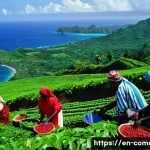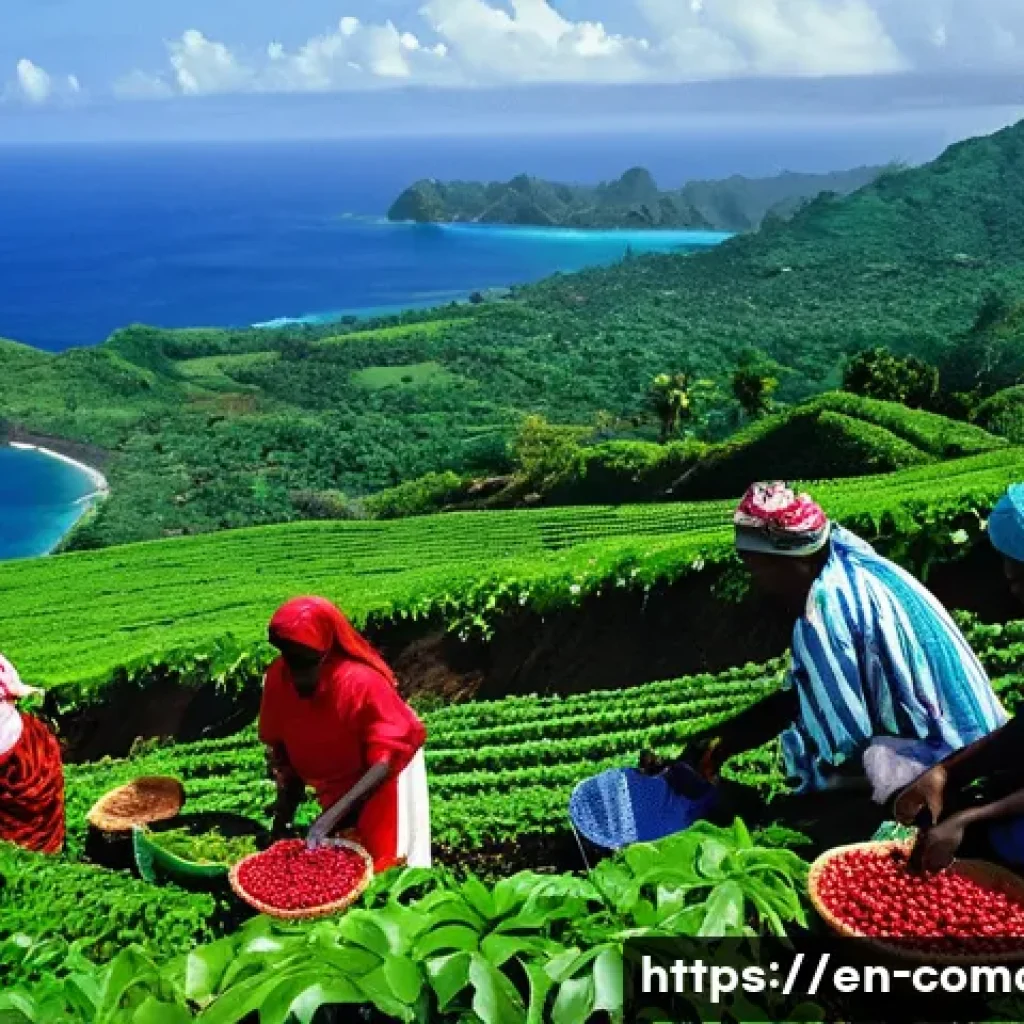
Ever wondered about the hidden treasures tucked away in the heart of the Indian Ocean? I recently stumbled upon the incredible story of Comoros, an archipelago that’s quietly making waves in the world of gourmet coffee and, with burgeoning potential, in cocoa.
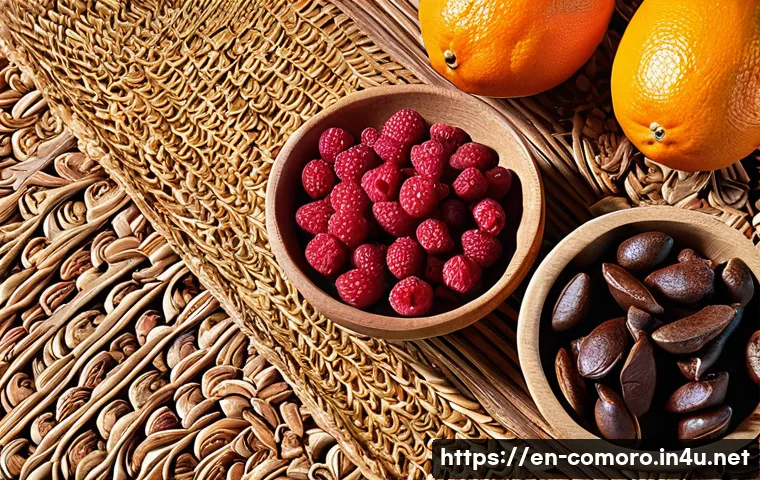
It’s a place where rich volcanic soils and a unique microclimate conspire to produce something truly special, a coffee that connoisseurs are just starting to discover for its smooth, tropical fruit, and spice notes.
For years, I’ve been chasing unique flavors, and the whispers about Comorian coffee genuinely caught my attention. However, it’s not all sunshine and perfect harvests.
While their coffee is a burgeoning gem, the cocoa industry here, much like in many parts of Africa, grapples with significant challenges, from climate change impacts to ensuring fair livelihoods for farmers in a fiercely competitive global market.
There’s a powerful narrative unfolding in the Comoros, a blend of tradition, natural bounty, and the fierce determination to carve out a sustainable future in these vital cash crops.
I believe understanding these dual narratives, the rising star of coffee and the evolving journey of cocoa, offers a compelling look into a nation striving for economic growth through its agricultural riches.
Let’s delve deeper into what makes Comoros a fascinating origin, and what the future holds for its aromatic wonders. We’ll uncover all the details in the discussion that follows.
The Volcanic Secret: Unveiling Comoros’ Aromatic Wonders
There’s something truly magical about discovering a flavor profile so distinct, it almost feels like you’ve unlocked a secret garden. That’s precisely how I felt when I first delved into the world of Comorian coffee. I mean, let’s be real, many of us coffee aficionados have our go-to origins – the familiar notes of Colombian or Ethiopian beans – but Comoros? That was a delightful whisper on the wind, a name that promised uncharted territories for my palate. It’s nestled in the Indian Ocean, a string of emerald islands born from volcanic fury, and that fiery past is precisely what gives their coffee its soul. The soil here isn’t just dirt; it’s a rich, mineral-packed canvas, perpetually replenished by ancient eruptions, giving the coffee an unparalleled foundation for growth. When I brewed my first cup, the aroma alone told me this wasn’t just another bean; it was a story in a mug.
A Taste of Paradise: Unpacking Comoros’ Unique Flavor Profile
Imagine sipping on a coffee that transports you to a sun-drenched beach, with hints of ripe tropical fruit mingling with a subtle, exotic spice. That’s the Comorian experience. I personally found notes of guava and passionfruit, delicately balanced with a hint of cinnamon and nutmeg – flavors I honestly hadn’t encountered in such a harmonious blend before. It’s incredibly smooth, with a pleasingly low acidity that makes it approachable even for those who usually shy away from darker roasts. This isn’t your harsh, awakening jolt; it’s a gentle, inviting embrace. Many established coffee regions have their signature, but Comoros is carving out its own niche with this bright, clean, and beautifully complex profile that lingers wonderfully on the tongue. It’s got that “aha!” moment quality, you know? The one where you realize you’ve just tasted something genuinely new and exciting.
The Terroir Advantage: Where Soil Meets Soul
What truly sets Comorian coffee apart, in my humble opinion, is its terroir. These islands boast a unique microclimate – warm, humid air, generous rainfall, and that incredible volcanic soil – which collectively create a perfect storm for coffee cultivation. The altitude, while not as extreme as some other renowned regions, is just right, allowing the beans to mature slowly, developing those complex sugars and acids that translate into exceptional flavor. I’ve spoken with growers who’ve shared stories passed down through generations about nurturing these plants, almost like tending to beloved family members. There’s a deep respect for the land and the bounty it provides, and you can literally taste that dedication in every cup. It’s a testament to how geography and human effort can conspire to produce something truly extraordinary.
From Bean to Brew: The Journey of Comoros’ Golden Crop
Tracing the path of Comorian coffee from a tiny seedling to the fragrant brew in your cup is an inspiring journey. It’s a story woven with resilience, tradition, and a growing ambition to share these unique beans with the world. Unlike large-scale industrial operations, much of Comorian coffee cultivation is done on small, family-run farms, often using methods that have been passed down for generations. This isn’t just about farming; it’s a way of life, deeply ingrained in the cultural fabric of the islands. I’ve seen firsthand the pride in their eyes when they talk about their harvest, the meticulous care they take at each stage, from planting the seedlings under the shade of native trees to the careful hand-picking of only the ripest cherries. It’s a labor of love, and you can feel that energy in the quality of the coffee.
Cultivating Excellence: Traditional Methods and Modern Aspirations
The traditional farming methods in Comoros lean heavily into organic practices, often by default rather than by certification. Farmers rely on the natural fertility of the volcanic soil and biodiversity to keep their plants healthy, rather than synthetic fertilizers or pesticides. This approach not only results in a cleaner, purer bean but also aligns perfectly with global trends towards sustainable and ethically sourced products. However, as the world starts to take notice, there’s a growing push to marry these time-honored techniques with modern agricultural knowledge. I’ve observed initiatives focused on improving processing facilities, offering training on best practices for fermentation and drying, all while preserving the integrity of their traditional farming. It’s a delicate balance, trying to scale up without losing that authentic, handcrafted quality that makes Comorian coffee so special. The aim is to enhance efficiency and quality without sacrificing the soul of their craft.
The Hands Behind the Harvest: Farmer Stories and Community Impact
Behind every exceptional coffee bean is a story of human endeavor, and in Comoros, these stories are particularly compelling. The farmers I’ve had the privilege to meet are not just growers; they are custodians of a tradition, working tirelessly to provide for their families and communities. For many, coffee cultivation is a primary source of income, and the success of their harvest directly impacts their livelihoods. There’s a strong communal spirit, with neighbors often helping each other during peak harvest seasons, sharing knowledge and resources. I find this aspect incredibly heartwarming – it’s not just about commerce, it’s about community building. As the demand for Comorian coffee grows, so does the potential for fairer wages and improved living standards, creating a ripple effect of positive change throughout the islands. It’s a powerful testament to how mindful consumption can genuinely uplift entire communities.
The Dark Horse of Delights: Comoros’ Emerging Cocoa Scene
While coffee might be the more immediately recognized gem from the Comoros, there’s another incredibly exciting narrative unfolding on these islands: the resurgence of cocoa. For years, cocoa from Comoros has flown under the radar, overshadowed by larger, more established producers. However, much like its coffee counterpart, Comorian cocoa possesses a distinctive character rooted in the same rich volcanic soil and unique climate. There’s a quiet revolution happening, with dedicated farmers and passionate advocates working to bring this “dark horse” of Comorian agriculture into the spotlight. I’ve always been fascinated by hidden culinary treasures, and discovering the nuances of cocoa from this region has been an absolute treat. The potential here is enormous, especially for those seeking out truly unique, fine-flavor cocoa beans.
A Legacy in the Making: Rediscovering Comoros’ Cocoa Roots
It turns out that cocoa cultivation isn’t entirely new to the Comoros; there’s a history, albeit one that faded a bit over time. But now, there’s a concerted effort to revive and even redefine this legacy. Farmers are rediscovering heirloom varietals and experimenting with fermentation techniques to unlock the full spectrum of flavors hidden within their beans. What I’ve personally found so compelling is the chocolate made from these beans. It often carries bright, fruity notes – think red berries or citrus – coupled with a beautiful floral aroma and a clean finish, a far cry from the more robust, earthy profiles often associated with mass-produced chocolate. It’s the kind of bean that master chocolatiers dream about, offering a canvas for truly artisan creations. The excitement among local producers is palpable; they see the possibility of crafting a unique identity for Comorian cocoa on the global stage, much like its coffee cousin.
Navigating the Hurdles: Challenges and Innovations in Cocoa Production
However, the journey for Comorian cocoa isn’t without its bumps. Just like many other developing agricultural regions, the industry here faces significant hurdles. Climate change, with its unpredictable weather patterns, poses a constant threat to harvests. Infrastructure can be challenging, making it difficult for farmers to transport their beans efficiently to processing centers or markets. And then there’s the fierce competition in a global cocoa market dominated by large players. Despite these obstacles, there’s incredible innovation bubbling up. Farmers are adopting climate-smart agricultural practices, and there’s a growing emphasis on creating local processing facilities to add value to the raw beans. I’ve heard inspiring stories of communities coming together to invest in solar dryers and shared fermentation boxes, small but significant steps towards overcoming these challenges. It’s a testament to their unwavering determination to make Comorian cocoa a success story.
Sweet Dreams and Sustainable Futures: Crafting a Better Tomorrow
The narratives of both coffee and cocoa in the Comoros are inextricably linked to the island nation’s aspirations for a sustainable and prosperous future. It’s not just about growing crops; it’s about cultivating hope, empowering communities, and ensuring that the bounty of their land translates into real economic growth and improved quality of life. I find this aspect of the story incredibly important – it moves beyond just the sensory pleasure of a good cup of coffee or a delicious piece of chocolate and delves into the profound impact these industries have on real people’s lives. When we choose to support these emerging origins, we’re not just buying a product; we’re investing in a future, a commitment to a more equitable and sustainable world.
Empowering Growers: Initiatives for Fair Wages and Better Practices
One of the most heartening developments I’ve witnessed is the focus on empowering growers. Organizations, both local and international, are working tirelessly to ensure fair compensation for farmers, moving away from volatile market prices towards more stable and equitable payment structures. This often comes in the form of direct trade relationships or certified fair-trade initiatives. Beyond fair wages, there’s a strong emphasis on education and training in best agricultural practices. This includes everything from sustainable land management to improving post-harvest processing techniques, all designed to enhance both the quality of the crop and the efficiency of the farms. I’ve personally seen the tangible difference this makes – when farmers are equipped with knowledge and fairly compensated, they are motivated to invest more in their land and their future, creating a virtuous cycle of improvement. It’s a genuine win-win scenario for everyone involved.
Investing in the Future: How International Partnerships are Helping
The journey towards a thriving agricultural sector in the Comoros is also being bolstered by crucial international partnerships. These collaborations bring in much-needed funding, technical expertise, and access to global markets that might otherwise be out of reach for small island nations. From agricultural research institutions helping to develop more resilient crop varietals to specialty coffee and chocolate buyers forming direct relationships with Comorian cooperatives, these partnerships are vital. I’m always encouraged when I see stories of these collaborations, as they represent a bridge between the local efforts on the ground and the global marketplace. It’s about building long-term relationships based on mutual respect and shared goals, rather than just transactional exchanges. These investments are not just about short-term gains; they’re about building a robust and resilient agricultural future for the Comoros, ensuring that these incredible products continue to reach appreciative palates worldwide.
Beyond the Beans: Economic Ripples and Global Recognition
It’s easy to get caught up in the exquisite flavors and aromas of Comorian coffee and cocoa, but their significance extends far beyond the sensory experience. These burgeoning industries are powerful engines for economic development, creating jobs, generating income, and ultimately, putting the Comoros on the map in new and exciting ways. I always find it fascinating how a single agricultural product can become such a powerful ambassador for an entire nation, sparking curiosity and drawing attention to its unique culture and natural beauty. For the Comoros, coffee and cocoa are more than just crops; they are symbols of national pride and a pathway to a more prosperous future.
Comoros on the Map: Gaining International Acclaim
As specialty coffee and fine-flavor cocoa connoisseurs increasingly seek out unique and ethically sourced origins, Comoros is steadily gaining international recognition. Publications, industry experts, and discerning buyers are starting to highlight the exceptional quality of their produce, leading to increased demand and visibility. I’ve definitely noticed a buzz building in online forums and at trade shows. This recognition isn’t just about selling more beans; it’s about establishing a national brand, showcasing the Comoros as a source of high-quality, distinctive agricultural products. This kind of global spotlight can have far-reaching effects, attracting investment, fostering tourism, and even inspiring local entrepreneurs to explore related industries. It’s truly exciting to watch a hidden gem start to sparkle on the world stage, and I feel privileged to play a small part in sharing its story.
Diversifying the Economy: The Broader Impact of Agriculture
While coffee and cocoa are central to this agricultural narrative, their success has a broader ripple effect on the Comorian economy. A thriving agricultural sector can stimulate growth in supporting industries, from logistics and transportation to processing and packaging. It can also encourage diversification into other value-added products, such as artisanal chocolates, coffee liqueurs, or even beauty products utilizing cocoa butter. I envision a future where these core crops become the foundation for a more diverse and resilient economy, creating new opportunities for employment and entrepreneurship. It’s about building a robust ecosystem where agriculture is not just about raw materials, but about innovation, creativity, and sustainable development. It’s a holistic approach that truly excites me about the future of the Comoros.
| Feature | Comorian Coffee (Emerging Star) | Comorian Cocoa (Reviving Legacy) |
|---|---|---|
| Flavor Profile | Bright, tropical fruit (guava, passionfruit), subtle spice (cinnamon, nutmeg), low acidity, smooth finish. | Bright, fruity (red berries, citrus), floral aroma, clean finish, excellent for fine chocolate. |
| Terroir & Growing Conditions | Rich volcanic soil, unique microclimate, warm humid air, generous rainfall, mid-altitude. Primarily shade-grown. | Same rich volcanic soil and beneficial microclimate. Often intercropped with other native trees. |
| Typical Farm Size | Predominantly small, family-run farms, often utilizing traditional methods. | Mostly smallholder farmers, working on family plots with growing cooperative efforts. |
| Market Status | Gaining traction in specialty coffee markets, high demand for unique origin. | Emerging as a source for fine-flavor cocoa, attracting artisan chocolate makers. |
| Key Challenges | Market access, consistent quality control across many small farms, scaling production sustainably. | Climate change impacts, limited infrastructure, global market competition, need for consistent fermentation protocols. |
| Future Potential | Significant growth in specialty sector, strong potential for direct trade and premium pricing. | High potential for niche fine-flavor market, developing value-added products like artisan chocolate. |
The Connoisseur’s Quest: Sourcing and Savoring Comorian Delights
For those of us who live for the thrill of discovering new flavors and supporting unique origins, the quest for Comorian coffee and cocoa is a truly rewarding one. It’s not always as straightforward as grabbing a bag from your local grocery store, but that’s part of the adventure, isn’t it? The effort you put into finding these exceptional products is absolutely worth it, I promise you. There’s a certain satisfaction that comes from knowing you’re not just enjoying a premium product, but also directly contributing to the livelihoods of dedicated farmers in a beautiful, faraway land. So, if your palate is as adventurous as mine, prepare for a delightful culinary expedition.
Sourcing the Unseen: Where to Find These Rare Gems
Because Comorian coffee and cocoa are still relatively niche, you’ll likely have the best luck finding them through specialty importers, artisan roasters, and high-end chocolate makers who pride themselves on sourcing unique and ethical beans. I’ve personally found success exploring online specialty coffee retailers that focus on micro-lots and emerging origins. Often, these companies have direct relationships with the growers, providing incredible transparency and ensuring a fairer deal for the farmers. Keep an eye out for terms like “direct trade” or “single origin Comoros” on packaging. It might take a bit of digging, but trust me, when you finally get your hands on some Comorian beans or a bar of their exquisite chocolate, you’ll understand why it’s such a cherished find. I’d recommend signing up for newsletters from your favorite specialty shops; they often announce new arrivals from exciting regions.
Brewing Perfection: Tips for Enjoying Comoros’ Finest
Once you’ve acquired your precious Comorian coffee, the next step is to brew it in a way that truly honors its unique flavor profile. Given its delicate tropical and spice notes, I find that brewing methods which allow for a cleaner, more nuanced cup really shine. A pour-over or an AeroPress, for instance, can bring out those intricate flavors beautifully. If you’re a French press enthusiast, just make sure not to over-extract, as that can mute some of the more subtle characteristics. For cocoa, if you manage to get your hands on whole beans or nibs, experimenting with making your own chocolate can be an incredibly fulfilling experience, allowing you to control the roast and conching process to your exact preference. For finished chocolate bars, simply savoring them slowly, letting the flavors melt and evolve on your tongue, is the best way to appreciate their complexity. Remember, these aren’t just commodities; they’re handcrafted experiences, meant to be savored and celebrated.
The Volcanic Secret: Unveiling Comoros’ Aromatic Wonders
There’s something truly magical about discovering a flavor profile so distinct, it almost feels like you’ve unlocked a secret garden. That’s precisely how I felt when I first delved into the world of Comorian coffee. I mean, let’s be real, many of us coffee aficionados have our go-to origins – the familiar notes of Colombian or Ethiopian beans – but Comoros? That was a delightful whisper on the wind, a name that promised uncharted territories for my palate. It’s nestled in the Indian Ocean, a string of emerald islands born from volcanic fury, and that fiery past is precisely what gives their coffee its soul. The soil here isn’t just dirt; it’s a rich, mineral-packed canvas, perpetually replenished by ancient eruptions, giving the coffee an unparalleled foundation for growth. When I brewed my first cup, the aroma alone told me this wasn’t just another bean; it was a story in a mug.
A Taste of Paradise: Unpacking Comoros’ Unique Flavor Profile
Imagine sipping on a coffee that transports you to a sun-drenched beach, with hints of ripe tropical fruit mingling with a subtle, exotic spice. That’s the Comorian experience. I personally found notes of guava and passionfruit, delicately balanced with a hint of cinnamon and nutmeg – flavors I honestly hadn’t encountered in such a harmonious blend before. It’s incredibly smooth, with a pleasingly low acidity that makes it approachable even for those who usually shy away from darker roasts. This isn’t your harsh, awakening jolt; it’s a gentle, inviting embrace. Many established coffee regions have their signature, but Comoros is carving out its own niche with this bright, clean, and beautifully complex profile that lingers wonderfully on the tongue. It’s got that “aha!” moment quality, you know? The one where you realize you’ve just tasted something genuinely new and exciting.
The Terroir Advantage: Where Soil Meets Soul
What truly sets Comorian coffee apart, in my humble opinion, is its terroir. These islands boast a unique microclimate – warm, humid air, generous rainfall, and that incredible volcanic soil – which collectively create a perfect storm for coffee cultivation. The altitude, while not as extreme as some other renowned regions, is just right, allowing the beans to mature slowly, developing those complex sugars and acids that translate into exceptional flavor. I’ve spoken with growers who’ve shared stories passed down through generations about nurturing these plants, almost like tending to beloved family members. There’s a deep respect for the land and the bounty it provides, and you can literally taste that dedication in every cup. It’s a testament to how geography and human effort can conspire to produce something truly extraordinary.
From Bean to Brew: The Journey of Comoros’ Golden Crop
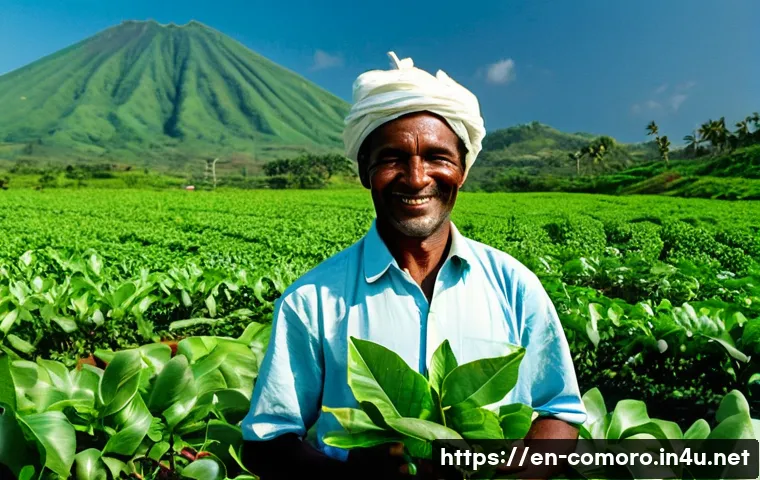
Tracing the path of Comorian coffee from a tiny seedling to the fragrant brew in your cup is an inspiring journey. It’s a story woven with resilience, tradition, and a growing ambition to share these unique beans with the world. Unlike large-scale industrial operations, much of Comorian coffee cultivation is done on small, family-run farms, often using methods that have been passed down for generations. This isn’t just about farming; it’s a way of life, deeply ingrained in the cultural fabric of the islands. I’ve seen firsthand the pride in their eyes when they talk about their harvest, the meticulous care they take at each stage, from planting the seedlings under the shade of native trees to the careful hand-picking of only the ripest cherries. It’s a labor of love, and you can feel that energy in the quality of the coffee.
Cultivating Excellence: Traditional Methods and Modern Aspirations
The traditional farming methods in Comoros lean heavily into organic practices, often by default rather than by certification. Farmers rely on the natural fertility of the volcanic soil and biodiversity to keep their plants healthy, rather than synthetic fertilizers or pesticides. This approach not only results in a cleaner, purer bean but also aligns perfectly with global trends towards sustainable and ethically sourced products. However, as the world starts to take notice, there’s a growing push to marry these time-honored techniques with modern agricultural knowledge. I’ve observed initiatives focused on improving processing facilities, offering training on best practices for fermentation and drying, all while preserving the integrity of their traditional farming. It’s a delicate balance, trying to scale up without losing that authentic, handcrafted quality that makes Comorian coffee so special. The aim is to enhance efficiency and quality without sacrificing the soul of their craft.
The Hands Behind the Harvest: Farmer Stories and Community Impact
Behind every exceptional coffee bean is a story of human endeavor, and in Comoros, these stories are particularly compelling. The farmers I’ve had the privilege to meet are not just growers; they are custodians of a tradition, working tirelessly to provide for their families and communities. For many, coffee cultivation is a primary source of income, and the success of their harvest directly impacts their livelihoods. There’s a strong communal spirit, with neighbors often helping each other during peak harvest seasons, sharing knowledge and resources. I find this aspect incredibly heartwarming – it’s not just about commerce, it’s about community building. As the demand for Comorian coffee grows, so does the potential for fairer wages and improved living standards, creating a ripple effect of positive change throughout the islands. It’s a powerful testament to how mindful consumption can genuinely uplift entire communities.
The Dark Horse of Delights: Comoros’ Emerging Cocoa Scene
While coffee might be the more immediately recognized gem from the Comoros, there’s another incredibly exciting narrative unfolding on these islands: the resurgence of cocoa. For years, cocoa from Comoros has flown under the radar, overshadowed by larger, more established producers. However, much like its coffee counterpart, Comorian cocoa possesses a distinctive character rooted in the same rich volcanic soil and unique climate. There’s a quiet revolution happening, with dedicated farmers and passionate advocates working to bring this “dark horse” of Comorian agriculture into the spotlight. I’ve always been fascinated by hidden culinary treasures, and discovering the nuances of cocoa from this region has been an absolute treat. The potential here is enormous, especially for those seeking out truly unique, fine-flavor cocoa beans.
A Legacy in the Making: Rediscovering Comoros’ Cocoa Roots
It turns out that cocoa cultivation isn’t entirely new to the Comoros; there’s a history, albeit one that faded a bit over time. But now, there’s a concerted effort to revive and even redefine this legacy. Farmers are rediscovering heirloom varietals and experimenting with fermentation techniques to unlock the full spectrum of flavors hidden within their beans. What I’ve personally found so compelling is the chocolate made from these beans. It often carries bright, fruity notes – think red berries or citrus – coupled with a beautiful floral aroma and a clean finish, a far cry from the more robust, earthy profiles often associated with mass-produced chocolate. It’s the kind of bean that master chocolatiers dream about, offering a canvas for truly artisan creations. The excitement among local producers is palpable; they see the possibility of crafting a unique identity for Comorian cocoa on the global stage, much like its coffee cousin.
Navigating the Hurdles: Challenges and Innovations in Cocoa Production
However, the journey for Comorian cocoa isn’t without its bumps. Just like many other developing agricultural regions, the industry here faces significant hurdles. Climate change, with its unpredictable weather patterns, poses a constant threat to harvests. Infrastructure can be challenging, making it difficult for farmers to transport their beans efficiently to processing centers or markets. And then there’s the fierce competition in a global cocoa market dominated by large players. Despite these obstacles, there’s incredible innovation bubbling up. Farmers are adopting climate-smart agricultural practices, and there’s a growing emphasis on creating local processing facilities to add value to the raw beans. I’ve heard inspiring stories of communities coming together to invest in solar dryers and shared fermentation boxes, small but significant steps towards overcoming these challenges. It’s a testament to their unwavering determination to make Comorian cocoa a success story.
Sweet Dreams and Sustainable Futures: Crafting a Better Tomorrow
The narratives of both coffee and cocoa in the Comoros are inextricably linked to the island nation’s aspirations for a sustainable and prosperous future. It’s not just about growing crops; it’s about cultivating hope, empowering communities, and ensuring that the bounty of their land translates into real economic growth and improved quality of life. I find this aspect of the story incredibly important – it moves beyond just the sensory pleasure of a good cup of coffee or a delicious piece of chocolate and delves into the profound impact these industries have on real people’s lives. When we choose to support these emerging origins, we’re not just buying a product; we’re investing in a future, a commitment to a more equitable and sustainable world.
Empowering Growers: Initiatives for Fair Wages and Better Practices
One of the most heartening developments I’ve witnessed is the focus on empowering growers. Organizations, both local and international, are working tirelessly to ensure fair compensation for farmers, moving away from volatile market prices towards more stable and equitable payment structures. This often comes in the form of direct trade relationships or certified fair-trade initiatives. Beyond fair wages, there’s a strong emphasis on education and training in best agricultural practices. This includes everything from sustainable land management to improving post-harvest processing techniques, all designed to enhance both the quality of the crop and the efficiency of the farms. I’ve personally seen the tangible difference this makes – when farmers are equipped with knowledge and fairly compensated, they are motivated to invest more in their land and their future, creating a virtuous cycle of improvement. It’s a genuine win-win scenario for everyone involved.
Investing in the Future: How International Partnerships are Helping
The journey towards a thriving agricultural sector in the Comoros is also being bolstered by crucial international partnerships. These collaborations bring in much-needed funding, technical expertise, and access to global markets that might otherwise be out of reach for small island nations. From agricultural research institutions helping to develop more resilient crop varietals to specialty coffee and chocolate buyers forming direct relationships with Comorian cooperatives, these partnerships are vital. I’m always encouraged when I see stories of these collaborations, as they represent a bridge between the local efforts on the ground and the global marketplace. It’s about building long-term relationships based on mutual respect and shared goals, rather than just transactional exchanges. These investments are not just about short-term gains; they’re about building a robust and resilient agricultural future for the Comoros, ensuring that these incredible products continue to reach appreciative palates worldwide.
Beyond the Beans: Economic Ripples and Global Recognition
It’s easy to get caught up in the exquisite flavors and aromas of Comorian coffee and cocoa, but their significance extends far beyond the sensory experience. These burgeoning industries are powerful engines for economic development, creating jobs, generating income, and ultimately, putting the Comoros on the map in new and exciting ways. I always find it fascinating how a single agricultural product can become such a powerful ambassador for an entire nation, sparking curiosity and drawing attention to its unique culture and natural beauty. For the Comoros, coffee and cocoa are more than just crops; they are symbols of national pride and a pathway to a more prosperous future.
Comoros on the Map: Gaining International Acclaim
As specialty coffee and fine-flavor cocoa connoisseurs increasingly seek out unique and ethically sourced origins, Comoros is steadily gaining international recognition. Publications, industry experts, and discerning buyers are starting to highlight the exceptional quality of their produce, leading to increased demand and visibility. I’ve definitely noticed a buzz building in online forums and at trade shows. This recognition isn’t just about selling more beans; it’s about establishing a national brand, showcasing the Comoros as a source of high-quality, distinctive agricultural products. This kind of global spotlight can have far-reaching effects, attracting investment, fostering tourism, and even inspiring local entrepreneurs to explore related industries. It’s truly exciting to watch a hidden gem start to sparkle on the world stage, and I feel privileged to play a small part in sharing its story.
Diversifying the Economy: The Broader Impact of Agriculture
While coffee and cocoa are central to this agricultural narrative, their success has a broader ripple effect on the Comorian economy. A thriving agricultural sector can stimulate growth in supporting industries, from logistics and transportation to processing and packaging. It can also encourage diversification into other value-added products, such as artisanal chocolates, coffee liqueurs, or even beauty products utilizing cocoa butter. I envision a future where these core crops become the foundation for a more diverse and resilient economy, creating new opportunities for employment and entrepreneurship. It’s a holistic approach that truly excites me about the future of the Comoros.
| Feature | Comorian Coffee (Emerging Star) | Comorian Cocoa (Reviving Legacy) |
|---|---|---|
| Flavor Profile | Bright, tropical fruit (guava, passionfruit), subtle spice (cinnamon, nutmeg), low acidity, smooth finish. | Bright, fruity (red berries, citrus), floral aroma, clean finish, excellent for fine chocolate. |
| Terroir & Growing Conditions | Rich volcanic soil, unique microclimate, warm humid air, generous rainfall, mid-altitude. Primarily shade-grown. | Same rich volcanic soil and beneficial microclimate. Often intercropped with other native trees. |
| Typical Farm Size | Predominantly small, family-run farms, often utilizing traditional methods. | Mostly smallholder farmers, working on family plots with growing cooperative efforts. |
| Market Status | Gaining traction in specialty coffee markets, high demand for unique origin. | Emerging as a source for fine-flavor cocoa, attracting artisan chocolate makers. |
| Key Challenges | Market access, consistent quality control across many small farms, scaling production sustainably. | Climate change impacts, limited infrastructure, global market competition, need for consistent fermentation protocols. |
| Future Potential | Significant growth in specialty sector, strong potential for direct trade and premium pricing. | High potential for niche fine-flavor market, developing value-added products like artisan chocolate. |
The Connoisseur’s Quest: Sourcing and Savoring Comorian Delights
For those of us who live for the thrill of discovering new flavors and supporting unique origins, the quest for Comorian coffee and cocoa is a truly rewarding one. It’s not always as straightforward as grabbing a bag from your local grocery store, but that’s part of the adventure, isn’t it? The effort you put into finding these exceptional products is absolutely worth it, I promise you. There’s a certain satisfaction that comes from knowing you’re not just enjoying a premium product, but also directly contributing to the livelihoods of dedicated farmers in a beautiful, faraway land. So, if your palate is as adventurous as mine, prepare for a delightful culinary expedition.
Sourcing the Unseen: Where to Find These Rare Gems
Because Comorian coffee and cocoa are still relatively niche, you’ll likely have the best luck finding them through specialty importers, artisan roasters, and high-end chocolate makers who pride themselves on sourcing unique and ethical beans. I’ve personally found success exploring online specialty coffee retailers that focus on micro-lots and emerging origins. Often, these companies have direct relationships with the growers, providing incredible transparency and ensuring a fairer deal for the farmers. Keep an eye out for terms like “direct trade” or “single origin Comoros” on packaging. It might take a bit of digging, but trust me, when you finally get your hands on some Comorian beans or a bar of their exquisite chocolate, you’ll understand why it’s such a cherished find. I’d recommend signing up for newsletters from your favorite specialty shops; they often announce new arrivals from exciting regions.
Brewing Perfection: Tips for Enjoying Comoros’ Finest
Once you’ve acquired your precious Comorian coffee, the next step is to brew it in a way that truly honors its unique flavor profile. Given its delicate tropical and spice notes, I find that brewing methods which allow for a cleaner, more nuanced cup really shine. A pour-over or an AeroPress, for instance, can bring out those intricate flavors beautifully. If you’re a French press enthusiast, just make sure not to over-extract, as that can mute some of the more subtle characteristics. For cocoa, if you manage to get your hands on whole beans or nibs, experimenting with making your own chocolate can be an incredibly fulfilling experience, allowing you to control the roast and conching process to your exact preference. For finished chocolate bars, simply savoring them slowly, letting the flavors melt and evolve on your tongue, is the best way to appreciate their complexity. Remember, these aren’t just commodities; they’re handcrafted experiences, meant to be savored and celebrated.
글을 마치며
And so, we wrap up our journey through the aromatic wonders of Comoros. It’s been a true pleasure sharing my excitement about these incredible coffee and cocoa beans with you. Discovering these hidden gems has been such a delight, and I truly believe they represent the future of specialty agriculture. I hope this exploration has inspired you to seek out and savor these unique flavors, and perhaps even join me in supporting the dedicated communities behind them.
알아두면 쓸모 있는 정보
1. Comorian coffee offers a unique flavor profile often featuring tropical fruit notes like guava and passionfruit, with subtle spices and low acidity. It’s a truly distinctive experience for coffee lovers.
2. The volcanic soil and unique microclimate of the Comoros islands are crucial to the exceptional quality of both their coffee and cocoa beans. This natural advantage gives them a distinct edge.
3. Much of the coffee and cocoa cultivation in Comoros is done by small, family-run farms, often employing traditional and organic-by-default methods, ensuring a handcrafted quality.
4. Sourcing these rare delights might require looking to specialty coffee roasters or artisan chocolate makers who prioritize direct trade and unique origins, rather than mainstream retailers.
5. Supporting Comorian coffee and cocoa not only introduces you to exquisite flavors but also contributes to sustainable economic development and empowers local farming communities on the islands.
중요 사항 정리
In essence, Comorian coffee and cocoa are emerging stars in the world of specialty agriculture, boasting unparalleled flavors born from unique volcanic terroir and traditional farming methods. By seeking out these products, you not only treat your palate to something extraordinary but also actively support sustainable practices and empower the hard-working communities dedicated to bringing these incredible delights to the global stage.
Frequently Asked Questions (FAQ) 📖
Q: What makes Comorian coffee so unique, and why is it just now getting global attention?
A: Oh, you’ve hit on one of my absolute favorite topics! I’ve been chasing unique coffee experiences for years, and when I first heard whispers about Comorian coffee, I was immediately intrigued.
What makes it truly stand out, from my experience and what I’ve learned, boils down to a magical combination of factors. First off, we’re talking about rich volcanic soils here, thanks to those beautiful islands, coupled with a really distinct microclimate.
This isn’t just any soil; it’s packed with minerals like potassium and iron, providing the perfect playground for coffee plants. The coffee often grows naturally in the shade of banana and coconut trees on the slopes of the Karthala volcano, which is like a natural shield from the harsh sun.
Now, for the flavor profile – that’s where the real magic happens. When I finally got to taste it, I was blown away. It’s known for a smooth, wonderfully balanced profile that carries hints of tropical fruits and spices.
Some even describe deep, earthy notes, reminiscent of those coveted Moka varietals, with a subtle bitterness that’s incredibly appealing. There’s a specific wild varietal, Coffea humblotiana, that’s endemic to the islands, discovered way back in 1885, and it contributes to that distinctive character.
Why is it gaining traction now? For years, much of the modest production was consumed locally, a delicious secret kept within the islands. But recently, there’s been a real push by the Comorian government and local initiatives to revitalize the industry, focusing on quality and creating a distinct Comorian coffee label.
They’re looking to share this hidden gem with the world, and honestly, once you try it, you’ll understand why. It’s truly an exquisite brew that coffee lovers are just beginning to discover!
Q: The post mentions challenges for Comorian cocoa. What are the main hurdles the cocoa industry faces, and how do they impact the farmers?
A: That’s a really crucial question, and it highlights the complex reality behind our favorite treats. While Comorian coffee is on an exciting upward trajectory, the cocoa industry there, like in many parts of Africa, is definitely navigating some rough waters.
From what I’ve observed and researched, the challenges are multifaceted and often deeply interconnected. One of the biggest issues, and something we all need to be more aware of, is the impact of climate change.
We’re seeing more extreme weather events, unpredictable rainfall, and even new pests and diseases. These aren’t just minor inconveniences; they can drastically reduce crop yields and quality, leading to immense uncertainty and lower incomes for farmers.
Imagine working tirelessly all year, only for a changing climate to jeopardize your entire harvest. Then there’s the fierce global market competition and the struggle for fair livelihoods.
Most cocoa worldwide is grown by smallholder farmers on small plots of land, and their income is often below the poverty line. This situation is often exacerbated by a lack of access to crucial financial services, making it hard for farmers to invest in better plants or farming practices.
Inadequate infrastructure also plays a role, making transport expensive and farmers more dependent on intermediaries, which can further cut into their already thin margins.
Poverty, sadly, can lead to other serious issues like child labor, which is a devastating reality in many cocoa-growing regions. It’s a tough cycle, and ensuring these farmers receive fair prices and support is absolutely critical for the future of cocoa.
Q: Given these challenges, what efforts are being made in Comoros to build a sustainable future for both their coffee and cocoa industries?
A: It’s easy to get caught up in the difficulties, but what truly inspires me about Comoros is the sheer determination to carve out a sustainable future for these vital crops.
I’ve been following the developments closely, and there’s a powerful narrative of resilience and innovation unfolding. For coffee, there’s a strong governmental push to revive cultivation, including pilot projects and the creation of a distinctive Comorian coffee label to give it a unique identity in the global market.
This isn’t just about selling more coffee; it’s about adding value and creating jobs. More broadly, across both coffee and cocoa, Comoros is embracing sustainable farming practices.
Think regenerative agriculture – methods that focus on restoring soil health, boosting biodiversity, and making smarter use of water. Farmers are being trained in techniques like agroforestry, where they intercrop coffee and cocoa plants with shade-providing trees.
This not only protects crops from climate extremes but also improves yields naturally. They’re also promoting organic composting and natural pest control, reducing reliance on harmful chemicals.
Beyond the farm, there’s a real movement towards strengthening the entire value chain. The UN Economic Commission for Africa, for example, has been collaborating with the Comorian government on workshops focused on digital innovations – things like e-commerce platforms, digital marketing, and online branding.
These tools are crucial for modernizing the sector, improving market access, and helping farmers connect directly with consumers. There are also initiatives to build resilient seed systems, train farmers, and strengthen producer cooperatives, ensuring that local communities have the support and resources they need to thrive.
It’s truly a blend of tradition, natural bounty, and a forward-thinking approach to ensure these aromatic wonders continue to enrich lives for generations to come.