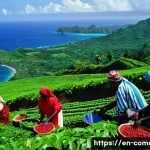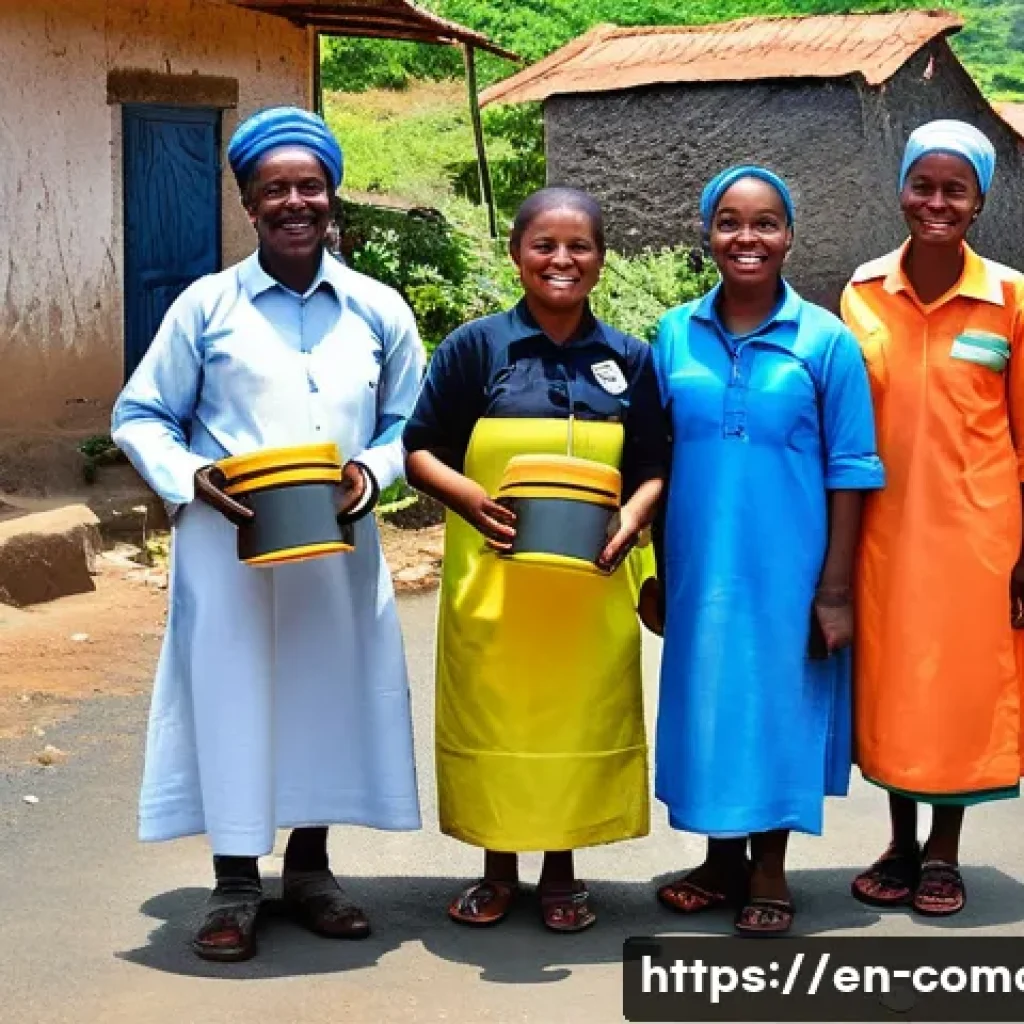
Imagine stepping onto the sun-drenched shores of Comoros, a breathtaking archipelago where vibrant culture meets unparalleled natural beauty. While this paradise offers an escape like no other, it also presents a unique set of challenges, particularly when it comes to safeguarding its communities and precious environment from unforeseen dangers.
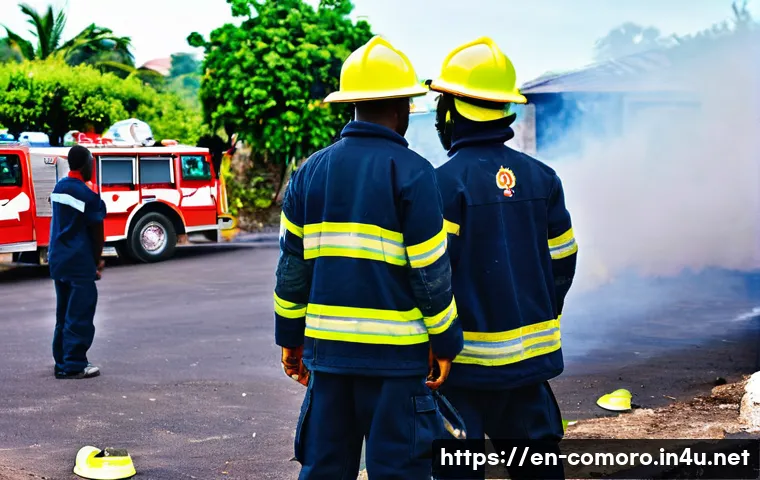
We often think of natural disasters on islands, but what about the silent threat of fire? I’ve spent time understanding the intricate dance of prevention and preparedness in such unique locales, and trust me, it’s far more complex and fascinating than you might think.
Want to know how this incredible nation is tackling fire safety head-on? Let’s dive in and explore exactly how they’re doing it! As small island developing states (SIDS) like Comoros navigate the complexities of climate change and rapid urbanization, the need for robust safety management, including comprehensive fire safety, becomes incredibly urgent.
It’s not just about putting out fires; it’s about building resilient infrastructure, fostering community preparedness, and adopting smart, forward-thinking strategies that protect lives and livelihoods.
What I’ve seen is a global trend towards integrating fire prevention into broader disaster risk reduction efforts, moving beyond reactive measures to proactive, sustainable solutions.
This includes everything from updated building codes to equipping local emergency services, which is especially vital in regions with evolving infrastructure and unique geographic considerations.
It’s a journey of continuous improvement, innovation, and community empowerment, ensuring that while the world rushes forward, these beautiful islands are building a safer tomorrow for everyone.
Tackling the Fiery Challenges of Island Life
Stepping off the plane in Comoros, you’re immediately struck by the sheer beauty – the turquoise waters, the lush volcanic landscapes, and the warmth of the people. It’s truly a paradise, but like any beautiful place, it comes with its own set of vulnerabilities. When I first started looking into safety management on small island developing states (SIDS), I honestly didn’t think much about fire. We often picture hurricanes or tsunamis on islands, right? But the reality I discovered here is far more nuanced. The narrow, winding paths in older villages, the close proximity of wooden homes, and sometimes, the limited access to modern firefighting infrastructure paint a very different picture. What I’ve seen firsthand is how these seemingly small factors can escalate a minor incident into a significant threat. It’s not just about a building burning; it’s about an entire community’s lifeline being jeopardized. The stakes here feel incredibly personal because the communities are so tightly knit, and resources, while growing, are still precious. My experience here has truly opened my eyes to the unique, often overlooked, fire risks that these incredible islands face daily. It’s a constant balancing act between preserving cultural heritage and integrating modern safety standards, and it’s a challenge that demands our full attention and smart solutions.
Unique Risks in a Tropical Paradise
Living on an island, especially one as naturally vibrant as Comoros, brings with it a specific set of challenges that can make fire safety exceptionally tricky. Think about it: many homes are built with traditional materials that, while beautiful and culturally significant, might not always be the most fire-resistant. I’ve walked through villages where structures are incredibly close together, sometimes just a few feet apart, creating a perfect pathway for fire to spread rapidly if one ignites. Then there’s the natural environment itself. During drier seasons, the lush vegetation can become a serious fire hazard, especially in areas bordering national parks or agricultural land. I remember visiting a community near Mount Karthala, and the local elders shared stories of brushfires that have threatened their homes and livelihoods, highlighting just how quickly an ember can turn into a devastating blaze across dry landscapes. Plus, getting heavy equipment to these remote locations, up steep hills, or through dense foliage, is a logistical nightmare. It truly makes you appreciate the incredible efforts local responders put in, often under challenging circumstances. These unique geographic and architectural elements require incredibly tailored and creative solutions, and it’s something I found myself constantly thinking about – how do you protect paradise from itself?
The Silent Threat to Fragile Ecosystems
Beyond the immediate danger to homes and lives, a fire on an island like Comoros poses a profound, often underestimated, threat to its delicate ecosystems. We’re talking about biodiversity hotspots here, home to species found nowhere else on Earth. When a fire tears through, especially a bushfire, it doesn’t just clear land; it destroys critical habitats, displaces wildlife, and can even push already endangered species closer to the brink. I’ve seen the sheer devastation – the scorched earth, the lingering smell of smoke, and the quiet absence of birdsong that used to fill the air. It’s heartbreaking. The slow recovery process of these ecosystems, if they recover at all, can take decades, altering the natural balance permanently. This isn’t just an environmental issue; it ties directly into the local economy, impacting everything from ecotourism, which many communities rely on, to the health of agricultural lands. The runoff from burned areas can also pollute coral reefs and marine life, creating a cascading effect throughout the entire island system. For me, understanding this interconnectedness really amplified the urgency of robust fire prevention strategies here. It made me realize that fire safety isn’t just about human structures; it’s about safeguarding the very essence of what makes Comoros so incredibly special and vital.
Community at the Core: Building a Resilient Comoros
When you’re on a smaller island, the concept of “community” takes on an entirely new meaning. It’s not just a buzzword; it’s the bedrock of survival and resilience. In Comoros, I’ve witnessed firsthand how deeply ingrained this sense of collective responsibility is, especially when it comes to shared threats like fire. While governmental efforts and international aid are absolutely crucial, the real magic, the true power, lies within the hands of the people themselves. I remember talking to a local fisherman in Moroni who, with a twinkle in his eye, told me, “When fire strikes, we don’t wait for sirens; we become the sirens.” This sentiment, this innate drive to protect one another, is incredibly moving and forms the very foundation of effective disaster preparedness here. It’s about neighbors looking out for neighbors, sharing knowledge, and actively participating in drills and awareness campaigns. Without this strong community backbone, even the most advanced equipment or well-funded programs would fall short. It’s a powerful reminder that technology and policy are only as effective as the people who embrace and implement them, and here, that embrace is remarkably strong and genuine.
Empowering Local Heroes: The Volunteer Firefighters
One of the most inspiring aspects of fire safety in Comoros, something that truly resonated with me, is the incredible role played by volunteer firefighters. These aren’t just trained professionals; they are mothers, fathers, fishermen, farmers, and shopkeepers who dedicate their precious time and energy to protecting their communities. They are the true local heroes. I had the privilege of spending a day with a small volunteer unit near Mutsamudu, and their commitment was palpable. They train rigorously, often with limited resources, using whatever they have at hand, from buckets to small, donated pumps. What struck me most was their deep local knowledge – knowing exactly where the closest water source is, understanding the wind patterns during a dry spell, and having an intimate familiarity with the layout of every village path. This local expertise is irreplaceable. While they crave more modern equipment and advanced training, their spirit and courage are absolutely unwavering. Supporting these volunteers, providing them with better tools, and enhancing their training isn’t just about fire safety; it’s about investing in the very heart of Comorian resilience. They are the eyes and ears on the ground, the first line of defense, and frankly, they deserve all the recognition and resources we can possibly help provide.
Education as Our Strongest Shield
When you talk about building long-term resilience against fire, especially in a place with evolving infrastructure, education isn’t just important—it’s paramount. My time in Comoros really underscored this truth. It’s not enough to have a fire truck; people need to know how to prevent fires in the first place, and what to do if one breaks out. I’ve seen local initiatives where community leaders and even schoolteachers are actively engaging children and adults in fire safety drills, discussing common household hazards, and explaining basic evacuation routes. These sessions, often conducted in local languages and using culturally relevant examples, are incredibly effective. Imagine a small child learning not to play with matches, or a family understanding the importance of having a clear escape path from their home. These small pieces of knowledge, accumulated across a village, create a powerful collective defense. It’s about shifting from a reactive mindset to a proactive one, embedding safety principles into the very fabric of daily life. The ripple effect of educating even one household can spread throughout an entire neighborhood, making everyone safer. It’s truly a testament to the idea that knowledge, especially when shared freely and effectively, truly is power, and in this context, it’s the most robust fireproof shield a community can possess.
Tech and Training: Modernizing Emergency Response
While the spirit of community is incredibly strong in Comoros, the reality of modern fire safety also demands a significant investment in technology and specialized training. I’ve heard the frustration from local responders who, despite their immense dedication, often find themselves battling blazes with outdated equipment or in situations where advanced tools would make a critical difference. It’s a stark reminder that passion alone, while vital, sometimes isn’t enough against the destructive power of fire. I remember a conversation with a fire chief who expressed how much a simple thermal imaging camera could change their approach in smoke-filled buildings, or how crucial reliable, high-pressure pumps are in areas without readily available hydrants. This isn’t about replacing the human element; it’s about empowering our incredible frontline heroes with the best possible tools to do their challenging jobs safely and effectively. The journey towards modernizing emergency response here is ongoing, marked by both innovative local adaptations and crucial international collaborations. It’s a gradual but essential evolution that promises to significantly enhance their capabilities and, ultimately, save more lives and protect more property across the islands. This blend of human ingenuity and technological advancement is key to unlocking a truly resilient future.
Equipping the Front Lines: A Look at Resources
When we talk about equipping the front lines, it’s about more than just shiny new fire trucks, although those are certainly welcome! My observations in Comoros highlighted that often, it’s the more basic, yet incredibly crucial, equipment that makes the biggest impact. Things like reliable communication systems – walkie-talkies that actually work across varied terrain – or robust personal protective equipment (PPE) for firefighters that can withstand the intense heat and hazards they face. I’ve seen firefighters here making do with less, patching up old gear, and improvising solutions, which speaks volumes about their dedication. However, true modernization means moving beyond improvisation. It means ensuring they have access to consistent water sources, whether through strategically placed tanks, improved hydrant infrastructure, or even portable pumping systems for coastal areas. It also means having basic medical kits readily available for immediate first aid, as firefighters are often the first responders to all kinds of emergencies. It’s a comprehensive approach to resourcing, looking at every single tool and piece of gear that can either prevent a fire from escalating or protect the person bravely fighting it. For any nation aiming for enhanced safety, a critical look at the actual tools and resources available to its emergency services is an absolute must, and Comoros is certainly on that path.
International Partnerships Making a Difference
One of the most uplifting aspects of my time exploring fire safety in Comoros was witnessing the impactful role of international partnerships. It’s truly a global effort when it comes to strengthening resilience in vulnerable regions. I’ve heard stories of firefighters from France, and even organizations from other SIDS, sharing their expertise, providing training modules, and donating essential equipment. It’s a beautiful exchange of knowledge and resources that bridges geographical divides. These partnerships aren’t just about handouts; they’re about building sustainable capacities, training local instructors, and fostering long-term relationships that empower Comoros to develop its own robust fire safety programs. For example, a partnership might involve training in specialized areas like incident command, rescue techniques, or even fire investigation, which helps authorities understand the root causes of fires and prevent future occurrences. It’s a two-way street, too, as international partners often learn valuable lessons from the innovative ways Comorian communities adapt and respond with limited resources. These collaborations are absolutely vital for small nations that might not have the extensive budgets or specialized academies of larger countries, and they stand as a testament to the global community’s commitment to collective safety. I left feeling hopeful, seeing how shared goals can truly bring people and nations together for a common, life-saving cause.
Proactive Measures: From Building Codes to Bushfire Prevention
When we talk about fire safety, it’s easy to jump straight to the heroic acts of firefighters battling a blaze. But what truly makes a difference, what truly builds a safer future, are the proactive steps taken long before an emergency ever arises. My deep dive into Comoros’ approach showed me that prevention is truly the unsung hero of fire safety. It’s about thinking ahead, anticipating risks, and implementing strategies that minimize the chances of a fire starting or spreading. This involves everything from the regulations governing how structures are built to the way communities manage their natural surroundings. I remember a conversation with a local planner who passionately explained the nuances of adapting building codes to local materials and climate conditions, ensuring safety without sacrificing cultural identity. It’s a thoughtful, forward-thinking approach that recognizes the unique environment of an island nation. These proactive measures aren’t always glamorous, but they are absolutely foundational. They represent a commitment to creating an environment where communities are inherently safer, reducing the reliance on reactive interventions and fostering a culture of continuous preparedness. It’s about laying the groundwork for resilience, brick by brick, and policy by policy, ensuring that the beautiful island landscape remains safe for generations to come.
Designing for Safety: Smarter Construction in the Islands
One of the most impactful long-term strategies for fire safety, especially in a rapidly developing region like Comoros, lies in smarter construction practices and updated building codes. It’s a conversation I found myself having repeatedly with local engineers and community leaders. Imagine designing homes and public buildings with fire-resistant materials right from the start, or ensuring adequate spacing between structures to create fire breaks. It sounds simple, but implementing these changes takes careful planning and adaptation to local conditions and available resources. For instance, promoting the use of less flammable roofing materials, or requiring proper electrical wiring standards, can drastically reduce the risk of accidental fires. I’ve seen how older, traditional buildings, while charming, can become fire traps due to their construction and proximity. The challenge is to integrate modern safety standards without erasing the unique architectural heritage of the islands. This means thoughtful policy-making, incentives for safer building, and continuous education for builders and homeowners. It’s a slow process of evolution, but one that promises huge returns in terms of safety and resilience. By designing for safety today, Comoros is quite literally building a safer tomorrow, one fire-resistant brick at a time, ensuring that growth doesn’t come at the cost of vulnerability.
Protecting Natural Treasures: Wildfire Strategies
The beauty of Comoros is intrinsically linked to its natural environment – its dense forests, volcanic slopes, and unique flora. However, this natural beauty also brings a significant risk: wildfires. Protecting these natural treasures requires a very specific set of proactive strategies, far beyond what you’d consider for urban fire safety. My journey here truly highlighted the importance of understanding the delicate balance between human activity and ecological preservation. I learned about initiatives focused on creating fuel breaks in forested areas, carefully clearing underbrush that can act as kindling during dry seasons. There’s also a big push for controlled burning practices, where experts strategically manage small fires to reduce fuel loads and prevent larger, uncontrolled blazes. It’s a complex science that requires deep local knowledge of weather patterns, vegetation types, and topography. Furthermore, educating communities living near forested areas about responsible waste disposal and safe agricultural burning practices is absolutely critical. I remember a ranger explaining how a single, carelessly discarded cigarette could devastate acres of unique habitat and threaten nearby villages. These efforts are not just about fire suppression; they’re about ecosystem management and community stewardship, ensuring that the breathtaking natural beauty of Comoros remains vibrant and protected from the silent, creeping threat of wildfire. It’s a constant, vigilant effort to safeguard paradise.
Economic Impact and Sustainable Safety Solutions
When you look at fire safety purely from a human and environmental perspective, the urgency is clear. But there’s another, often overlooked, layer that truly reinforces the need for robust prevention: the economic impact. My research into small island economies has shown me time and again that a major fire, especially in a vital community hub or a key agricultural area, can have devastating ripple effects that extend far beyond the immediate damage. We’re not just talking about the cost of rebuilding a structure; we’re talking about lost livelihoods, disruption to tourism, damage to infrastructure, and the potential for long-term economic instability. Imagine a fire destroying a local market – not only are vendors out of business, but the entire community loses a crucial source of goods and income. It’s a stark reminder that investing in fire safety isn’t just a humanitarian concern; it’s a sound economic decision, a form of proactive risk management that protects a nation’s assets and ensures its continued growth. What I observed in Comoros is a growing recognition of this interconnectedness, a shift towards viewing fire safety as an integral part of sustainable development, not just an emergency response. It’s about building a future where prosperity isn’t constantly threatened by preventable disasters.
The Cost of Neglect: Beyond Just Property Damage
It’s easy to quantify the direct costs of a fire – the value of a burned building, the loss of inventory, or the medical expenses for injuries. But what my experience on the ground in Comoros really emphasized is that the true cost of fire, especially if prevention is neglected, runs much deeper. We need to consider the indirect and intangible costs that often linger long after the smoke clears. Think about the psychological trauma on a community that has lost homes and memories, the disruption to children’s education if a school burns down, or the long-term environmental degradation that impacts ecotourism, a burgeoning industry for many islands. There’s also the significant strain on limited public resources – diverting funds that could be used for education or healthcare towards disaster recovery. A major fire can also deter foreign investment, as businesses look for stable and safe environments. I’ve seen communities struggling to regain their footing months after an incident, the scars visible not just on the landscape but in the morale of the people. This holistic view of the economic impact underscores why proactive investment in fire safety isn’t a luxury; it’s an absolute necessity for the sustained well-being and prosperity of any small island nation.
Investing in Prevention: A Smart Economic Move
Given the severe economic consequences of fires, it becomes incredibly clear that investing in prevention is not just the right thing to do, it’s the smart thing to do from an economic standpoint. Think of it as an insurance policy, but one that actually helps you avoid the disaster in the first place! I’ve seen how relatively small investments in things like fire safety awareness campaigns, better building materials, or even basic firefighting equipment for volunteer units can yield massive returns by preventing much larger, more costly incidents. For example, updating electrical grids in older homes might seem expensive upfront, but it pales in comparison to the cost of rebuilding an entire village after an electrical fire. Similarly, clearing brush in strategic areas reduces wildfire risk, protecting valuable agricultural land and tourist attractions. This proactive approach helps to stabilize local economies, protect jobs, and ensure that developmental gains aren’t wiped out in a single blaze. It also enhances investor confidence, making the region more attractive for business and tourism. From my perspective, any government or community looking to foster long-term stability and growth in a vulnerable region like Comoros should view comprehensive fire prevention as an essential, non-negotiable cornerstone of its economic strategy. It’s an investment that truly pays dividends in safety, security, and prosperity.
My Take: What I Learned on the Ground in Comoros
Spending time truly understanding the intricacies of fire safety in Comoros has been an incredibly enriching, and at times, deeply moving experience for me. Before coming here, my perspective was, I admit, a bit more abstract, focusing on global trends and statistics. But connecting with the people, seeing their resilience firsthand, and hearing their stories transformed those statistics into vibrant, tangible realities. What I’ve taken away most strongly isn’t just a list of challenges or solutions, but a profound appreciation for the human spirit and its capacity for innovation and cooperation, even when facing significant hurdles. It’s reminded me that while technology and policy are crucial, the heart of any effective safety system lies in its people – their knowledge, their willingness to act, and their unwavering commitment to protecting their communities and their unique way of life. This journey has been a powerful lesson in what it truly means to build resilience from the ground up, blending traditional wisdom with modern approaches. I truly believe that the lessons learned here, from the resourcefulness of local communities to the impact of international partnerships, hold valuable insights for other small island nations and, honestly, for all of us striving for a safer, more sustainable world. It’s a journey of continuous learning, and I’m so grateful to have been a small part of it.
A Personal Reflection on Resilience
It’s hard to put into words the sense of admiration I feel for the communities in Comoros. Their resilience in the face of environmental challenges, including the constant threat of fire, is nothing short of inspiring. I vividly recall a conversation with a local woman who, after losing a portion of her livelihood to a small blaze, spoke not of despair, but of rebuilding and learning. She emphasized how such events, while devastating, often strengthen the bonds within the community, spurring them to work together even more closely on prevention efforts. This isn’t just about bouncing back; it’s about bouncing forward, adapting and growing stronger with each challenge. I saw countless examples of innovative, local solutions born out of necessity, from rudimentary but effective firebreaks maintained by villagers to informal alert systems that rely on word-of-mouth. This firsthand experience profoundly shifted my understanding of what resilience truly means – it’s not just about avoiding disaster, but about the enduring human capacity to adapt, learn, and collaborate to overcome adversity. It’s a powerful reminder that sometimes, the greatest strength comes not from vast resources, but from an unbreakable spirit and a tightly knit community. It’s a lesson I’ll carry with me long after leaving these beautiful islands.
Looking Ahead: The Path to a Safer Future
So, where does Comoros go from here on its journey towards enhanced fire safety? My biggest takeaway is that the path forward is a continuous one, built on ongoing collaboration, education, and strategic investment. It’s about consistently reinforcing those community bonds, ensuring that new generations are just as knowledgeable about prevention as their elders. It means advocating for sustained international support, not just in terms of equipment donations, but also for long-term training programs and knowledge exchange. I envision a future where every village has robust, well-trained volunteer units, equipped with modern tools and backed by comprehensive national strategies. It’s also crucial to integrate fire safety into broader climate change adaptation plans, recognizing that increased droughts or changing weather patterns will directly impact fire risk. The strides already being made, from updating building codes to fostering a stronger culture of preparedness, are incredibly promising. What I’ve seen here fills me with hope – the dedication, the ingenuity, and the unwavering spirit of the Comorian people are their greatest assets. By nurturing these, and by continuing to embrace smart, sustainable solutions, Comoros is truly paving the way for a safer, more resilient future for its extraordinary islands and its wonderful people.
| Aspect of Fire Safety | Traditional Approach (Challenges) | Modern Approach (Solutions & Goals) |
|---|---|---|
| Community Engagement | Informal, word-of-mouth warnings; limited organized drills. | Structured community drills; school-based education; social media campaigns. |
| Equipment & Infrastructure | Basic tools; limited water access; reliance on manual transport. | Modern pumps, PPE, communication systems; improved hydrant networks; mobile water tanks. |
| Building Practices | Traditional materials (often flammable); dense, unplanned settlements. | Fire-resistant materials; enforced building codes; urban planning for fire breaks. |
| Wildfire Management | Reactive response to outbreaks; limited fuel reduction. | Proactive fuel management (controlled burns, clearing); early warning systems; designated firebreaks. |
| Training & Expertise | Basic local knowledge; ad-hoc training. | Standardized training programs; international partnerships for specialized skills; local instructor development. |
Concluding Thoughts
As I wrap up this journey through the nuanced world of fire safety in Comoros, I’m filled with immense gratitude and a renewed sense of purpose. It’s been an eye-opening experience, reminding me that true resilience isn’t just about policies or technology, but about the unbreakable spirit of a community working together. The lessons learned here, from the ingenuity of local heroes to the power of shared knowledge, are universal. Let’s carry these insights forward, continuing to support and uplift vulnerable communities, ensuring that paradise remains protected for generations to come.
Useful Information to Know
1. Support Local Initiatives: When visiting or learning about places like Comoros, consider how you can support local volunteer groups or NGOs focused on community safety and environmental protection. Even small contributions can make a huge difference in providing essential training or equipment for frontline responders.
2. Prioritize Prevention at Home: The principles of fire safety we discussed aren’t just for islands! Take a moment to check your own home for fire hazards – ensure smoke detectors are working, electrical wiring is up to code, and you have a clear escape plan. Prevention truly is the best defense, no matter where you are.
3. Understand Local Contexts: If you travel to small island nations or developing regions, take the time to learn about their specific challenges and how communities address them. This deepens your travel experience and fosters a greater appreciation for the local resilience and ingenuity you’ll encounter.
4. Embrace Community Spirit: The power of community, as seen in Comoros, is a vital lesson for all of us. Engage with your own neighbors, participate in local preparedness efforts, and understand that collective action can build incredible strength and safety for everyone.
5. Advocate for Sustainable Development: Remember that fire safety is intertwined with broader sustainable development goals. Support organizations and policies that promote resilient infrastructure, climate change adaptation, and equitable resource distribution, as these factors directly impact a community’s ability to cope with disasters.
Key Takeaways
To sum it all up, our deep dive into fire safety in Comoros has highlighted a few critical areas. Firstly, community engagement and the invaluable efforts of local volunteers are the backbone of resilience. Secondly, proactive measures, from smarter building codes to effective wildfire management, are far more impactful than reactive responses. Lastly, equipping frontline responders with modern technology and fostering strong international partnerships are essential for sustainable safety solutions. It’s a holistic approach where every piece, from individual awareness to global cooperation, plays a crucial role in safeguarding these precious islands.
Frequently Asked Questions (FAQ) 📖
Q: What unique fire safety challenges do small island nations like Comoros face that might surprise people living in larger countries?
A: Oh, this is such a fascinating question, and one I’ve spent a lot of time pondering! When you think of a place like Comoros, your mind probably conjures up images of pristine beaches and lush landscapes, right?
And that’s absolutely true! But beneath that serene surface lie some really distinct challenges when it comes to something as critical as fire safety.
From what I’ve personally observed and learned, the biggest hurdles often boil down to their very nature as small island developing states. First off, let’s talk infrastructure.
In many larger, more developed nations, we take things like extensive road networks, readily available water hydrants, and modern building codes for granted.
On islands like Comoros, infrastructure development is a constant journey. Road access can be tricky, especially in more remote villages or mountainous areas, making it tough for emergency services to reach a fire quickly.
And water? While they’re surrounded by the ocean, getting potable water to fight fires efficiently can sometimes be a logistical puzzle, particularly in areas without a robust municipal water system designed for high-pressure firefighting.
Then there’s the sheer “smallness” of it all. Resources, both human and material, are often more limited. A single, well-equipped fire station in a bustling metropolis might have dozens of firefighters and a fleet of specialized vehicles.
In Comoros, local emergency teams are incredibly dedicated, but they often operate with fewer resources, older equipment, and smaller crews. This means a proactive approach to prevention is absolutely paramount, as reactive responses can be stretched thin.
And let’s not forget the environment itself! Many buildings might be constructed with local, traditional materials that can unfortunately be more susceptible to fire.
Plus, with the increasing impacts of climate change, we’re seeing more intense dry seasons or changes in weather patterns that can escalate fire risks, especially for bushfires or fires in forested areas.
It’s a delicate balance, protecting both the people and the incredible natural beauty. So, it’s not just about putting out a fire; it’s about navigating a complex web of unique geographical, economic, and environmental factors.
It truly gives you a new appreciation for their resilience!
Q: Beyond just putting out fires, how are Comoros and similar island nations building a more resilient approach to fire safety for the long term?
A: This is where the story gets really inspiring! It’s not just about firefighting; it’s about building a whole culture of safety and resilience. What I’ve seen firsthand is a remarkable shift from simply reacting to fires to actively preventing them and building stronger communities from the ground up.
It’s a holistic approach that really excites me, because it’s sustainable and truly empowering. One of the most significant moves I’ve noticed is the integration of fire safety into broader disaster risk reduction strategies.
Instead of treating fire as an isolated threat, it’s being recognized as part of a larger picture that includes everything from cyclones to floods. This means they’re looking at things like updated building codes and urban planning, encouraging the use of fire-resistant materials where possible, and ensuring new developments consider accessibility for emergency services.
It’s about thinking ahead, rather than playing catch-up. Investment in emergency services, though often incremental, is also crucial. This isn’t just about buying new fire trucks (though that helps!).
It’s about training local first responders, equipping them with the right tools, and fostering regional cooperation. I’ve seen how dedicated these individuals are, and providing them with continuous training and improved resources makes a world of difference.
Perhaps most powerfully, there’s a huge emphasis on community preparedness and education. You know how much I believe in grassroots efforts! This means engaging local populations in awareness campaigns, teaching basic fire safety practices, and even organizing community drills.
When everyone understands the risks and knows what to do in an emergency, it creates a much stronger safety net. It’s about empowering people to be the first line of defense, which is incredibly effective in areas where external help might take longer to arrive.
It’s a journey, for sure, but the commitment to long-term resilience is genuinely palpable.
Q: As a resident of Comoros, what simple, practical steps can I take to protect my home and family from fire, and how can I get involved in community safety efforts?
A: This is exactly the kind of question I love, because it puts the power right into your hands! While governments and organizations work on the big picture, your personal actions at home and in your community are absolutely vital.
I always say that true resilience starts with each of us. For your home, let’s start with some basics that are easy to overlook. First, ensure you have working smoke detectors!
They are incredibly affordable and truly life-saving. Check their batteries regularly – it literally takes seconds. Then, think about your cooking area.
A huge number of household fires start in the kitchen. Always stay near your stove when cooking, and keep flammable materials like curtains or towels away from burners.
After a delicious meal, make sure stove tops and ovens are completely off. Electrical safety is another big one, especially with our increasing reliance on gadgets.
Avoid overloading power outlets, and if you see any frayed wires or sparking, get them fixed immediately by a qualified electrician. And if you have any open flames, like candles or traditional lamps, always keep them away from anything that can catch fire and never leave them unattended.
Having a clear exit plan with your family – practicing how to get out safely and where to meet outside – is also crucial. Want to get involved in your community?
That’s fantastic! The best place to start is often by simply reaching out to your local community leaders or the nearest emergency services office. They frequently organize awareness programs or need volunteers to help spread vital information.
Participating in local fire safety workshops, even just attending to learn, makes a huge difference. You can also become an advocate within your own neighborhood, sharing tips with friends and family.
Sometimes, simply talking to your neighbors about keeping common areas clear of debris, which can be fuel for fires, is a huge step. Remember, a safer community is a collective effort, and every single person who steps up makes a tangible impact.
It’s about neighbor helping neighbor, building a stronger, safer home for everyone!