Hey there, fellow culture enthusiasts! You know, sometimes you stumble upon an experience that genuinely shifts your perspective, and for me, that was diving headfirst into the recent Comoros cultural exchange event.
In a world buzzing with digital connections, there’s an almost magical quality to truly immersing yourself in traditions so wonderfully distinct and deeply rooted.
I’ve always believed that understanding different cultures isn’t just a nice-to-have; it’s absolutely essential for building bridges and envisioning a more harmonious global future.
This event wasn’t just a series of performances; it was a living, breathing tapestry of history, art, and community that truly left an indelible mark on my soul.
If you’re looking to broaden your horizons and discover the hidden gems of global understanding, you’ve come to the right place. Let’s delve deeper into this unforgettable journey and explore exactly what made it so special.
The Rhythmic Heartbeat of the Comoros Islands
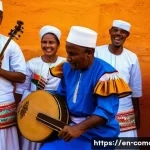
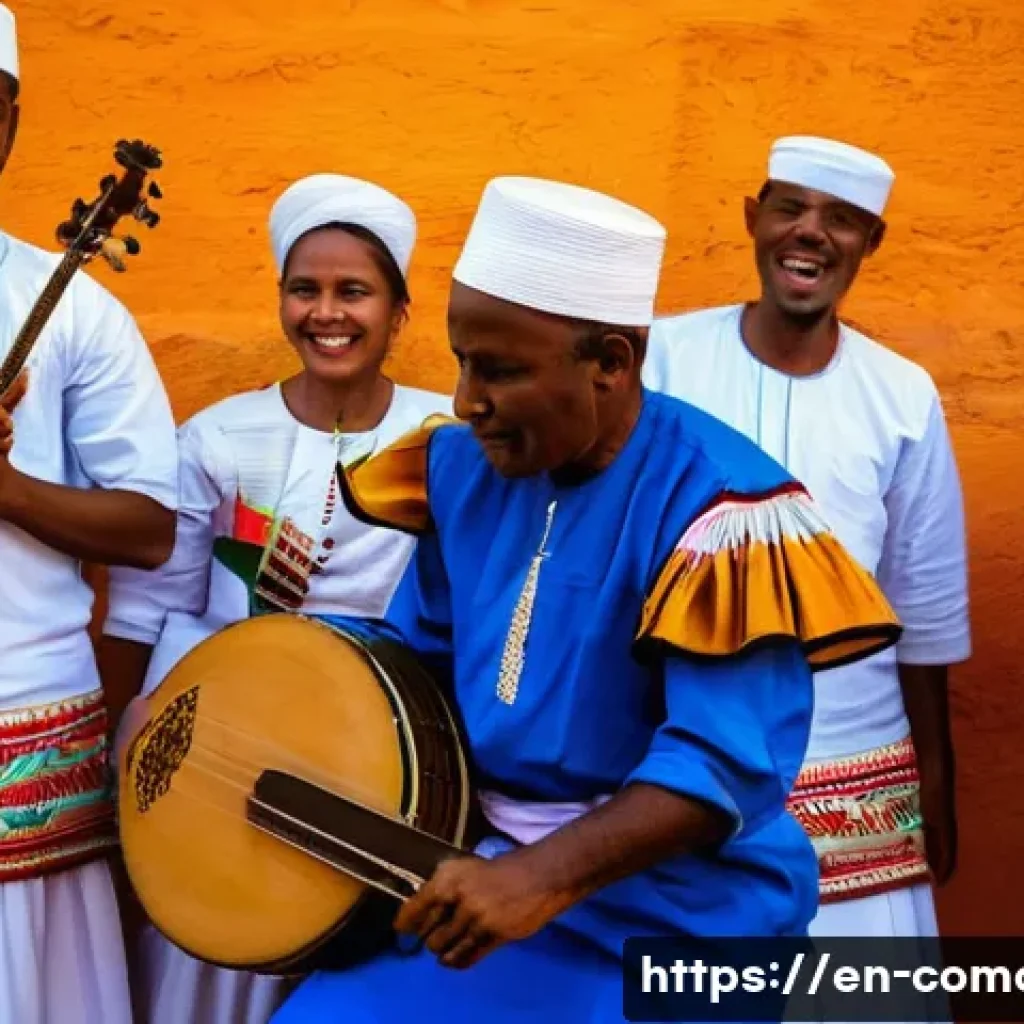
Stepping into the main hall, I was immediately enveloped by a symphony of sounds that just grabbed me by the soul. It wasn’t just music; it was the very essence of Comorian life pulsating through the air, an intoxicating blend of traditional instruments I’d never encountered before, like the gambusi, a lute-like string instrument, and the ngoma drums, which provided an incredibly deep, resonant beat. You know that feeling when a piece of music just hits you in your core? That’s exactly what I experienced. The energy was palpable, with dancers moving in fluid, storytelling motions, their vibrant attire swirling with every turn. I remember feeling completely mesmerized, almost like I was witnessing a living history lesson unfolding right before my eyes. It wasn’t about perfection; it was about passion, about a community sharing its heritage with an open heart. This immersive experience truly highlighted how deeply music and dance are woven into the fabric of daily life and celebration in the Comoros, acting as a vibrant conduit for ancestral stories and island pride. The sheer joy on the faces of the performers was infectious, and it’s a moment I’ll forever cherish, a powerful reminder of how rhythm connects us all, regardless of where we come from. Seriously, it was electrifying!
Unforgettable Melodies and Dance Moves
The melodies themselves were a fascinating fusion, echoing influences from Africa, Arabia, and even a touch of French colonial history, yet distinctly Comorian. There was a particular traditional dance, the Mbiwi, performed by women, that absolutely captivated me. Their movements were graceful yet powerful, telling stories of everyday life, celebrations, and resilience. Each step, each sway of their hips, seemed to communicate generations of history and communal strength. It felt like watching poetry in motion, a testament to the enduring spirit of the islands. What really struck me was how inclusive it felt; even as an outsider, I never felt excluded from the energy. Instead, I felt invited into their world, witnessing a genuine expression of cultural identity. It wasn’t just a performance; it was an intimate glimpse into the soul of a people, a moment where their traditions came alive in the most spectacular way. And honestly, it made me want to learn a few moves myself!
The Stories Told Through Performance
Beyond the sheer beauty of the choreography and the captivating sounds, it was the narratives embedded within each performance that truly resonated with me. Through rhythmic chants and expressive gestures, the dancers and musicians communicated tales of maritime adventures, ancient folklore, and the simple joys and hardships of island living. It felt like a multi-sensory book, each note and movement a page turned. I spoke with one of the elders after a performance, who explained that many of these dances have been passed down for centuries, evolving slightly but always retaining their core message and meaning. It highlighted how cultural expression isn’t just entertainment; it’s a vital tool for preserving history and values. This deep commitment to storytelling through art profoundly impacted me, showing me that culture is a living, breathing entity, constantly nurtured and shared across generations. It’s a beautiful thing to witness firsthand, trust me.
A Taste of Paradise: Comorian Culinary Wonders
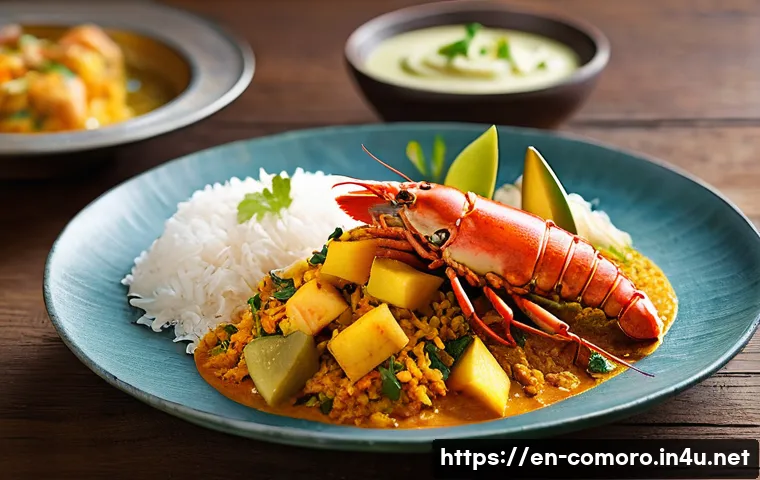
Okay, let’s talk food because, let’s be real, no cultural exchange is complete without diving headfirst into the local cuisine! And oh my goodness, the food at this event was an absolute revelation. My taste buds went on an incredible journey, discovering flavors and spices I hadn’t truly experienced before. Imagine a symphony of tropical fruits, fresh seafood, and aromatic spices like cloves, cardamom, and vanilla, all expertly blended to create dishes that are both comforting and exhilarating. I tried everything from the rich, coconut-infused pilau rice, brimming with tender meat and a medley of spices, to succulent grilled langouste (lobster) that tasted like it had been caught minutes before hitting the grill. Seriously, if you ever get the chance, you *have* to try Comorian pilau; it’s a game-changer. It’s not just about the taste, though; it’s about the communal experience of sharing these meals, a tangible expression of hospitality that makes you feel instantly at home. Every bite felt like a warm embrace, a genuine invitation to connect and celebrate. It left me with a profound appreciation for their culinary traditions and a desperate craving for more!
Spice Routes and Culinary Delights
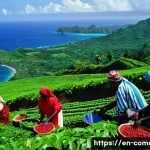
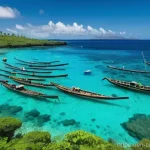
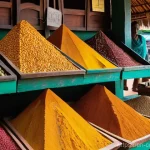
The Comoros, often called the “perfume islands” due to its rich production of ylang-ylang, vanilla, and cloves, has a culinary landscape deeply influenced by its position along historical spice routes. This means their dishes are incredibly complex and fragrant, a direct result of centuries of trade and cultural intermingling. You can taste the influences from East Africa, Madagascar, and even hints of French and Arab traditions, all beautifully integrated into a unique Comorian identity. I was particularly fascinated by how they utilize fresh coconut milk in so many savory dishes, adding a creamy richness that’s just divine. It’s not just about the exotic ingredients; it’s about the skill and heart that goes into preparing each meal, turning simple ingredients into extraordinary culinary experiences. For someone like me who loves to explore through food, this was nothing short of paradise. Every dish told a story of the islands’ rich history and vibrant natural bounty.
My Favorite Flavors from the Islands
It’s hard to pick a favorite, but if I had to choose, the aforementioned pilau was absolutely unforgettable. The way the rice soaked up all those incredible spices and the tenderness of the meat was just… perfection. But another standout for me was a simple yet incredibly flavorful fish curry, often made with fresh tuna or red snapper, simmered in a creamy coconut sauce with a generous hand of chili and ginger. The balance of heat, sweetness, and savoriness was just spot-on, making it incredibly moreish. And let’s not forget the tropical fruits! Mangoes, lychees, and papayas that tasted nothing like what you find in regular supermarkets. They were bursting with natural sweetness and sunshine. Experiencing these flavors fresh from the source really brought home the incredible natural richness of the islands. It’s an experience that really sticks with you, transforming your understanding of what ‘fresh’ truly means.
Weaving Tales: Artisanal Craftsmanship of Comoros
Beyond the vibrant performances and the delectable cuisine, another facet of Comorian culture that truly captivated my attention was their incredible artisanal craftsmanship. It felt like every object, every piece of fabric, held a story, a connection to the hands that created it and the traditions from which it emerged. I spent ages browsing the stalls, absolutely fascinated by the intricate details and the sheer dedication evident in each item. From exquisitely carved wooden chests and traditional dhow models that mirrored the very boats sailing the Indian Ocean, to beautifully hand-woven mats and textiles dyed with natural pigments, it was a feast for the eyes. What struck me most was the functionality imbued with beauty. These weren’t just decorative items; they were often tools or everyday objects elevated to works of art through meticulous skill and centuries-old techniques. It’s truly inspiring to see how art isn’t separated from life here; it’s an integral, cherished part of it. I even managed to snag a small, intricately carved wooden box as a souvenir, a little piece of the Comoros to bring home with me.
Intricate Designs and Timeless Traditions
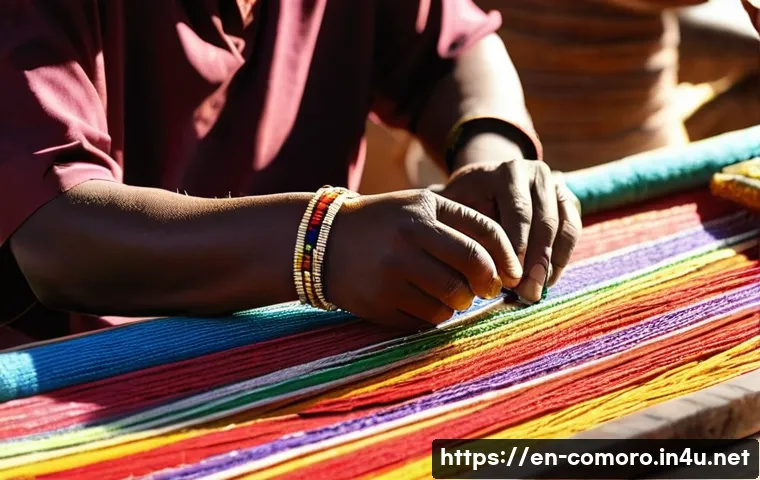
The level of detail in Comorian artistry is just astounding. Take for instance, the traditional jewelry; it’s often made with silver and incorporates delicate filigree work, reflecting strong Arab influences that have shaped the islands’ history. Then there are the woven items, like the colorful kanga fabric, which isn’t just clothing but often carries messages or proverbs within its patterns and borders. It’s a subtle yet powerful form of communication, making each piece deeply meaningful. Observing the artisans at work, patiently shaping wood or weaving threads, was a meditative experience in itself. You could almost feel the weight of generations of knowledge in their hands, the pride in preserving these time-honored techniques. It’s a beautiful reminder that in our fast-paced world, there are still places where the value of handmade, slow craftsmanship is deeply revered. It gave me a whole new appreciation for the skill and patience involved.
Finding My Own Piece of Comoros
Honestly, choosing a souvenir was genuinely tough because everything was so unique and meaningful. I ended up with a small, beautifully carved wooden plate, etched with traditional patterns that I was told represent protection and prosperity. It wasn’t just another trinket; it felt like I was bringing home a piece of their soul, a tangible connection to the incredible people I’d met and the culture I’d experienced. These handcrafted items aren’t just commodities; they’re embodiments of identity, history, and communal spirit. I remember chatting with the artisan who made my plate, and his eyes lit up as he explained the significance of each motif. That personal connection, that shared story, made the purchase so much more special. It’s moments like these that truly transform a trip from a simple vacation into a profound cultural immersion. It’s a reminder that true value often lies in the stories and human connection behind an object.
The Warmth of the Comorian Spirit
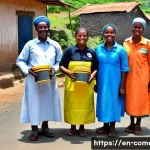
Beyond all the sights, sounds, and tastes, what truly left an indelible mark on my heart was the incredible warmth and genuine hospitality of the Comorian people. It wasn’t just politeness; it was a deeply ingrained cultural value that made every interaction feel personal and sincere. From the moment I arrived, I was met with smiles, open arms, and an eagerness to share their culture that was truly humbling. People went out of their way to explain traditions, share stories, and ensure that every visitor felt welcomed and comfortable. There’s a particular phrase, ‘karibu,’ which means ‘welcome,’ and it was uttered with such genuine warmth that you couldn’t help but feel it in your bones. This wasn’t just an event for them; it was an opportunity to connect, to bridge gaps, and to share their world with curious outsiders. It made me realize that while cultures might have different customs and languages, the universal language of kindness and genuine human connection transcends all barriers. It’s a powerful lesson that I’ll definitely carry with me moving forward.
Hospitality That Stays With You
I’ve traveled quite a bit, but the level of hospitality I encountered in the context of this Comoros cultural exchange was genuinely exceptional. It wasn’t transactional; it felt truly heartfelt. I found myself engaging in impromptu conversations with locals about everything from their daily lives to their hopes and dreams for the future. They didn’t just tolerate my presence; they embraced it, inviting me into their conversations and even sharing snacks. It felt less like being an observer and more like being a temporary member of their extended family. This kind of generosity of spirit is incredibly rare and precious, especially in today’s fast-paced world. It’s the kind of experience that shifts your perspective, making you rethink what true connection means. Honestly, it made me want to extend that same level of open-heartedness in my own interactions back home. It was truly inspiring to witness and partake in such genuine camaraderie.
Community Bonds That Inspire
One of the most striking aspects was the palpable sense of community that permeated every aspect of the event. Whether it was the collective effort in preparing the food, the synchronized dancing, or the way elders were respectfully revered and listened to, the communal spirit was undeniably strong. It wasn’t just about individual performances; it was about the collective strength and identity of the group. This strong sense of belonging and mutual support is something truly admirable and, frankly, something many of us in more individualistic societies could learn from. It showed me the power of unity and how a shared cultural heritage can bind people together in incredibly profound ways. It made me reflect on the importance of nurturing our own communities and finding ways to foster that same sense of collective joy and support. Seeing it firsthand was a powerful reminder of how enriching genuine community can be.
Beyond the Surface: Understanding Comorian Heritage
This event wasn’t just a surface-level presentation of culture; it was a deep dive into the rich tapestry of Comorian heritage, revealing layers of history, belief systems, and societal values. It truly brought to life the complex story of these islands, shaped by centuries of migration, trade, and interaction between diverse peoples. I learned about their unique blend of Swahili culture, infused with strong Arab and Malagasy influences, and how these different threads have woven together to create something truly distinctive. It wasn’t just about what was explicitly shown; it was about the subtle nuances, the unspoken traditions, and the underlying philosophy that guided their expressions. I walked away with a far more nuanced understanding of this often-overlooked archipelago, appreciating its resilience, its unique identity, and its vital place within the broader global cultural landscape. It really makes you think about how every culture, no matter how small, holds a universe of wisdom and stories.
Historical Echoes in Modern Life
One of the most fascinating aspects was seeing how deeply historical influences are still embedded in contemporary Comorian life. For example, the strong Islamic traditions are evident everywhere, from the architecture to daily routines and social customs, reflecting centuries of trade and religious exchange with the Arabian Peninsula. Yet, alongside this, there are equally strong African roots, particularly in their music and oral traditions. It’s not a conflict, but a beautiful synthesis, creating a culture that is incredibly rich and multi-faceted. Understanding these historical layers helped me appreciate the present-day expressions even more profoundly. It showed me that culture isn’t static; it’s a dynamic, evolving entity that constantly carries echoes of its past while embracing the present. It’s a vivid demonstration of how history isn’t just something we read in books; it lives and breathes in the daily lives of people.
Embracing Global Perspectives
Experiences like this Comoros cultural exchange are, in my opinion, absolutely essential for fostering a truly global perspective. It’s so easy to get caught up in our own worlds, our own cultural bubbles. But when you immerse yourself in something so wonderfully different, it broadens your horizons in ways you can’t even imagine. It challenges your preconceptions, expands your empathy, and ultimately makes you a more understanding and compassionate individual. It’s not just about learning facts; it’s about feeling a connection to humanity in its myriad forms. This event served as a powerful reminder that while we may have differences, there’s so much more that unites us. It encouraged me to seek out more such experiences, to continue learning, and to champion the incredible diversity that makes our world so vibrant. It really underlines the importance of actively seeking out experiences that push you beyond your comfort zone, because that’s where the real growth happens.
The Unseen Magic: Personal Reflections and Lasting Impressions
As I reflect on the entire experience, it’s hard to put into words the ‘unseen magic’ that permeated the Comoros cultural exchange. It wasn’t just a series of well-organized events or beautiful performances; it was the cumulative effect of genuine human connection, shared laughter, and a profound sense of mutual respect. I walked in with curiosity and left with a heart full of gratitude and a mind buzzing with new insights. It’s funny how some experiences just embed themselves in your memory, becoming benchmarks against which you measure future interactions. This was definitely one of those. The sheer joy, the vibrant colors, the intoxicating aromas, and most importantly, the incredible spirit of the people, have all coalesced into a beautiful, lasting impression. It’s the kind of memory that continues to inspire and inform your worldview long after the event itself has concluded. Truly, it was an experience that felt good for the soul, a gentle yet powerful reminder of the beauty in our diverse world.
How This Event Changed My View
Before this event, I honestly had a somewhat limited understanding of the Comoros, mostly just geographical knowledge. But this immersive experience completely shattered any preconceived notions and replaced them with a vivid, living understanding of their culture. It taught me that genuine understanding comes not from reading articles, but from direct engagement and open-hearted participation. It shifted my perspective on what ‘culture’ truly means – it’s not just traditions, but the living, breathing expression of a people’s history, values, and hopes. It made me realize how much richness exists in every corner of our planet, often in places we might not typically consider. This event wasn’t just educational; it was transformative, sparking a deeper curiosity about the world and a greater appreciation for the nuanced beauty of human existence. It’s like a new lens through which I now see the world, and I’m so grateful for it.
Carrying the Spirit Forward
So, what do you do with an experience this profound? For me, it’s about carrying that spirit forward, not just as a memory, but as an active principle in my life. It means seeking out more opportunities for cultural exchange, being more open to different perspectives, and championing the beauty of diversity in my own interactions. It means remembering the warmth and generosity of the Comorian people and striving to extend that same open-heartedness to others. This isn’t just a travel anecdote; it’s a reminder of the power of connection, the importance of listening, and the joy of discovery. I truly believe that these kinds of immersive experiences are crucial for building bridges and fostering a more harmonious global community. So, if you ever get the chance to dive into a cultural exchange, especially one as enriching as this, grab it with both hands. You won’t regret it!
| Aspect of Comorian Culture | Key Elements & My Takeaway |
|---|---|
| Music & Dance | Vibrant rhythms from instruments like the gambusi and ngoma drums. Dances like Mbiwi tell stories. My takeaway: A powerful, communal expression of history and joy. |
| Cuisine | Richly spiced dishes (pilau, fish curries) with coconut, vanilla, and fresh seafood. My takeaway: A true ‘spice route’ journey for the taste buds, incredibly flavorful and welcoming. |
| Artistry | Intricate wood carvings, woven textiles (kanga), and silver jewelry. My takeaway: Generations of skill and storytelling embedded in functional art. |
| Hospitality | Unwavering warmth and genuine welcoming spirit (‘Karibu’). My takeaway: A profound sense of belonging and human connection that transcends language. |
| Heritage | Blend of African, Arab, and Malagasy influences, with strong Islamic traditions. My takeaway: A rich, dynamic cultural tapestry reflecting centuries of interaction. |
Wrapping Up
And so, as my journey through the vibrant Comorian cultural exchange comes to a close, I’m left with a heart full of memories and a spirit profoundly touched. It wasn’t just an event; it was an intimate embrace of a culture rich in rhythm, flavor, and an unparalleled warmth of spirit. This experience truly underscored the beauty of human connection and the power of shared heritage, leaving an indelible mark on my understanding of the world. It’s a reminder that some of the most profound lessons are learned not from books, but from genuine interaction and open-hearted exploration.
Good-to-Know Information
1. If you’re planning a trip to the Comoros, remember that French and Comorian (Shikomori) are the official languages. While English isn’t widely spoken, a warm smile and a few basic phrases in French will go a long way in connecting with locals and showing respect for their culture.
2. When exploring local markets or engaging with artisans, don’t be afraid to politely haggle for prices, especially for handcrafted souvenirs. It’s often part of the cultural experience, but always do so with a friendly demeanor and respect for their craftsmanship.
3. The Comoros are predominantly Muslim, so it’s always a good idea to dress modestly, particularly when visiting religious sites or traditional villages. This shows respect for local customs and beliefs, ensuring a more comfortable and authentic experience for everyone.
4. Be prepared for a slower pace of life, often referred to as “island time.” Embrace it! This slower rhythm is part of the charm and allows you to truly immerse yourself in the relaxed atmosphere and appreciate the natural beauty and genuine hospitality without feeling rushed.
5. When it comes to food, be adventurous! Comorian cuisine is incredibly flavorful and diverse, but always ensure you’re consuming bottled water to avoid any stomach upsets. Don’t miss trying the local pilau and fresh seafood – your taste buds will thank you!
Key Takeaways
Ultimately, my time experiencing Comorian culture was a profound journey into the heart of a vibrant archipelago. I discovered a rich tapestry woven with mesmerizing music and dance, a culinary landscape bursting with unique spices and fresh island bounty, and an artisanal heritage that speaks volumes of timeless skill and storytelling. But above all, it was the unparalleled warmth and genuine hospitality of the Comorian people that truly resonated, reminding me of the universal power of human connection and the beauty found in embracing diverse traditions. It’s an experience that truly broadens horizons and leaves you with a lasting appreciation for the world’s hidden gems.
Frequently Asked Questions (FAQ) 📖
Q: What exactly was this “Comoros cultural exchange event” and what kind of experiences did it offer?
A: From what I personally experienced, this Comoros cultural exchange event was an incredible deep dive into the rich tapestry of Comorian life, far beyond just surface-level presentations.
Imagine a vibrant blend of African, Arab, and French influences all coming alive before your very eyes! We got to witness traditional music, like the lively Twarab, which I found absolutely captivating with its blend of African and Eastern rhythms.
The dances were just as mesmerizing, with women performing dances like the ‘Tari’ at key life events, showcasing their heritage and community spirit. But it wasn’t just about watching; we got to feel the culture.
There were opportunities to taste Comorian cuisine, which is a delightful fusion of flavors, often spiced with local cloves, cinnamon, and vanilla, and featuring delicious seafood and coconut milk.
I vividly remember trying some m’tsolola, a fish and green plantain stew in coconut milk, and it was simply divine! Beyond the sensory delights, it was about genuine human connection – hearing stories, seeing traditional crafts like embroidery and basketry, and understanding the deeply rooted Islamic values that shape their society.
It truly felt like stepping into a living history book, and it was utterly enriching.
Q: What made this particular cultural exchange so “special” and “unforgettable” for you, personally?
A: You know, it’s hard to put into words, but for me, what made this event truly special wasn’t just the sheer beauty of the Comorian culture, but the incredible warmth and authenticity of the people.
I’ve been to a few cultural events in my time, but this one felt different. There was a palpable sense of pride and eagerness to share their traditions, which instantly made me feel welcome and respected.
I distinctly recall a moment during one of the traditional dance performances – the energy was infectious, and before I knew it, I was tapping my feet and clapping along, feeling a profound sense of connection with everyone around me.
It wasn’t just a performance; it was a celebration of their identity, and they invited us to be a part of it. The blend of African, Arab, and even a touch of Malagasy heritage in their traditions, languages, and even their cuisine, offered such a unique perspective on global interconnectivity.
It really hammered home my belief that understanding other cultures isn’t just about learning facts, it’s about experiencing shared humanity, and that feeling, that shared joy, is what made it absolutely unforgettable for me.
Q: For someone who wants to broaden their horizons and experience other cultures like this, what are your top tips?
A: If you’re itching to dive into other cultures, I’d say the first and most crucial step is to approach it with an open heart and a curious mind – ditch any preconceived notions!
My personal go-to is to start by truly immersing myself in local food. Believe me, you can learn so much about a culture through its cuisine, from its history to its ingredients.
Seek out authentic local eateries or even try a cooking class if you can; I’ve found some of my deepest cultural insights come from sharing a meal. Next, try to engage beyond the usual tourist spots.
I always recommend spending more time in one place rather than rushing through, allowing yourself to simply be in the environment. Take local transport, visit markets, and definitely, definitely try to attend local events and festivals.
These are often where the true spirit of a community shines brightest, like the vibrant “Grand Mariage” in Comoros or other community gatherings. Even if you can’t travel far, you can still experience other cultures by exploring ethnic neighborhoods in your own city, reading books by authors from diverse backgrounds, or watching international films and documentaries.
The key is active engagement – listening to locals, asking respectful questions, and being present. That’s how you really start to build those bridges of understanding and have those truly transformative experiences.