The Indian Ocean conjures images of pristine beaches and azure waters, but beneath that shimmering surface lie vastly different cultural tapestries. Take Comoros and Seychelles, for instance: two archipelagos, seemingly sharing a similar geography, yet their cultural identities couldn’t be more distinct.
I’ve always found it incredibly fascinating how history, migration, and unique societal structures have sculpted these island nations into truly unique experiences.
What defines a place isn’t just its landscape, but the very soul of its people, their traditions, and their daily rhythms. Having personally delved into the heart of both Comoros and Seychelles, I can tell you the experience is profoundly different.
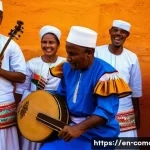
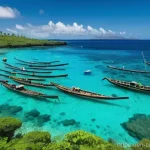
In Comoros, for example, the strong Islamic influence permeates daily life, from the call to prayer echoing through the villages to the traditional dhows sailing the turquoise waters, a truly humbling display of resilience and deep-rooted heritage.
It feels like stepping back in time, where community ties and ancient customs remain largely untouched by the rapid globalization we see elsewhere. This island nation grapples with balancing economic development—a key challenge for many developing nations right now—while fiercely protecting its unique cultural fabric.
It’s a testament to their strength, particularly as sustainable tourism becomes a global buzzword, yet they are approaching it on their own terms. Contrast that with Seychelles, where the vibrant Creole culture, a beautiful blend of African, French, Indian, and even Chinese influences, expresses itself through lively music, colorful festivals, and an open, welcoming spirit.
I distinctly remember the infectious rhythms of Moutia music drifting from a beachside shack, a palpable energy that just pulls you in. While tourism here is more established and often caters to a higher-end market, the Seychellois are incredibly focused on preserving their natural wonders and, crucially, ensuring their rich cultural heritage isn’t commodified but shared authentically.
The trend of ‘experiential travel’ is really taking root here, with visitors seeking genuine interaction rather than just resort stays, which is a fantastic evolution for cultural exchange.
Understanding these nuances isn’t just about geography; it’s about appreciating the diverse ways humanity thrives. Let’s delve deeper below.
The Soul of Comoros: An Islamic Identity Deeply Etched
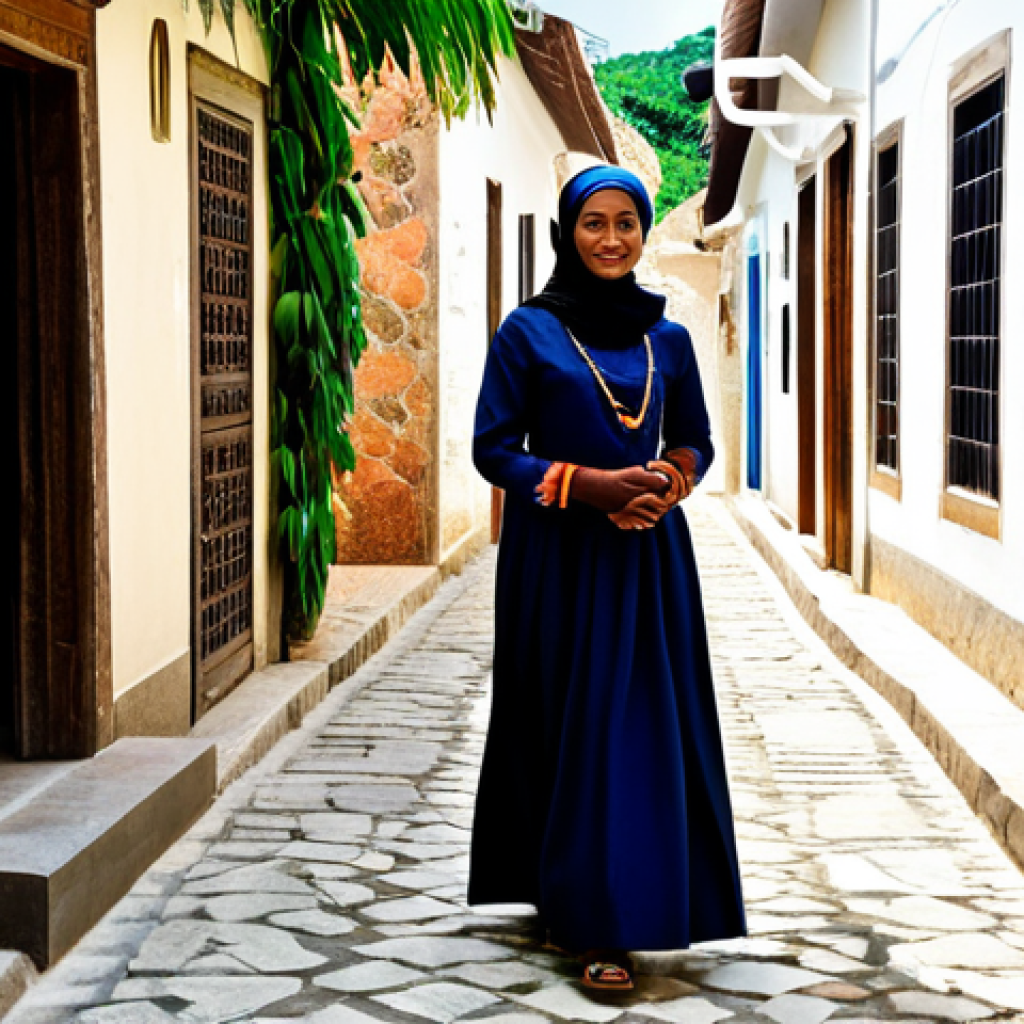
Having spent time wandering the ancient lanes of Moroni and experiencing the quiet hum of everyday life in Comoros, I was immediately struck by the profound spiritual undercurrent that defines this nation.
It’s not just a set of religious practices; it’s the very fabric of their society, intricately woven into every interaction and tradition. The call to prayer, resonating from numerous mosques, is an almost constant companion, marking the rhythm of the day.
This deep-seated Islamic faith shapes everything from dress codes—modest and elegant, reflecting a respect for tradition—to social customs, where hospitality is paramount and community bonds are incredibly strong.
You truly feel a sense of collective identity and shared values that can be rare in our increasingly fragmented world. It’s a humbling experience to witness such devotion and how it fosters a sense of peace and order, even in the face of economic challenges.
I found myself slowing down, observing, and truly appreciating a way of life that prioritizes spiritual well-being and communal harmony above all else.
This authenticity is perhaps Comoros’ greatest treasure, and one that feels incredibly precious and worth preserving.
1. Daily Life Woven with Faith and Ancient Traditions
In Comoros, daily life is a beautiful dance between ancient customs and the rhythm of Islamic prayer. From sunrise to sunset, the islands thrum with an energy that feels both timeless and deeply personal.
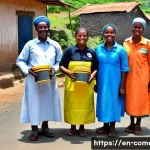
I remember waking to the soft *adhan* echoing through the banana trees, a gentle reminder that spiritual reflection guides their day. Women often wear vibrantly colored *chiromani* wraps, a traditional garment that is both practical and deeply symbolic, speaking to their identity and cultural pride.
Even in bustling markets, there’s an underlying calm, a courtesy exchanged between vendors and customers that reflects deep-seated respect. Family units are incredibly cohesive, with elders revered and children taught from a young age the importance of community and faith.
This isn’t just about attending mosque; it’s about how faith informs their generosity, their resilience, and their outlook on life. It’s an unspoken language of unity that permeates every corner of the archipelago, making you feel like a guest in a truly sacred space.
The emphasis on collective well-being over individualistic pursuits is a refreshing contrast to many Western societies, and it’s something I found deeply moving to observe firsthand.
2. Traditional Arts and the Echo of Ancestors
The arts in Comoros are not merely decorative; they are living repositories of history, belief, and ancestral wisdom. I was captivated by the intricate woodcarvings, often adorning doors and furniture, telling silent stories of generations past.
The *mserezi* paste, a traditional cosmetic and sun protectant made from sandalwood, is more than just beauty; it’s a centuries-old ritual, often applied with artistic flair, linking women to their heritage and to each other.
Music, while present, felt more subdued than in other island nations, often expressed through spiritual chants or rhythmic drumming accompanying traditional ceremonies rather than overt public performances.
This quiet reverence for their artistic expressions, passed down through generations, underscores a culture that values depth and meaning over outward spectacle.
It feels incredibly authentic, a genuine reflection of a people who hold their traditions close to their hearts, ensuring that the legacy of their ancestors continues to thrive in contemporary life.
There’s a profound sense of continuity, a bridge between the past and present, that makes these cultural expressions so incredibly rich and compelling.
Seychelles’ Kaleidoscope of Creole Heritage
Stepping onto the shores of Seychelles after my time in Comoros felt like entering a different dimension, a vibrant explosion of color, sound, and a cultural fusion that is utterly captivating.
The Creole identity here is a magnificent tapestry woven from threads of African, French, Indian, and even a touch of Chinese influence, creating a truly unique and dynamic society.
I was immediately enveloped by the infectious rhythm of Creole music, the tantalizing aroma of Seychellois cuisine wafting from open-air kitchens, and the warm, open smiles of the locals.
Unlike the more reserved and traditional atmosphere of Comoros, Seychelles embraces its multiculturalism with exuberant pride. This blend isn’t just superficial; it’s deeply embedded in their language, their food, their music, and their daily interactions.
It speaks to a history of migration and adaptation, where diverse peoples came together and forged a new, cohesive identity. The openness with which they share their culture, inviting visitors to partake in their festivals and traditions, is a testament to their welcoming spirit.
It felt like every corner held a new discovery, a new story, a new flavor, all contributing to an overwhelmingly positive and vivacious experience.
1. Melodies and Movements: The Heartbeat of Creole Culture
The soundscape of Seychelles is alive with the rhythms of *moutia*, *sega*, and *kontredanse*—music and dance forms that are the very soul of Creole culture.
I vividly recall a spontaneous Moutia performance on Beau Vallon beach, the rhythmic thud of drums, the soulful, almost mournful cries of the singers, and the hypnotic dance moves that just pulled you in.
It’s a communal experience, raw and deeply emotive, born from the history of enslaved peoples and evolving into a powerful expression of resilience and joy.
Sega, with its more upbeat tempo and playful movements, is equally infectious, often leading to impromptu street dances that bring everyone together. These aren’t just performances for tourists; they are integral parts of Seychellois life, celebrated at family gatherings, local festivals, and even just for the sheer joy of it.
The blend of African drumming, French melodies, and Indian instrumentation creates a unique sound that is undeniably Seychellois. It’s a testament to how art can transcend boundaries and create something beautiful and unifying out of disparate origins.
This vibrant musical heritage is something they fiercely protect, recognizing it as a key pillar of their identity.
2. Culinary Journeys: Tastes of the Islands
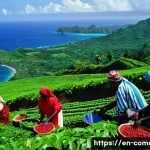
The Seychellois kitchen is a true reflection of its multicultural heritage, a delectable fusion of flavors that delighted my palate at every turn. Fresh seafood, caught daily from the abundant turquoise waters, forms the cornerstone of almost every meal.
I savored succulent grilled fish, curries rich with coconut milk and exotic spices clearly influenced by Indian traditions, and aromatic rice dishes that spoke of Asian culinary techniques.
The French influence is evident in the delicate sauces and the use of fresh herbs, while African stews often incorporate root vegetables and robust flavors.
The use of chilies, lemongrass, ginger, and fresh herbs is ubiquitous, creating bright, zesty dishes that are perfectly suited to the tropical climate.
Trying a traditional *kari koumoune* (octopus curry) or *pwason griye* (grilled fish) felt like a journey through their history, each bite telling a story of migration and adaptation.
There’s an emphasis on fresh, local ingredients, and a strong belief in sharing food, making every meal a communal celebration. I often found myself drawn to small, local eateries where the authenticity of the flavors truly shone through, far beyond any resort restaurant.
| Cultural Aspect | Comoros | Seychelles |
|---|---|---|
| Dominant Cultural Influence | Deeply Islamic, Arab-Swahili | Creole (African, French, Indian, Asian blend) |
| Religious Practice | Sunni Islam (mainstream) | Predominantly Christianity (Catholic, Anglican), with Hindu, Muslim minorities |
| Language | Comorian (Shikomori), Arabic, French | Seychellois Creole (Seselwa), English, French |
| Traditional Music/Dance | More subdued, spiritual chants, traditional drumming for ceremonies | Vibrant Moutia, Sega, Kontredanse (rhythmic, often communal) |
| Cuisine Style | Strong Arab/African influence, slow-cooked stews, rice, plantains | Spicy, aromatic, seafood-centric curries, grilled fish, French/Indian/African fusion |
| Social Atmosphere | More reserved, community-focused, strong respect for elders | Open, lively, welcoming, strong emphasis on family and celebration |
Echoes of the Past: Architecture and Artistic Expressions
Both Comoros and Seychelles, despite their contrasting cultural trajectories, offer fascinating glimpses into their historical narratives through their architecture and enduring artistic expressions.
It’s like their buildings and crafts are silently narrating centuries of trade, migration, and unique craftsmanship. In Comoros, walking through the medina of its capital, Moroni, felt like stepping directly into an ancient Arabian tale.
The narrow, winding alleys, flanked by coral-stone houses with intricately carved wooden doors, speak volumes of the strong historical ties to Arab traders and Swahili coast influences.
These aren’t just old buildings; they are living testaments to a rich mercantile past, designed for both defense and community, with inner courtyards providing privacy and coolness from the tropical heat.
Each door seemed to have a unique story etched into its carvings, a blend of Islamic geometric patterns and local flora. It’s a tangible link to a heritage that values both beauty and functionality, a distinct architectural style that really grounds you in its history.
This contrasts sharply with the often simpler, colonial-era structures found in Seychelles, yet both tell equally compelling stories about the forces that shaped them.
1. Comoros: Stones That Speak of Trade and Faith
The architecture of Comoros is an immersive experience, a journey through time and faith. I was particularly drawn to the Grand Mosque in Moroni, a magnificent structure that dominates the cityscape with its imposing minarets and elegant domes.
It stands as a powerful symbol of the island’s enduring Islamic identity and its deep historical connections to the wider Islamic world. Beyond the grand religious buildings, the residential architecture, particularly in the older parts of towns, showcases a distinctive blend of Arab and Swahili influences.
Houses are often built from local coral stone, providing natural insulation, and feature beautifully carved wooden balconies and windows. The *M’tsangani* district, with its labyrinthine pathways, gives a true sense of how communities lived closely, bound by shared spaces and traditions.
Many homes have very private courtyards, reflecting a culture that values family intimacy and quiet contemplation. Even the dhows, the traditional sailing vessels that dot the harbors, are works of art in themselves, built with age-old techniques passed down through generations, embodying the islands’ maritime legacy and connection to ancient trade routes.
It’s truly a palpable sense of history embedded in the very stones and timbers of the island.
2. Seychelles: Colonial Echoes and Natural Integration
In Seychelles, the architectural landscape tells a different story, one of colonial influences and a harmonious integration with the stunning natural environment.
Walking through Victoria, the capital, I noticed the charming colonial-era buildings, with their distinctive verandas and pitched roofs, remnants of French and British rule.
These structures, often painted in pastel hues, provide a stark contrast to the more traditional Comorian style. However, what truly struck me was how modern Seychellois architecture, particularly in resort areas, often blends seamlessly with the dramatic granite boulders and lush vegetation that define the islands.
There’s a conscious effort to use natural materials like wood and stone, and to design structures that are open to the elements, embracing the cooling breezes and spectacular views.
The botanical gardens and vibrant markets in Victoria also hint at the diverse plant life that has shaped the islanders’ way of life, from their food to their traditional remedies.
While perhaps less overtly “ancient” in its architectural expression than Comoros, Seychelles showcases a unique adaptation of European styles to a tropical setting, creating a distinct aesthetic that feels both worldly and intrinsically island-bound.
Gastronomy and Daily Rhythms: A Taste of Island Life
Beyond the grand cultural narratives, it’s often the small, everyday rituals and the shared experience of food that truly reveal the soul of a place. Both Comoros and Seychelles, in their unique ways, offer a profound connection to their past and present through their culinary traditions and the unhurried pace of island life.
I remember how different the mornings felt in each place. In Comoros, the aroma of strong coffee and the quiet preparations for the day’s work felt meditative, a slow unfolding.
Meals were often communal, simple yet nourishing, reflecting a more subsistence-based agricultural economy and deep family ties. The focus was on fresh, local ingredients, prepared with care and shared with generosity.
In Seychelles, on the other hand, mornings often began with the lively chatter of markets, the scent of exotic spices mingling with freshly baked bread.
Meals felt more like a celebration of diversity, a vibrant blend of flavors and techniques from across the globe, reflecting a history of diverse populations converging.
It truly highlights how daily habits and what we eat are intrinsically tied to our cultural identity and historical journey.
1. Comoros: The Simplicity and Sustenance of Tradition
Comorian cuisine is a testament to its deep roots in Swahili and Arab traditions, characterized by a simplicity that belies its rich flavors. My experience involved savoring dishes primarily centered around rice, plantains, fresh fish, and slow-cooked stews often infused with coconut milk, turmeric, and other warming spices.
I vividly recall a dish called *rougaile*, a flavorful meat or fish stew, often served with *badjia* (fried lentil cakes) or *mtolola* (a stew of fish, plantains, and coconut milk).
Meals often feel like a communal event, with families gathering around a shared plate, reinforcing their strong community bonds. Fresh tropical fruits like mangoes, papayas, and jackfruit are abundant and enjoyed widely.
The pace of life slows down around meal times; it’s an opportunity for connection, storytelling, and simply being present. There’s no rush, no emphasis on quick consumption, but rather a focus on savoring the moment and the company.
This unhurried approach to daily life and meals deeply resonated with me, highlighting a culture that prioritizes human connection and the simple pleasures of sustenance over speed and efficiency.
2. Seychelles: The Zest and Celebration of Fusion Flavors
Seychellois gastronomy, as mentioned before, is an exhilarating journey through a Creole culinary landscape, but it’s the daily rhythm of how it’s enjoyed that really captures the island spirit.
Breakfast often consists of freshly baked bread with local jams or a light fish curry, a surprising yet delicious start to the day. Lunch and dinner are often vibrant affairs, with an array of dishes showcasing their diverse influences.
Beyond the well-known curries, I discovered a love for *ladob*, a sweet or savory dish made with coconut milk and either fish or fruit, which exemplifies their versatile use of local ingredients.
The abundance of fresh fish, from red snapper to tuna, ensures that every meal feels like a treat. Street food stalls are a common sight, offering quick bites like freshly grilled skewers or crispy fritters, reflecting a more informal and spontaneous approach to dining.
It’s a cuisine that celebrates flavor, vibrancy, and the sheer joy of eating well in a tropical paradise. The Seychellois approach to dining is less about rigid tradition and more about enjoying the bounty of their islands and the fusion of their heritage in every flavorful bite.
Preserving Authenticity in a Globalized World
As I reflect on my journeys through Comoros and Seychelles, a poignant question invariably emerges: how do these unique island nations navigate the relentless currents of globalization while fiercely guarding their invaluable cultural authenticity?
It’s a challenge I’ve seen faced by countless communities worldwide, but in these secluded archipelagos, the stakes feel particularly high. Comoros, with its more inward-looking, deeply traditional stance, seems to prioritize the preservation of its Islamic-Swahili identity, often at the expense of rapid economic development through mass tourism.
Their approach feels organic, slow, and deliberate, almost as if they are consciously choosing to protect their soul over the lure of immediate financial gain.
This isn’t to say they are immune to change, but their resilience in maintaining ancient customs in the face of modern pressures is truly remarkable. It highlights a profound commitment to heritage that can be incredibly inspiring.
I witnessed firsthand how community elders play a vital role in passing down traditions, ensuring that the younger generation remains connected to their roots, which is a powerful bulwark against cultural erosion.
1. Comoros: Guarding Ancient Heritage in a Changing World
Comoros faces a delicate balancing act, striving for development while safeguarding a heritage that is its very essence. The government and local communities are keenly aware of the need to protect their unique customs, often promoting a form of sustainable tourism that respects local sensibilities rather than overwhelming them.
I noticed that tourist infrastructure is deliberately low-key, focusing on authentic experiences rather than large-scale resorts, which naturally limits visitor numbers but preserves the genuine cultural exchange.
Efforts are made to educate visitors about appropriate dress and behavior, ensuring that cultural norms are respected. This measured approach reflects a deep understanding that their cultural wealth is their primary asset, and that unchecked modernization could irrevocably dilute it.
There’s a strong communal effort to maintain traditional practices, from fishing techniques to spiritual ceremonies, ensuring that the wisdom of generations past continues to inform the present.
It felt like a society that knows exactly who it is, and is determined to remain so, a rare and beautiful quality in today’s interconnected world.
2. Seychelles: Sustainable Tourism and Cultural Preservation
Seychelles, while embracing a more developed tourism industry, also demonstrates a strong commitment to cultural preservation and sustainability. Having built a reputation as a luxury eco-tourism destination, the Seychellois understand that their natural beauty and unique culture are their main draws.
I observed numerous initiatives aimed at protecting their pristine environment, which is intrinsically linked to their way of life. Moreover, there’s a growing emphasis on promoting authentic Creole experiences—encouraging visitors to engage with local artists, sample traditional foods in local eateries, and participate in community festivals.
The Seychellois authorities actively support local artisans and cultural events, ensuring that the benefits of tourism are shared and that traditional crafts and performances remain vibrant.
Education plays a crucial role, with programs designed to teach younger generations about their Creole language, history, and traditions. It’s a pragmatic approach that seeks to leverage tourism for economic benefit while simultaneously investing in the preservation and promotion of their unique cultural identity, ensuring that while the islands welcome the world, they never lose their soul.
Closing Thoughts
As I finally close my laptop, the memories of Comoros and Seychelles swirl in my mind, distinct yet equally compelling. My time in these Indian Ocean gems truly opened my eyes to the incredible tapestry of human culture and resilience. From the quiet, devout rhythm of Comoros to the vibrant, celebratory fusion of Seychelles, each island nation offered a profound lesson in identity and heritage.
What struck me most was the unwavering pride each community held for its unique way of life. It’s a powerful reminder that true wealth lies not just in economic prosperity, but in the preservation of one’s soul. I hope my journey, shared through these words, inspires you to explore these extraordinary corners of the world, to listen to their stories, and to appreciate the diverse beauty that makes our planet so rich.
Useful Information
1. Currency and Cost: While the Seychellois Rupee (SCR) and Comorian Franc (KMF) are local currencies, major tourist establishments in Seychelles often accept USD or EUR. Comoros is generally more budget-friendly than the luxury-oriented Seychelles, where costs, especially for accommodation and dining, can be significantly higher.
2. Best Time to Visit: For both archipelagos, the dry season (May to October) generally offers the most pleasant weather with cooler temperatures and less humidity, ideal for exploring beaches and engaging in outdoor activities. However, the shoulder seasons can also be rewarding for fewer crowds and good weather.
3. Visa Requirements: Seychelles offers visa-free entry or visas on arrival for most nationalities, making it highly accessible. Comoros generally requires a visa in advance, though policies can vary based on nationality, so always check the latest regulations with your embassy or a reliable travel advisory before planning your trip.
4. Getting Around: In Seychelles, renting a car is a popular option for exploring Mahé and Praslin (remember to drive on the left!), or taxis and local buses are available. In Comoros, local taxis and mini-buses are common, and inter-island flights are necessary for island hopping between Grande Comore, Anjouan, and Moheli.
5. Cultural Etiquette: In Comoros, modesty in dress and behavior is highly appreciated, especially when visiting religious sites or local villages, reflecting its deep Islamic traditions. In Seychelles, while generally more relaxed, respecting local customs, particularly regarding swimwear in public areas outside beaches, is always a good practice.
Key Takeaways
Comoros embodies a deep-seated Islamic identity, characterized by ancient traditions, community focus, and a more reserved social atmosphere, offering a profound sense of historical continuity. In stark contrast, Seychelles showcases a vibrant Creole fusion, a lively blend of African, French, and Indian influences reflected in its music, cuisine, and open, celebratory culture. Both destinations, however, share the inherent beauty of island life, a commitment to unique cultural heritage, and a genuine warmth that makes them truly unforgettable Indian Ocean experiences.
Frequently Asked Questions (FAQ) 📖
Q: Having personally visited both, what was the most palpable cultural difference that struck you between Comoros and Seychelles?
A: Oh, that’s easy – it’s the very rhythm of life. In Comoros, you feel this profound, almost ancient stillness, often punctuated by the soulful call to prayer.
It’s like the island breathes in sync with its deep Islamic roots, and everything, from the way people interact to the pace of the day, feels incredibly authentic and unhurried.
You see traditional dhows, seemingly unchanged for centuries, sailing against the backdrop of villages where customs are visibly lived and cherished. Then you step into Seychelles, and it’s like a different kind of heartbeat altogether – vibrant, rhythmic, and full of infectious energy.
The Creole spirit just bursts forth in the lively music, the explosion of colors at festivals, and the sheer joy you often see in people’s faces. It’s a lively, effervescent blend, a testament to centuries of diverse cultures harmoniously swirling together.
It’s not just a difference in customs, but in the very air you breathe, the general pace and feel of being there.
Q: You touched on how tourism is managed in each. From a traveler’s perspective, how do these different approaches to economic development and cultural preservation manifest themselves?
A: It’s fascinating, really, because it shapes your entire experience. In Comoros, the journey often feels more raw, more of an immersive dive into an untouched culture.
They’re navigating economic growth very carefully, almost cautiously, so you won’t find the large resorts or polished tourist infrastructure that’s common elsewhere.
Instead, you’re more likely to be welcomed into smaller, community-based stays, seeing daily life unfold without much artifice. It feels incredibly real, like you’re truly a guest observing their world and their resilience in protecting it.
Seychelles, on the other hand, has a much more established tourism industry, often catering to a higher-end market. But what I love is their conscious shift towards ‘experiential travel.’ They’re not just selling pristine beaches anymore; they’re inviting you to learn about their history through guided walks, taste their authentic cuisine in a local home, or participate in a craft workshop.
It’s a very deliberate effort to ensure visitors appreciate the soul of the islands, not just their surface beauty, which I think is a brilliant evolution for cultural exchange.
Q: Beyond the general atmosphere, could you give a more specific example of how the cultural ‘soul’ of each island expresses itself in daily life?
A: Absolutely. Think about sound. In Comoros, the most resonant sound for me was the adhan, the call to prayer, echoing across the villages at dawn and dusk.
It’s a constant, grounding presence that reminds you of the deep spiritual fabric woven into every aspect of life. I vividly remember sitting on a simple porch, just listening as it carried on the breeze – it was incredibly moving and spoke volumes about the community’s rhythm.
In Seychelles, it’s the music. Specifically, the rhythms of Moutia music. I’ll never forget walking past a beachside shack late one afternoon, and this infectious, earthy rhythm just pulled me in.
People were swaying, laughing, totally lost in the moment. It wasn’t a performance; it was just life happening, a spontaneous expression of their blended heritage.
Both sounds are deeply authentic, but one speaks of ancient reverence and community, while the other sings of vibrant life and joyous fusion.
📚 References
Wikipedia Encyclopedia
구글 검색 결과
구글 검색 결과
구글 검색 결과
구글 검색 결과