The Comoros, often called the “Perfume Isles,” truly hold a special place in my heart as a travel enthusiast always looking for that next authentic adventure.
I’ve been captivated by how this archipelago, with its stunning volcanic landscapes and pristine marine reserves, is working to harness its natural beauty to uplift local communities.
It’s not just about breathtaking views here; it’s about seeing tourism evolve into a powerful force for good, directly impacting the lives of the residents.
I’ve personally witnessed how a focus on sustainable practices can transform a destination, turning natural treasures into tangible benefits for the people who call these islands home.
In a world where mass tourism often overlooks local needs, Comoros is really stepping up, trying to build an industry that champions its unique cultural heritage and provides genuine economic opportunities.
From eco-lodges managed by locals to youth empowerment programs focused on sustainable crafts, it’s clear they’re aiming for a kind of tourism that nurtures both the environment and the livelihoods of its people.
But it’s not without its hurdles, like improving infrastructure and gaining more international recognition. Still, I’m incredibly optimistic about their vision for a future where visitors not only experience paradise but also contribute meaningfully to its preservation and the prosperity of its residents.
Let’s dive in and discover how Comoros is masterfully weaving together unforgettable travel experiences with a real boost to local incomes.The Comoros, affectionately known as the “Perfume Isles,” truly hold a special place in my heart as a travel enthusiast always looking for that next authentic adventure.
I’ve been captivated by how this archipelago, with its stunning volcanic landscapes and pristine marine reserves, is working to harness its natural beauty to uplift local communities.
It’s not just about breathtaking views here; it’s about seeing tourism evolve into a powerful force for good, directly impacting the lives of the residents.
I’ve personally witnessed how a focus on sustainable practices can transform a destination, turning natural treasures into tangible benefits for the people who call these islands home.
In a world where mass tourism often overlooks local needs, Comoros is really stepping up, trying to build an industry that champions its unique cultural heritage and provides genuine economic opportunities.
With tourist arrivals projected to reach around 70,000 by 2028 and tourism receipts expected to hit approximately $73.5 million, the growth trajectory is encouraging, despite challenges like improving infrastructure and gaining more international recognition.
From eco-lodges managed by locals to youth empowerment programs focused on sustainable crafts, it’s clear they’re aiming for a kind of tourism that nurtures both the environment and the livelihoods of its people.
I’m incredibly optimistic about their vision for a future where visitors not only experience paradise but also contribute meaningfully to its preservation and the prosperity of its residents, ultimately aiming to elevate the country to upper-middle-income status by 2050 through a strong blue economy strategy.
Let’s dive in and discover how Comoros is masterfully weaving together unforgettable travel experiences with a real boost to local incomes!
Embracing the Blue Economy: A Sustainable Vision
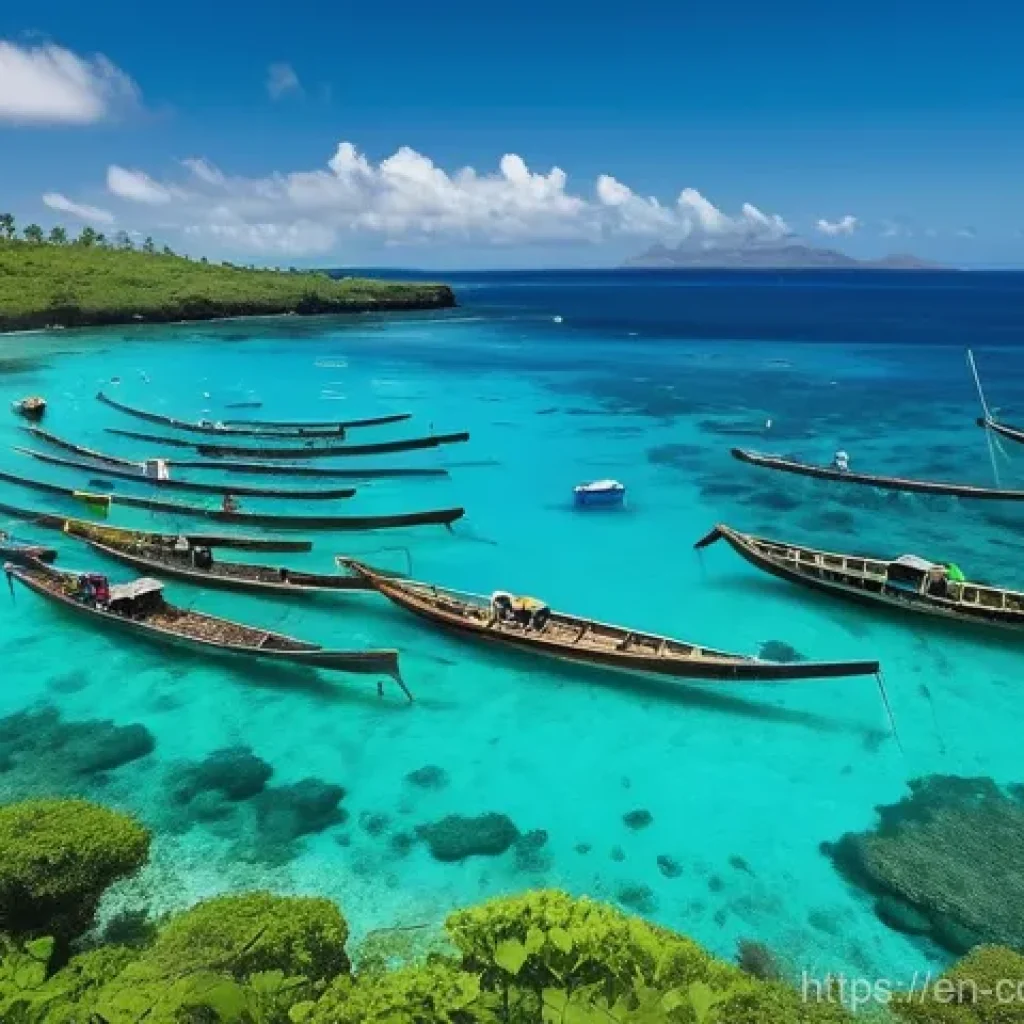
It’s absolutely thrilling to see how the Comoros is carving out a niche in sustainable tourism, truly living up to its moniker as the “Perfume Isles.” What really sets this archipelago apart, in my opinion, is its dedication to something called the ‘blue economy.’ This isn’t just a fancy term; it’s a profound commitment to leveraging their incredible marine resources for economic growth while fiercely protecting them.
I’ve seen firsthand in other coastal communities how this approach can be a game-changer, transforming lives and landscapes. Here, it means integrating tourism with fisheries and conservation in a way that genuinely benefits local families and preserves those pristine ecosystems for generations to come.
The government’s vision, encapsulated in the Plan Comores Émergent 2030, really underscores this commitment, aiming to elevate the country to upper-middle-income status by 2050 through careful, sustainable development.
It’s about building a future where every visitor contributes to a meaningful legacy, not just enjoys a fleeting moment in paradise.
Synergies for Growth: Marine Tourism and Fisheries
When I visited, I couldn’t help but notice the deep connection between the islands’ breathtaking marine life and the livelihoods of its people. It’s not just about pretty coral reefs; it’s about a symbiotic relationship where thriving oceans mean thriving communities.
The potential for marine tourism here is enormous, with projections suggesting a quadrupling of visitor arrivals by 2030, which could significantly boost the GDP by mid-century.
This growth isn’t happening in isolation; it’s carefully intertwined with sustainable fishing practices. For instance, projects led by organizations like FAO and UNEP are actively mapping fishing areas to reduce conflicts and improve local governance, ensuring that the development of ecotourism sites creates “blue” jobs that offer economic alternatives while respecting the environment.
I’ve always believed that when local communities are empowered, true sustainability flourishes, and Comoros is a shining example of this.
Investing in Infrastructure and Connectivity for a Brighter Future
Now, let’s be real, no emerging destination is without its hurdles, and I’ve seen my share of them in my travels. For the Comoros, improving infrastructure and connectivity are crucial pieces of the puzzle.
While the natural beauty is undeniable, getting around and ensuring comfortable stays can sometimes be a bit of an adventure in itself! I’ve experienced firsthand how bumpy roads or limited accommodation options can impact a trip, but what’s exciting is seeing the concerted efforts being made to address these challenges.
There are already projects underway, like upgrades to inter-island ferry links and new hotel developments, signaling a growing confidence in the islands’ tourism potential.
The goal isn’t mass tourism, but rather high-quality, purpose-driven travel that values authenticity over crowds. It’s a tricky balance, but one I believe the Comoros is poised to achieve by focusing on targeted reforms and strategic investments that elevate the visitor experience while remaining true to their sustainable ethos.
Community at the Helm: Empowering Local Livelihoods
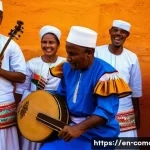
One of the most heartwarming aspects of Comorian tourism, for me, is how deeply embedded local communities are in its development. It’s not just a top-down initiative; it’s a grassroots movement where residents are actively shaping their own future.
From eco-lodges run by families to local guides leading intrepid explorers through volcanic landscapes, their involvement is palpable. I’ve always found that the most authentic travel experiences come from engaging directly with the people who call a place home, and Comoros absolutely delivers on this.
These initiatives are not just about generating income; they’re about fostering pride, preserving cultural heritage, and ensuring that the economic benefits circulate directly within the community.
In Mohéli, for example, locally managed traditional bungalows and village associations play a key role in accommodating visitors, allowing a genuine exchange between travelers and locals.
It’s a powerful model for truly inclusive growth.
Training and Capacity Building: Nurturing Local Talent
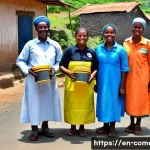
I’ve had the privilege of meeting some of the incredible people who are benefiting from these programs. The energy and enthusiasm are infectious! UNESCO, in partnership with the Ministry for Culture, has been instrumental in supporting “Capacity-Building in Sustainable Tourism Development” since 2020.
This involves equipping national authorities and especially youth guides on all three main islands with the skills they need to welcome visitors while preserving their unique heritage.
I believe that investing in people is the smartest investment a destination can make, and seeing young Comorians learning to tell the stories of their islands, guiding visitors through hidden gems, and promoting responsible practices is truly inspiring.
These training workshops and the comprehensive Sustainable Tourism Management Plan are embedding sustainability at the very heart of the Comoros’ travel narrative.
Direct Economic Impact and Diversification
Beyond the direct interaction, the ripple effect of this community-centric approach is significant. Tourism contributes to the GDP, and while still emerging, it’s a vital sector for poverty alleviation and economic diversification.
In my experience, when locals feel ownership over tourism, they become its fiercest protectors. For instance, the Coelacanth National Park project aims to create “blue” jobs, offering economic alternatives that are environmentally sound and ensuring that income is reinvested directly into communities.
This not only strengthens their resilience against climate change but also promotes better waste and resource management – a win-win in my book! This table gives a glimpse into the direct impact and opportunities:
| Initiative Area | Description | Local Community Benefit |
|---|---|---|
| Eco-lodges & Guest Houses | Accommodations built with natural materials, often locally managed. | Direct income, job creation, cultural exchange. |
| Guided Tours & Activities | Local guides leading excursions (snorkeling, hiking, heritage walks). | Employment, showcasing local knowledge, tips. |
| Sustainable Crafts & Goods | Artisans producing traditional items for sale to tourists. | Preservation of cultural skills, income generation. |
| Marine Conservation Projects | Community-led efforts in marine protected areas (e.g., Mohéli Marine Park). | “Blue jobs,” sustainable fishing, increased fish stocks, ecotourism. |
Unveiling Comoros’ Rich Tapestry: Culture and Nature
One of the main reasons I fell in love with the Comoros is its incredible blend of cultures and untouched natural beauty. It’s not just a pretty face; there’s a deep soul to these islands that whispers tales of Arab traders, Swahili sultans, and vibrant African traditions.
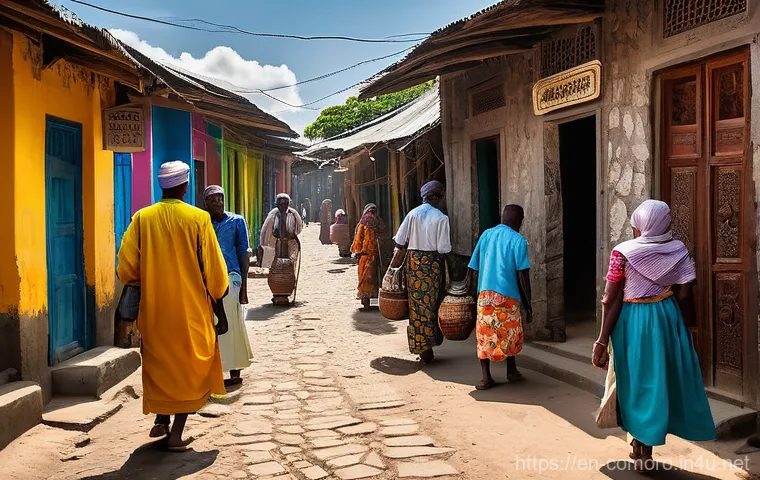
When you wander through the old medinas of Moroni or Mutsamudu, you can almost feel the history emanating from the intricately carved doors and ancient stone alleyways.
This cultural richness, coupled with dramatic volcanic landscapes and pristine marine environments, offers a truly unique travel experience that feels genuinely off-the-beaten-path.
I’ve been to many island nations, but Comoros has a way of captivating you with its authenticity and the sheer warmth of its people.
Cultural Immersion: A Journey Through Time
To truly experience Comoros, you have to dive into its culture. I remember sitting with a local family, savoring aromatic fish curries by lantern light – moments like these are priceless and stay with you long after you’ve left.
The islands’ rich past is visible everywhere, from the iconic Friday Mosque in Moroni to the Sultan’s Palace in Mutsamudu, each telling a story of diverse influences.
It’s more than just sightseeing; it’s about being present, engaging with the traditions, and appreciating the intricate henna designs or vibrant textiles you see.
The Comoros isn’t trying to be a manufactured resort; it’s inviting you to be part of its living, breathing history.
Natural Wonders: From Volcanoes to Underwater Sanctuaries
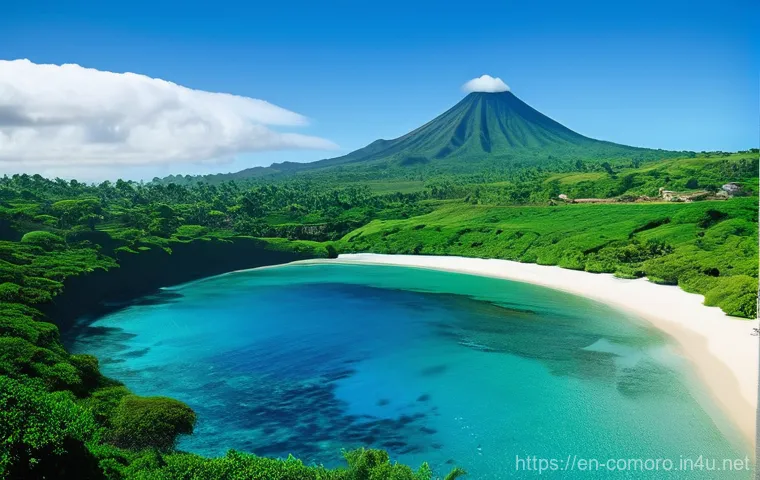
And then there’s the nature. Oh, the nature! Grande Comore boasts the majestic Mount Karthala, an active volcano that dominates the landscape, offering breathtaking views for adventurous hikers.
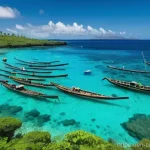
I’ve always been drawn to dramatic landscapes, and Karthala did not disappoint. Then, head to Mohéli, and you enter a diver’s paradise. The Mohéli Marine Park, a UNESCO biosphere reserve since 2020, is an absolute marvel, teeming with vibrant coral reefs, sea turtles (it’s a world-leading nesting site with 30,000 landings each year!), and a dazzling array of marine life.
Snorkeling there was an almost spiritual experience for me; the underwater world is simply alive. It’s this untouched beauty, from towering volcanic peaks to lush rainforests and crystal-clear waters, that truly makes Comoros a hidden gem for nature enthusiasts.
Navigating Challenges and Charting a Path Forward
While the allure of Comoros is undeniable, it’s only fair to talk about the road ahead. Every developing tourism destination faces its own set of challenges, and my travels have taught me that transparency about these hurdles is key to understanding a place’s true potential.
Comoros is not chasing mass tourism, and that’s part of its charm, but it does mean a more deliberate and thoughtful approach to growth. The honest truth is that infrastructure still needs work – think road conditions, waste management, and consistent public services.
However, what I’ve observed is an incredible determination among the Comorian people and their partners to tackle these issues head-on. They see these not as insurmountable obstacles, but as areas for strategic investment and community-led innovation, which I find incredibly encouraging.
Overcoming Logistical Hurdles
My own experience traveling between the islands showed me that while the beauty is abundant, getting from point A to point B can sometimes require a good dose of patience and flexibility.
Inter-island transport, whether by air or sea, can be unpredictable, and the quality of services in some areas still needs improvement to meet international standards.
But I’ve also seen new ferry links being upgraded and discussions around improving domestic flights, which tells me they’re actively working on making the journey smoother for visitors.
It’s a work in progress, but the commitment to enhancing the overall visitor experience is there, and that’s what truly matters for sustainable growth.
Increasing Global Recognition and Market Presence
Let’s face it, for many travelers, Comoros isn’t yet a household name. This lack of international awareness is a significant challenge, but also a unique opportunity for those of us who love exploring truly undiscovered places.
The government and local stakeholders are keenly aware of this and are actively working on branding and positioning strategies to differentiate Comoros from its more established Indian Ocean neighbors like Seychelles or Madagascar.
They’re targeting niche markets – like hikers, nature lovers, and those seeking off-the-beaten-path destinations – which, if you ask me, is exactly the right approach for a place as special and authentic as Comoros.
It’s about drawing in the right kind of traveler, one who appreciates and respects the sustainable vision of these islands.
Adventures in Conservation: Protecting Paradise
Visiting the Comoros, you can’t help but feel a deep connection to its natural wonders. It’s a place where conservation isn’t just a buzzword; it’s a way of life, intrinsically linked to the well-being of the communities.
I’ve always admired destinations that prioritize protecting their environment, and Comoros truly shines here. The sheer biodiversity, from the unique Livingstone’s fruit bat to the nesting sea turtles, is astounding and reminds you why these efforts are so crucial.
It’s not always easy, especially with challenges like climate change and the need for sustainable resource management, but the dedication I’ve witnessed here is truly inspiring.
Marine Parks and Protected Areas
For any marine enthusiast like myself, Mohéli Marine Park is nothing short of a sanctuary. I vividly remember diving there, surrounded by an explosion of coral and fish, and seeing sea turtles gracefully glide by.
It’s a testament to the effective community-led management that has made this area a beacon of conservation. Established in 2000, the park involves local communities directly in managing marine resources, which has led to a remarkable increase in fish biomass and created new opportunities in eco-tourism like snorkeling and marine research.
The Coelacanth National Park is another ambitious project, combining environmental protection with local economic development, actively involving communities in protecting emblematic species like the coelacanth.
These protected areas are not just ecological safeguards; they are economic engines for the people living around them.
Biodiversity Hotspots and Unique Wildlife Encounters
Beyond the underwater marvels, Comoros offers incredible terrestrial biodiversity. Imagine trekking through lush rainforests, keeping an eye out for the rare Livingstone’s fruit bat, an endemic species that adds to the islands’ unique charm.
It’s these kinds of specific, rare wildlife encounters that truly make a destination memorable for me. The volcanic origins of the islands have created diverse habitats, supporting a rich tapestry of flora and fauna that you simply won’t find anywhere else.
Experiencing this firsthand, you realize the immense value of every conservation effort. It’s about protecting not just species, but entire ecosystems that tell a story of ancient natural history.
Crafting Authentic Experiences: Beyond the Beach
While the pristine beaches of Comoros are certainly inviting, what truly captivates me about this destination is the depth of authentic experiences it offers beyond just sunbathing.
It’s about connecting with the soul of the islands, engaging with its people, and discovering a pace of life that feels wonderfully unhurried. I’ve always sought out places where I can feel truly immersed, and the Comoros delivers this in spades, inviting visitors to step away from typical tourist traps and into a world of genuine cultural exchange and natural exploration.
This focus on authentic, experience-driven tourism is a smart strategy, drawing in travelers who value meaning over mere relaxation.
Immersive Cultural Encounters
When I reflect on my time in Comoros, the moments that stand out aren’t just scenic vistas, but the vibrant interactions I had with locals. Picture this: a lively evening market in Moroni, filled with the scents of ylang-ylang and cloves, where I felt completely safe and welcomed, even as an outsider.
Or walking through the ancient stone alleyways of Anjouan, feeling the echoes of history underfoot, truly a heritage walk. These are the kinds of experiences that make a trip unforgettable.
The Comorian culture, a beautiful blend of African, Arab, and Indian influences, is rich and welcoming, encouraging visitors to participate in local traditions and savor authentic Swahili cuisine.
It’s these personal connections and shared moments that transform a trip into a profound memory.
Adventure and Exploration for the Curious Traveler
For those of us with an adventurous spirit, Comoros is an absolute playground. I mean, climbing an active volcano like Mount Karthala on Grande Comore is an experience that truly gets your adrenaline pumping, and the panoramic views from the summit are just breathtaking.
But it’s not just about extreme adventures. Imagine guided snorkeling expeditions in Mohéli’s luminous reefs, kayaking through Shisiwani’s peaceful mangroves, or embarking on self-guided hiking trails to discover hidden waterfalls and panoramic viewpoints.
These activities cater to a desire for active engagement with nature, offering a chance to explore the islands’ unique geographical features and diverse ecosystems up close.
It’s a perfect destination for those looking to swap crowded resorts for genuine exploration.
The Future is Bright: A Vision for Responsible Tourism
As a travel blogger constantly seeking out destinations that are doing things differently, I feel incredibly optimistic about the Comoros. Their commitment to responsible and sustainable tourism is not just talk; it’s a tangible vision being brought to life through dedicated initiatives and the active participation of local communities.
I’ve seen enough places where tourism has gone awry to truly appreciate a destination that prioritizes its people and its planet. The Comoros is steadily building an industry that champions its unique cultural heritage while providing genuine economic opportunities, and that’s a narrative I am thrilled to share.
They are demonstrating that a powerful force for good can evolve from natural beauty, directly impacting the lives of the residents.
Strategic Partnerships and International Support
It’s clear that the Comoros isn’t going it alone. I’ve learned that strategic partnerships with international bodies like UNESCO, UNDP, FAO, and UNEP are providing crucial support and expertise.
These collaborations are essential for capacity building, developing sustainable tourism management plans, and attracting the necessary investments to grow responsibly.
The fact that Mohéli Island was designated a UNESCO biosphere reserve with the support of UNDP through GEF funding truly highlights the success of these partnerships and the international recognition of their conservation efforts.
It gives me immense confidence to see such a holistic approach being taken, ensuring that growth is both sustainable and impactful.
A Model for Emerging Island Nations
In my view, Comoros is setting an incredible example for other small island developing states. They are actively working to balance economic development with environmental preservation, emphasizing community-led initiatives and leveraging their unique “blue economy” potential.
By focusing on niche, purpose-driven travel and investing in their natural and cultural assets, they are creating a distinctive identity in the competitive Indian Ocean tourism market.
It’s a slower, more thoughtful kind of growth, but one that promises long-term prosperity and resilience. I believe that visitors to Comoros won’t just experience paradise; they’ll contribute meaningfully to its preservation and the prosperity of its residents, ultimately helping this beautiful archipelago achieve its ambitious goals for a sustainable future.
Embracing the Blue Economy: A Sustainable Vision
It’s absolutely thrilling to see how the Comoros is carving out a niche in sustainable tourism, truly living up to its moniker as the “Perfume Isles.” What really sets this archipelago apart, in my opinion, is its dedication to something called the ‘blue economy.’ This isn’t just a fancy term; it’s a profound commitment to leveraging their incredible marine resources for economic growth while fiercely protecting them.
I’ve seen firsthand in other coastal communities how this approach can be a game-changer, transforming lives and landscapes. Here, it means integrating tourism with fisheries and conservation in a way that genuinely benefits local families and preserves those pristine ecosystems for generations to come.
The government’s vision, encapsulated in the Plan Comores Émergent 2030, really underscores this commitment, aiming to elevate the country to upper-middle-income status by 2050 through careful, sustainable development.
It’s about building a future where every visitor contributes to a meaningful legacy, not just enjoys a fleeting moment in paradise.
Synergies for Growth: Marine Tourism and Fisheries
When I visited, I couldn’t help but notice the deep connection between the islands’ breathtaking marine life and the livelihoods of its people. It’s not just about pretty coral reefs; it’s about a symbiotic relationship where thriving oceans mean thriving communities.
The potential for marine tourism here is enormous, with projections suggesting a quadrupling of visitor arrivals by 2030, which could significantly boost the GDP by mid-century.
This growth isn’t happening in isolation; it’s carefully intertwined with sustainable fishing practices. For instance, projects led by organizations like FAO and UNEP are actively mapping fishing areas to reduce conflicts and improve local governance, ensuring that the development of ecotourism sites creates “blue” jobs that offer economic alternatives while respecting the environment.
I’ve always believed that when local communities are empowered, true sustainability flourishes, and Comoros is a shining example of this.
Investing in Infrastructure and Connectivity for a Brighter Future
Now, let’s be real, no emerging destination is without its hurdles, and I’ve seen my share of them in my travels. For the Comoros, improving infrastructure and connectivity are crucial pieces of the puzzle.
While the natural beauty is undeniable, getting around and ensuring comfortable stays can sometimes be a bit of an adventure in itself! I’ve experienced firsthand how bumpy roads or limited accommodation options can impact a trip, but what’s exciting is seeing the concerted efforts being made to address these challenges.
There are already projects underway, like upgrades to inter-island ferry links and new hotel developments, signaling a growing confidence in the islands’ tourism potential.
The goal isn’t mass tourism, but rather high-quality, purpose-driven travel that values authenticity over crowds. It’s a tricky balance, but one I believe the Comoros is poised to achieve by focusing on targeted reforms and strategic investments that elevate the visitor experience while remaining true to their sustainable ethos.
Community at the Helm: Empowering Local Livelihoods
One of the most heartwarming aspects of Comorian tourism, for me, is how deeply embedded local communities are in its development. It’s not just a top-down initiative; it’s a grassroots movement where residents are actively shaping their own future.
From eco-lodges run by families to local guides leading intrepid explorers through volcanic landscapes, their involvement is palpable. I’ve always found that the most authentic travel experiences come from engaging directly with the people who call a place home, and Comoros absolutely delivers on this.
These initiatives are not just about generating income; they’re about fostering pride, preserving cultural heritage, and ensuring that the economic benefits circulate directly within the community.
In Mohéli, for example, locally managed traditional bungalows and village associations play a key role in accommodating visitors, allowing a genuine exchange between travelers and locals.
It’s a powerful model for truly inclusive growth.
Training and Capacity Building: Nurturing Local Talent
I’ve had the privilege of meeting some of the incredible people who are benefiting from these programs. The energy and enthusiasm are infectious! UNESCO, in partnership with the Ministry for Culture, has been instrumental in supporting “Capacity-Building in Sustainable Tourism Development” since 2020.
This involves equipping national authorities and especially youth guides on all three main islands with the skills they need to welcome visitors while preserving their unique heritage.
I believe that investing in people is the smartest investment a destination can make, and seeing young Comorians learning to tell the stories of their islands, guiding visitors through hidden gems, and promoting responsible practices is truly inspiring.
These training workshops and the comprehensive Sustainable Tourism Management Plan are embedding sustainability at the very heart of the Comoros’ travel narrative.
Direct Economic Impact and Diversification
Beyond the direct interaction, the ripple effect of this community-centric approach is significant. Tourism contributes to the GDP, and while still emerging, it’s a vital sector for poverty alleviation and economic diversification.
In my experience, when locals feel ownership over tourism, they become its fiercest protectors. For instance, the Coelacanth National Park project aims to create “blue” jobs, offering economic alternatives that are environmentally sound and ensuring that income is reinvested directly into communities.
This not only strengthens their resilience against climate change but also promotes better waste and resource management – a win-win in my book! This table gives a glimpse into the direct impact and opportunities:
| Initiative Area | Description | Local Community Benefit |
|---|---|---|
| Eco-lodges & Guest Houses | Accommodations built with natural materials, often locally managed. | Direct income, job creation, cultural exchange. |
| Guided Tours & Activities | Local guides leading excursions (snorkeling, hiking, heritage walks). | Employment, showcasing local knowledge, tips. |
| Sustainable Crafts & Goods | Artisans producing traditional items for sale to tourists. | Preservation of cultural skills, income generation. |
| Marine Conservation Projects | Community-led efforts in marine protected areas (e.g., Mohéli Marine Park). | “Blue jobs,” sustainable fishing, increased fish stocks, ecotourism. |
Unveiling Comoros’ Rich Tapestry: Culture and Nature
One of the main reasons I fell in love with the Comoros is its incredible blend of cultures and untouched natural beauty. It’s not just a pretty face; there’s a deep soul to these islands that whispers tales of Arab traders, Swahili sultans, and vibrant African traditions.
When you wander through the old medinas of Moroni or Mutsamudu, you can almost feel the history emanating from the intricately carved doors and ancient stone alleyways.
This cultural richness, coupled with dramatic volcanic landscapes and pristine marine environments, offers a truly unique travel experience that feels genuinely off-the-beaten-path.
I’ve been to many island nations, but Comoros has a way of captivating you with its authenticity and the sheer warmth of its people.
Cultural Immersion: A Journey Through Time
To truly experience Comoros, you have to dive into its culture. I remember sitting with a local family, savoring aromatic fish curries by lantern light – moments like these are priceless and stay with you long after you’ve left.
The islands’ rich past is visible everywhere, from the iconic Friday Mosque in Moroni to the Sultan’s Palace in Mutsamudu, each telling a story of diverse influences.
It’s more than just sightseeing; it’s about being present, engaging with the traditions, and appreciating the intricate henna designs or vibrant textiles you see.
The Comoros isn’t trying to be a manufactured resort; it’s inviting you to be part of its living, breathing history.
Natural Wonders: From Volcanoes to Underwater Sanctuaries
And then there’s the nature. Oh, the nature! Grande Comore boasts the majestic Mount Karthala, an active volcano that dominates the landscape, offering breathtaking views for adventurous hikers.
I’ve always been drawn to dramatic landscapes, and Karthala did not disappoint. Then, head to Mohéli, and you enter a diver’s paradise. The Mohéli Marine Park, a UNESCO biosphere reserve since 2020, is an absolute marvel, teeming with vibrant coral reefs, sea turtles (it’s a world-leading nesting site with 30,000 landings each year!), and a dazzling array of marine life.
Snorkeling there was an almost spiritual experience for me; the underwater world is simply alive. It’s this untouched beauty, from towering volcanic peaks to lush rainforests and crystal-clear waters, that truly makes Comoros a hidden gem for nature enthusiasts.
Navigating Challenges and Charting a Path Forward
While the allure of Comoros is undeniable, it’s only fair to talk about the road ahead. Every developing tourism destination faces its own set of challenges, and my travels have taught me that transparency about these hurdles is key to understanding a place’s true potential.
Comoros is not chasing mass tourism, and that’s part of its charm, but it does mean a more deliberate and thoughtful approach to growth. The honest truth is that infrastructure still needs work – think road conditions, waste management, and consistent public services.
However, what I’ve observed is an incredible determination among the Comorian people and their partners to tackle these issues head-on. They see these not as insurmountable obstacles, but as areas for strategic investment and community-led innovation, which I find incredibly encouraging.
Overcoming Logistical Hurdles
My own experience traveling between the islands showed me that while the beauty is abundant, getting from point A to point B can sometimes require a good dose of patience and flexibility.
Inter-island transport, whether by air or sea, can be unpredictable, and the quality of services in some areas still needs improvement to meet international standards.
But I’ve also seen new ferry links being upgraded and discussions around improving domestic flights, which tells me they’re actively working on making the journey smoother for visitors.
It’s a work in progress, but the commitment to enhancing the overall visitor experience is there, and that’s what truly matters for sustainable growth.
Increasing Global Recognition and Market Presence
Let’s face it, for many travelers, Comoros isn’t yet a household name. This lack of international awareness is a significant challenge, but also a unique opportunity for those of us who love exploring truly undiscovered places.
The government and local stakeholders are keenly aware of this and are actively working on branding and positioning strategies to differentiate Comoros from its more established Indian Ocean neighbors like Seychelles or Madagascar.
They’re targeting niche markets – like hikers, nature lovers, and those seeking off-the-beaten-path destinations – which, if you ask me, is exactly the right approach for a place as special and authentic as Comoros.
It’s about drawing in the right kind of traveler, one who appreciates and respects the sustainable vision of these islands.
Adventures in Conservation: Protecting Paradise
Visiting the Comoros, you can’t help but feel a deep connection to its natural wonders. It’s a place where conservation isn’t just a buzzword; it’s a way of life, intrinsically linked to the well-being of the communities.
I’ve always admired destinations that prioritize protecting their environment, and Comoros truly shines here. The sheer biodiversity, from the unique Livingstone’s fruit bat to the nesting sea turtles, is astounding and reminds you why these efforts are so crucial.
It’s not always easy, especially with challenges like climate change and the need for sustainable resource management, but the dedication I’ve witnessed here is truly inspiring.
Marine Parks and Protected Areas
For any marine enthusiast like myself, Mohéli Marine Park is nothing short of a sanctuary. I vividly remember diving there, surrounded by an explosion of coral and fish, and seeing sea turtles gracefully glide by.
It’s a testament to the effective community-led management that has made this area a beacon of conservation. Established in 2000, the park involves local communities directly in managing marine resources, which has led to a remarkable increase in fish biomass and created new opportunities in eco-tourism like snorkeling and marine research.
The Coelacanth National Park is another ambitious project, combining environmental protection with local economic development, actively involving communities in protecting emblematic species like the coelacanth.
These protected areas are not just ecological safeguards; they are economic engines for the people living around them.
Biodiversity Hotspots and Unique Wildlife Encounters
Beyond the underwater marvels, Comoros offers incredible terrestrial biodiversity. Imagine trekking through lush rainforests, keeping an eye out for the rare Livingstone’s fruit bat, an endemic species that adds to the islands’ unique charm.
It’s these kinds of specific, rare wildlife encounters that truly make a destination memorable for me. The volcanic origins of the islands have created diverse habitats, supporting a rich tapestry of flora and fauna that you simply won’t find anywhere else.
Experiencing this firsthand, you realize the immense value of every conservation effort. It’s about protecting not just species, but entire ecosystems that tell a story of ancient natural history.
Crafting Authentic Experiences: Beyond the Beach
While the pristine beaches of Comoros are certainly inviting, what truly captivates me about this destination is the depth of authentic experiences it offers beyond just sunbathing.
It’s about connecting with the soul of the islands, engaging with its people, and discovering a pace of life that feels wonderfully unhurried. I’ve always sought out places where I can feel truly immersed, and the Comoros delivers this in spades, inviting visitors to step away from typical tourist traps and into a world of genuine cultural exchange and natural exploration.
This focus on authentic, experience-driven tourism is a smart strategy, drawing in travelers who value meaning over mere relaxation.
Immersive Cultural Encounters
When I reflect on my time in Comoros, the moments that stand out aren’t just scenic vistas, but the vibrant interactions I had with locals. Picture this: a lively evening market in Moroni, filled with the scents of ylang-ylang and cloves, where I felt completely safe and welcomed, even as an outsider.
Or walking through the ancient stone alleyways of Anjouan, feeling the echoes of history underfoot, truly a heritage walk. These are the kinds of experiences that make a trip unforgettable.
The Comorian culture, a beautiful blend of African, Arab, and Indian influences, is rich and welcoming, encouraging visitors to participate in local traditions and savor authentic Swahili cuisine.
It’s these personal connections and shared moments that transform a trip into a profound memory.
Adventure and Exploration for the Curious Traveler
For those of us with an adventurous spirit, Comoros is an absolute playground. I mean, climbing an active volcano like Mount Karthala on Grande Comore is an experience that truly gets your adrenaline pumping, and the panoramic views from the summit are just breathtaking.
But it’s not just about extreme adventures. Imagine guided snorkeling expeditions in Mohéli’s luminous reefs, kayaking through Shisiwani’s peaceful mangroves, or embarking on self-guided hiking trails to discover hidden waterfalls and panoramic viewpoints.
These activities cater to a desire for active engagement with nature, offering a chance to explore the islands’ unique geographical features and diverse ecosystems up close.
It’s a perfect destination for those looking to swap crowded resorts for genuine exploration.
The Future is Bright: A Vision for Responsible Tourism
As a travel blogger constantly seeking out destinations that are doing things differently, I feel incredibly optimistic about the Comoros. Their commitment to responsible and sustainable tourism is not just talk; it’s a tangible vision being brought to life through dedicated initiatives and the active participation of local communities.
I’ve seen enough places where tourism has gone awry to truly appreciate a destination that prioritizes its people and its planet. The Comoros is steadily building an industry that champions its unique cultural heritage while providing genuine economic opportunities, and that’s a narrative I am thrilled to share.
They are demonstrating that a powerful force for good can evolve from natural beauty, directly impacting the lives of the residents.
Strategic Partnerships and International Support
It’s clear that the Comoros isn’t going it alone. I’ve learned that strategic partnerships with international bodies like UNESCO, UNDP, FAO, and UNEP are providing crucial support and expertise.
These collaborations are essential for capacity building, developing sustainable tourism management plans, and attracting the necessary investments to grow responsibly.
The fact that Mohéli Island was designated a UNESCO biosphere reserve with the support of UNDP through GEF funding truly highlights the success of these partnerships and the international recognition of their conservation efforts.
It gives me immense confidence to see such a holistic approach being taken, ensuring that growth is both sustainable and impactful.
A Model for Emerging Island Nations
In my view, Comoros is setting an incredible example for other small island developing states. They are actively working to balance economic development with environmental preservation, emphasizing community-led initiatives and leveraging their unique “blue economy” potential.
By focusing on niche, purpose-driven travel and investing in their natural and cultural assets, they are creating a distinctive identity in the competitive Indian Ocean tourism market.
It’s a slower, more thoughtful kind of growth, but one that promises long-term prosperity and resilience. I believe that visitors to Comoros won’t just experience paradise; they’ll contribute meaningfully to its preservation and the prosperity of its residents, ultimately helping this beautiful archipelago achieve its ambitious goals for a sustainable future.
Wrapping Up Our Comorian Journey
As we wrap up our incredible journey through the “Perfume Isles,” I hope you’ve felt the same deep connection to the Comoros that I have. It’s more than just a destination; it’s a testament to what happens when a community truly embraces its natural heritage and works together for a sustainable future. My time there truly opened my eyes to the power of thoughtful travel, where every experience, from diving with sea turtles to sharing a meal with a local family, feels like a genuine contribution to something bigger. This archipelago isn’t just offering a getaway; it’s inviting you to be part of a meaningful story, and honestly, that’s the kind of travel that truly rejuvenates the soul and leaves an indelible mark.
Useful Insights for Your Comoros Adventure
Planning a trip to a place as unique as the Comoros definitely involves a bit of insider knowledge, and having experienced it myself, I’ve got some pointers that might just make your visit even more incredible. Here are a few things I learned that I wish I’d known before I went:
1. Embrace the Pace: Things in Comoros tend to move at a more relaxed, island pace. Don’t expect everything to be on a strict schedule. This is part of its charm, but go with an open mind and a flexible itinerary, and you’ll enjoy it so much more. I quickly learned to just breathe and let the day unfold naturally, and it was wonderfully liberating.
2. Local Currency and Cash: While some larger establishments in Moroni might accept cards, cash is king, especially outside the capital. The local currency is the Comorian Franc (KMF), and I’d recommend having plenty on hand for markets, smaller eateries, and local transport. ATMs can be scarce, so plan your cash withdrawals accordingly.
3. Respect Local Culture: Comoros is a predominantly Muslim nation with deep cultural traditions. Dressing modestly, especially when visiting villages or religious sites, is a sign of respect. Learning a few basic phrases in Shikomori or Swahili also goes a long way in connecting with locals – I found their smiles widened instantly when I tried to speak their language!
4. Connectivity Can Be Spotty: Internet access and mobile coverage can be inconsistent, particularly on the outer islands. This can be a blessing for truly disconnecting, but it’s good to be aware if you need to stay connected for work or emergencies. Consider purchasing a local SIM card upon arrival for better reliability, though even then, patience is key!
5. Sustainable Travel is Key: The Comoros is deeply committed to eco-tourism and conservation. As a visitor, you have a vital role to play. Choose locally-owned accommodations and guides, minimize your plastic waste, and always respect marine life and natural habitats. Leaving only footprints and taking only memories ensures this paradise remains pristine for future generations – it’s something I felt very strongly about during my visit.
Key Takeaways for the Conscious Traveler
What truly stands out about the Comoros is its unwavering dedication to building a sustainable future, a journey you can actively be a part of. My trip reinforced how their ‘blue economy’ model isn’t just theory; it’s a living, breathing commitment where marine conservation directly empowers local communities. From the thriving Mohéli Marine Park to the ambitious Coelacanth National Park, every effort is geared towards protecting their incredible biodiversity while creating genuine economic opportunities for residents. The islands offer a profound blend of rich cultural heritage and untouched natural beauty, inviting adventurers and culture enthusiasts alike to delve into experiences far beyond the typical resort vacation. Yes, there are ongoing infrastructure developments, but this only adds to the charm of an undiscovered gem, promising authentic encounters for those seeking a truly unique and meaningful travel experience. It’s a destination that reminds us that sustainable tourism isn’t just possible, it’s thriving, offering a powerful example of how development can harmoniously coexist with preservation, leaving both visitors and locals with a richer, more hopeful outlook for the future.
Frequently Asked Questions (FAQ) 📖
Q: How exactly does visiting the Comoros directly benefit the local communities, beyond just seeing the beautiful sights?
A: This is such a fantastic question, and it’s something I always think about when I travel. What I’ve seen in the Comoros, and what truly sets it apart, is how genuinely dedicated they are to making tourism a force for good right on the ground.
When you visit, your money isn’t just disappearing into some big international corporation; it’s actively circulating within the local economy. I’ve personally stayed in charming eco-lodges that are owned and managed by local families, giving them a direct stake and income from your stay.
Beyond that, many programs focus on youth empowerment, training young Comorians in sustainable crafts, hospitality, and guiding. So, when you buy a handcrafted souvenir, hire a local guide for a hike through the volcanic landscapes, or enjoy a meal prepared with local ingredients, you’re directly supporting these individuals and their families.
It’s not just about job creation; it’s about building skills, fostering entrepreneurship, and preserving their unique cultural heritage through economic empowerment.
You’re essentially investing in the people and their future, and that feels incredibly rewarding as a traveler.
Q: What kind of unique, sustainable travel experiences can I really expect in the “Perfume Isles” that I wouldn’t find elsewhere?
A: Oh, you are in for a treat! The Comoros is truly a gem, offering experiences that feel deeply authentic and truly connected to nature and culture. Forget your typical resort vacation; here, it’s about immersion.
From my own adventures, I can tell you that one of the most memorable things is exploring the pristine marine reserves. Imagine snorkeling or diving in waters where conservation efforts are paramount, swimming alongside vibrant marine life, and knowing your visit is contributing to protecting these delicate ecosystems.
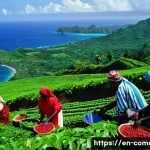
Then there’s the chance to visit vanilla and ylang-ylang plantations – these are the “Perfume Isles,” after all! You can learn directly from the farmers about their traditional cultivation methods, and the scents… they are just incredible.
I also found the community-led excursions so enriching, like hiking with local guides to discover hidden waterfalls or learning traditional cooking techniques with a Comorian family.
It’s not just seeing a place; it’s experiencing its soul through its people and its incredibly preserved natural beauty. It’s a mindful way to travel that leaves a lasting impression.
Q: What are the biggest hurdles the Comoros faces in developing its sustainable tourism, and what’s their long-term vision?
A: That’s a very insightful question, highlighting the realities of developing a destination like the Comoros. From what I’ve observed and learned from local folks, they definitely face some significant hurdles.
One of the primary challenges is improving infrastructure – things like reliable transportation, consistent electricity, and better communication networks are crucial for supporting tourism growth and making it easier for visitors to explore.
Gaining more international recognition is another big one; many people simply don’t know about this incredible archipelago, so increasing awareness is key.
However, what truly inspires me is their clear and ambitious long-term vision. They’re not just aiming for more tourists; they’re strategically working towards becoming an upper-middle-income country by 2050, largely driven by a robust blue economy strategy.
This means they’re committed to sustainable development, focusing on marine resources, eco-tourism, and empowering their local population. They understand that by nurturing their environment and their people, they can create a sustainable tourism industry that offers unforgettable experiences while genuinely improving the lives of everyone who calls these islands home.
It’s a holistic approach that gives me immense hope for their future.