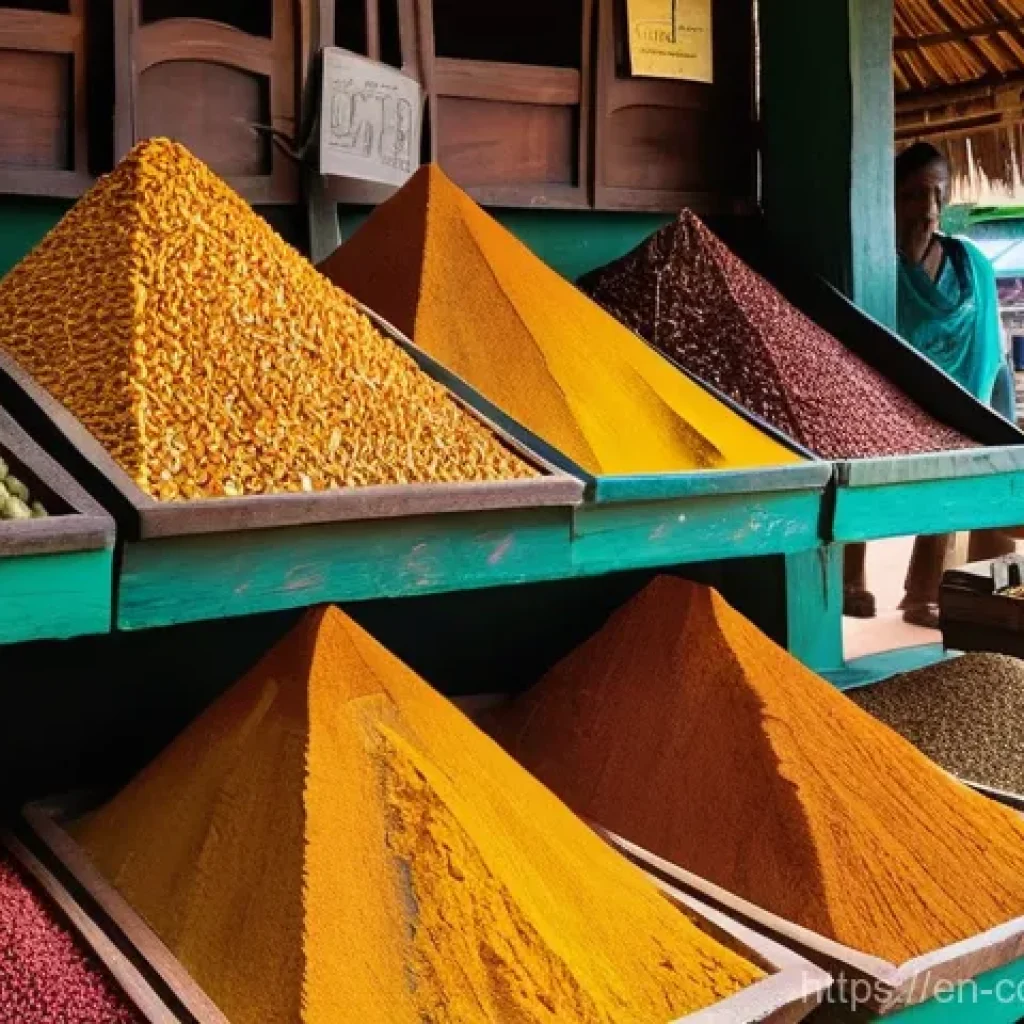
Stepping into the spice markets of Comoros wasn’t just a casual visit; it was an absolute awakening for every single one of my senses. Believe me, I’ve had the privilege of exploring vibrant souks and bustling bazaars all over the world, but nothing, and I mean nothing, truly prepared me for the intoxicating aromas and the sheer kaleidoscope of colors that greeted me in these incredible island havens.
Imagine plump vanilla beans bursting with their sweet fragrance, or the fiery, aromatic kick of freshly dried cloves—each and every stall tells a captivating story of ancient traditions and the rich, fertile earth.
It’s an authentic, immersive experience that deeply connects you to the beating heart of what we lovingly call the “Perfume Isles,” offering a glimpse into a way of life that beautifully persists, even as the world around it races towards modern globalization.
Ready to uncover the secrets these markets hold and see how they continue to shape the future of global flavors? Let’s definitely explore it together, I promise you won’t regret it!
A Sensory Explosion: More Than Just Spices
The Visual Feast of Market Stalls
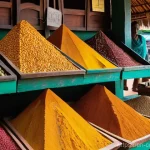
Honestly, the first thing that hits you, even before the aroma completely envelops you, is the sheer visual spectacle. It’s like walking into a painting where every brushstroke is a different shade of earthy brown, vibrant red, or golden yellow. Piles of dried vanilla pods, glistening with their natural oils, lay next to pyramids of deep mahogany cloves. The turmeric, ginger, and cinnamon bark create a tapestry of colors that genuinely takes your breath away. I remember seeing a woman meticulously arranging sprigs of fresh mint and lemongrass, their bright greens popping against the rustic backdrop of the wooden stalls. It’s not just about selling goods; it’s about presenting a heritage, a legacy, in the most appealing way possible. My eyes just darted from one beautiful display to another, trying to soak in every single detail, feeling absolutely overwhelmed in the best possible way. This isn’t your average grocery store trip; this is a full-blown artistic display of nature’s bounty.
The Olfactory Journey Through Comorian Air
But then, oh then, the scents! Seriously, if you could bottle the air in a Comorian spice market, it would be the most sought-after perfume in the world. As I wandered deeper, the sweet, creamy notes of vanilla mingled with the sharp, almost medicinal scent of cloves. There was also the bright, citrusy tang of lemongrass and a deep, musky undertone from some unidentified root or herb. It’s a complex symphony of fragrances that tells a story of the island’s rich soil and tireless cultivation. I distinctly recall pausing by a stall overflowing with ylang-ylang flowers, their intensely sweet, floral aroma washing over me, making me feel utterly transported. It’s not just a pleasant smell; it’s an experience that awakens memories you didn’t even know you had, an almost spiritual connection to the earth and the hands that harvest these treasures. Every breath felt like a journey, a deep dive into the essence of these magical islands.
Vanilla’s Whisper: The Queen of Comoros
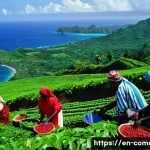
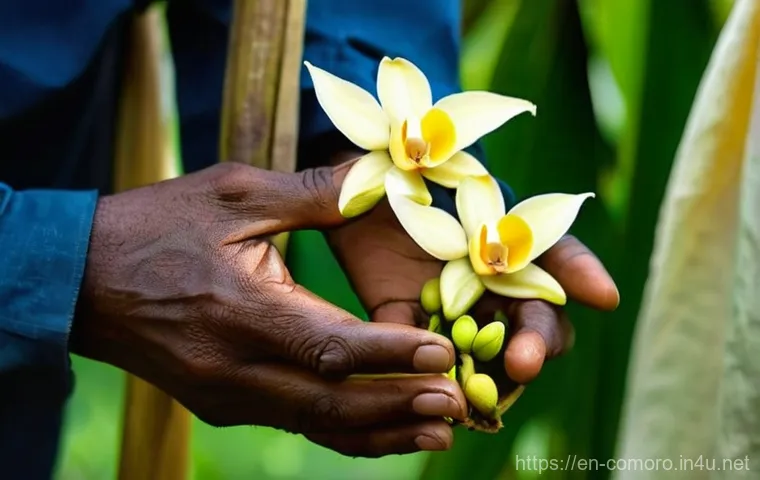
When you talk about Comoros, you simply cannot avoid talking about vanilla. It’s not just a spice here; it’s a way of life, an identity. I had always appreciated vanilla in my baking, but seeing it in its raw, unprocessed glory, learning about the incredible effort that goes into each pod, completely changed my perspective. The vanilla here isn’t just a flavoring; it’s a testament to patience, skill, and the island’s unique microclimate. The farmers I spoke with, their hands weathered by years of dedicated work, talked about their vanilla vines with a tenderness usually reserved for family members. It’s a labor of love that begins long before the beans even reach the market, a process steeped in tradition and passed down through generations. I felt a profound sense of respect for every single bean after witnessing firsthand the journey it takes from the vine to my kitchen.
From Blossom to Bean: A Labor of Love
The journey of a vanilla bean from a delicate orchid blossom to the plump, aromatic pod we recognize is nothing short of miraculous, and it’s almost entirely a human endeavor here. In Comoros, just like in Madagascar, the vanilla orchids must be hand-pollinated. Yes, you heard that right – someone, often very early in the morning, goes to each flower with a small stick, carefully lifting a flap to transfer pollen. It’s an incredibly delicate and time-consuming process that just blew my mind! After pollination, it takes months for the beans to mature, and then they undergo a meticulous curing process involving sunning and sweating, which develops their iconic flavor and aroma. I saw farmers carefully spreading the beans on mats under the tropical sun, turning them by hand, day after day. This isn’t factory farming; this is artisanal craftsmanship, where every step is performed with an almost reverent attention to detail. It’s a testament to why real vanilla is so much more expensive and precious than its artificial counterparts.
The Economic Pulse of Comorian Vanilla
Beyond its culinary allure, vanilla is a huge economic driver for Comoros, providing livelihoods for countless families across the islands. It’s a primary export, and the fluctuations in global vanilla prices can have a profound impact on local communities. While walking through the market, I couldn’t help but notice how many conversations revolved around the vanilla harvest and the going rates. Farmers are intensely proud of their vanilla, knowing that their hard work contributes significantly to the national economy and helps support their families. It creates a vibrant trading environment, one where the quality of the bean directly translates into better opportunities for the growers. I felt a real sense of connection to this global commodity, understanding its tangible link to the lives of the people producing it. It’s a powerful reminder that every vanilla-infused dessert we enjoy has a rich backstory rooted deeply in these beautiful islands.
Cloves and Ylang-Ylang: The Unsung Heroes
While vanilla often steals the spotlight, the Comorian markets are also treasure troves for other incredible spices, particularly cloves and ylang-ylang. These aren’t just secondary players; they’re superstars in their own right, each contributing a unique character to the islands’ aromatic tapestry. I was utterly captivated by the intensity of the cloves and the sheer versatility of ylang-ylang. It’s fascinating how these distinct flavors and fragrances can coexist and thrive in the same fertile environment, creating a truly diverse spice economy. These ‘unsung heroes’ deserve just as much attention and appreciation for their contribution to both local culture and global markets. My visit certainly opened my eyes to the incredible depth of Comoros’ natural bounty beyond just the famous vanilla.
The Fiery Kick of Comorian Cloves
Oh, the cloves! You know that warm, slightly fiery, deeply aromatic scent of a perfect clove? Well, imagine that multiplied by a thousand. The Comorian cloves are simply magnificent. They are harvested from the buds of an evergreen tree, and I learned that the timing of the harvest is absolutely crucial for their potency and flavor. I saw them piled high in rustic baskets, their distinct shape and deep reddish-brown color creating another beautiful visual. I even got to chew on a fresh one, and let me tell you, that intense, numbing sensation was an unforgettable experience. It’s not just for holiday baking; these cloves are a staple in local cuisine, providing a rich, complex flavor to savory dishes and traditional teas. The farmers take immense pride in their clove trees, some of which have been yielding for generations. It’s a testament to the enduring agricultural traditions of the islands, producing a spice that truly packs a punch.
Ylang-Ylang’s Sweet Embrace: An Essential Oil Powerhouse
And then there’s ylang-ylang, a flower whose intensely sweet and intoxicating fragrance is often used in high-end perfumes and aromatherapy. Comoros is one of the world’s leading producers of ylang-ylang essential oil, and wandering through the markets, you’ll catch wafts of its distinctive scent. I was absolutely enchanted by the delicate yellow-green flowers, their petals curling gracefully. It’s not something you typically buy in a market like a culinary spice, but its presence is undeniable, a constant, sweet undertone in the island air. The distillation process to extract the essential oil is complex and fascinating, a true art form. Learning about its extensive use in fragrances and traditional remedies made me appreciate its value even more. It’s another powerful example of how these islands contribute unique and highly sought-after natural products to the global market, showcasing their incredible botanical richness.
Connecting with the Locals: Faces Behind the Flavors
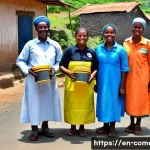
My absolute favorite part of traveling anywhere is connecting with the people, and the Comorian spice markets were no exception. Beyond the incredible products, it’s the warmth, the stories, and the genuine hospitality of the vendors that truly made my experience unforgettable. There’s a beautiful, unhurried rhythm to interactions here, a stark contrast to the rush of modern life. I found myself engaging in delightful conversations, learning not just about spices, but about family histories, local customs, and the quiet dignity of their daily lives. These aren’t just transactions; they’re cultural exchanges that enrich your soul and make you feel truly connected to the heart of the community. It’s these human connections that transform a simple visit into a profound, cherished memory, making me want to return again and again.
Sharing Stories Over a Cup of Spice Tea
I distinctly remember stopping at a small stall where an elderly woman was selling an assortment of dried herbs and spices. Her smile was incredibly welcoming. I pointed to a blend that smelled particularly intriguing, and she immediately offered me a small, steaming cup of tea made from it. It was warm, fragrant, and instantly comforting. As I sipped, she, through a little translation help from a younger vendor nearby, told me stories of her grandmother making similar blends for ailments and celebrations. It wasn’t about selling; it was about sharing. We sat there for what felt like ages, just enjoying the moment, the flavors, and the connection. These informal encounters, over a simple cup of tea or a shared laugh, are the real gems of market exploration, offering an authentic glimpse into the soul of a place that you simply can’t find in any guidebook. It truly felt like being welcomed into someone’s home, a precious and rare experience.
The Art of Bartering: A Cultural Dance
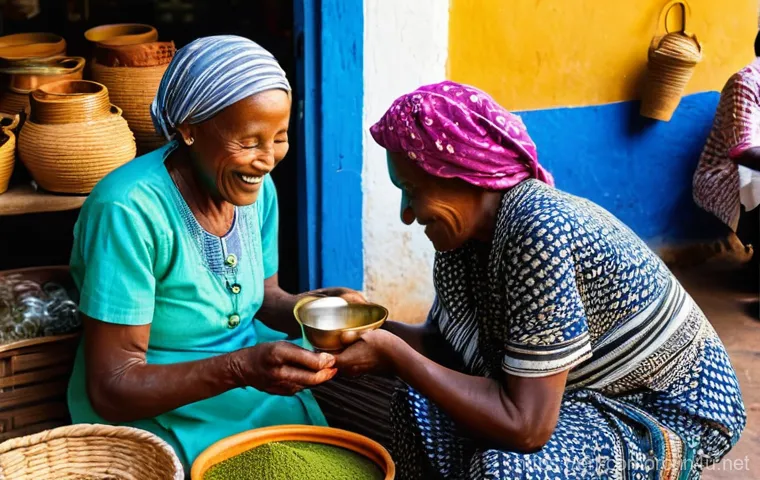
Now, let’s talk about bartering – it’s an absolute must-do in these markets, and it’s less about getting a rock-bottom price and more about engaging in a friendly, traditional dance of negotiation. I’ve had some awkward bartering experiences elsewhere, but in Comoros, it felt genuine and good-natured. It’s a skill, and honestly, a form of respectful interaction. You offer a price, the vendor counters, and you go back and forth with smiles and maybe a few playful gestures. I found that being polite, showing genuine interest in their products, and having a good sense of humor went a long way. It’s not about being aggressive; it’s about building a connection and showing that you value their craft and their time. I walked away with some fantastic spices and a huge grin, not just because of the purchase, but because of the wonderful interaction I had just shared. It’s a cultural experience that makes you feel a part of the vibrant market life.
| Comorian Spice | Common Uses | Unique Characteristic |
|---|---|---|
| Vanilla Beans | Baking, desserts, perfumes, extracts | Hand-pollinated, intensely sweet, aromatic pods |
| Cloves | Cooking (savory & sweet), teas, traditional medicine | Pungent, warm, slightly numbing flavor |
| Ylang-Ylang | Essential oils, perfumes, aromatherapy | Intensely floral, sweet, exotic fragrance |
| Turmeric | Curries, stews, traditional remedies | Earthy, slightly bitter, vibrant yellow color |
| Cinnamon Bark | Baking, beverages, savory dishes | Warm, sweet, woody aroma and flavor |
Bringing the Comoros Home: Culinary Adventures
After immersing myself in the rich tapestry of the Comorian spice markets, I couldn’t wait to bring a piece of that magic back to my own kitchen. There’s something incredibly special about cooking with ingredients that carry such a profound story and history. It’s not just about adding flavor; it’s about infusing your meals with the spirit of the “Perfume Isles,” allowing those intoxicating aromas to transport you back to those bustling stalls. I felt a real sense of mission to honor the dedication of the farmers and vendors by using these precious spices to create something delicious and memorable. It’s an adventure that extends far beyond the journey itself, allowing the essence of Comoros to linger in your home and on your palate long after you’ve returned.
Infusing Your Kitchen with Island Magic
When I finally got back to my own kitchen, bags brimming with fragrant treasures, I was practically buzzing with excitement to start experimenting. The vanilla beans, so plump and oily, went straight into a jar of sugar to create my own vanilla sugar, and I’ve been using it in everything from morning coffee to homemade whipped cream. The cloves found their way into a slow-cooked lamb stew, adding a depth of flavor that was absolutely divine. And that mysterious spice blend I tried in the tea at the market? I’m recreating it bit by bit, hoping to capture that same comforting warmth. It’s truly incredible how these simple ingredients can elevate everyday cooking into something extraordinary, making each meal a little celebration of global flavors. My kitchen now smells faintly of Comoros, a sweet and spicy reminder of an incredible journey.
Recipes from the “Perfume Isles”
Inspired by the conversations I had and the flavors I tasted, I’ve been diving deep into Comorian-inspired recipes. One of my favorites is a simple yet profoundly flavorful vanilla chicken, where the subtle sweetness of the vanilla perfectly complements the savory chicken and a hint of ginger. Another dish I’ve fallen in love with is a spiced fish curry, rich with turmeric, cloves, and a touch of fresh chili, reminiscent of the island’s coastal bounty. It’s not just about following a recipe; it’s about understanding the balance of flavors that defines Comorian cuisine – often a blend of African, Arab, and Indian influences. These dishes aren’t overly complicated, but they rely on the quality and freshness of the spices to shine. Trust me, incorporating these authentic Comorian spices into your cooking will transform your meals and transport your taste buds straight to the heart of the “Perfume Isles.”
The Future of Flavor: Sustainability in Comorian Spice Trade
Beyond the immediate sensory delights and the joy of culinary discovery, my time in Comoros also made me deeply reflect on the future of its spice trade. It’s not just about today’s harvest; it’s about ensuring these precious traditions and the livelihoods they support can continue for generations to come. The local farmers and vendors, in their quiet dedication, are the true custodians of this heritage. Witnessing their practices, many of which are inherently sustainable, gave me hope. However, global market demands and climate change pose real challenges. It became clear to me that supporting fair trade initiatives and understanding the origins of our spices isn’t just a nice-to-do; it’s essential for preserving this unique ecosystem and its cultural richness. We, as consumers, have a powerful role to play in shaping a more sustainable future for these incredible “Perfume Isles.”
Preserving Traditions for Generations to Come
One of the most striking aspects of the Comorian spice trade is its deep roots in tradition. Many of the farming and processing methods, like the hand-pollination of vanilla or the sun-drying of cloves, have been passed down through countless generations. This isn’t just about efficiency; it’s about maintaining a connection to the land and to ancestral knowledge. I spoke with a young farmer who was learning the vanilla curing process from his grandfather, a beautiful example of this intergenerational transfer of expertise. Preserving these traditions is absolutely vital, not just for the authenticity of the products but also for the cultural identity of the Comorian people. It’s a fight against the tide of industrialization, a quiet insistence on quality and heritage over mass production. And honestly, it makes the spices taste even better when you know the story and care behind them.
Empowering Local Communities Through Fair Trade
My visit underscored the critical importance of fair trade practices in the global spice industry. When you buy spices directly from markets like those in Comoros, or from reputable sources that prioritize fair compensation, you are directly empowering the local communities. This isn’t just a buzzword; it translates into better lives for farmers, allows them to invest in their farms, educate their children, and maintain their traditional way of life. I saw firsthand the dedication and hard work that goes into producing these high-quality spices, and it made me even more passionate about seeking out products that support ethical sourcing. Choosing fair trade isn’t just about being a responsible consumer; it’s about being an active participant in building a more equitable world, ensuring that the incredible flavors of Comoros can continue to enrich lives both on the islands and across the globe.
Wrapping Things Up
And just like that, our incredible journey through the aromatic heart of the Comoros spice markets comes to a delightful close. Honestly, it feels like only yesterday I was stepping off the plane, completely unaware of the sensory explosion that awaited me. This trip wasn’t just about discovering new spices; it was about connecting with a vibrant culture, understanding the immense dedication behind every single pod and petal, and truly appreciating the intricate dance between nature and human endeavor. I’ve left a piece of my heart in these “Perfume Isles,” and I truly hope you’ve felt a little bit of that magic too, right through your screen. It’s an experience that’s deepened my appreciation for global flavors and the incredible stories they carry. So, go on, let these islands inspire your next culinary adventure – you won’t regret it!
Useful Information to Keep in Mind
1. When you’re venturing into any vibrant spice market, especially one as rich and authentic as those in Comoros, always engage your senses first. Before you even think about buying, take your time to truly breathe in the aromas, observe the colors, and even touch the textures of the spices. I found that this sensory immersion not only enhances the experience but also helps you identify genuinely fresh and high-quality products. Look for plump, oily vanilla beans, intensely colored turmeric, and fragrant, intact clove buds. If something looks dull or smells faint, it’s probably not at its peak. Don’t be shy about asking to smell or even taste a tiny sample (if offered and appropriate) – it’s part of the fun and ensures you’re getting exactly what you envision for your culinary masterpieces back home. This initial exploration can save you from impulse buys and ensure your kitchen is stocked with the very best. Trust your gut, and more importantly, trust your nose!
2. Honing your bartering skills is absolutely key, and it’s less about aggressively driving down prices and more about a respectful cultural exchange. My personal approach is to always start with a friendly smile and genuine interest in the product. Ask a few questions about where the spices come from or how they’re traditionally used – this builds rapport. When it comes to the price, offer a reasonable counter-offer, usually around 20-30% below their initial ask, but be prepared to meet somewhere in the middle. Remember, for many vendors, this is their livelihood, so it’s about finding a fair price for both parties. I often find a little humor goes a long way; a shared laugh can break any tension and make the negotiation feel like a fun game rather than a confrontation. Walking away with a good deal feels great, but walking away with a good connection and a sense of mutual respect feels even better, adding another layer to your travel memories.
3. Once you’ve brought your precious spice treasures home, proper storage is paramount to preserving their potency and flavor. My go-to method for whole spices like Comorian cloves or cinnamon bark is airtight glass jars, stored in a cool, dark pantry away from direct sunlight and heat. For vanilla beans, I actually keep them in a sealed container, sometimes even in a bit of rum or vodka to keep them supple and enhance their longevity, changing the liquid every few months. Ground spices have a shorter shelf life, so I tend to buy those in smaller quantities. The worst enemies of spices are air, light, heat, and moisture, which can quickly degrade their essential oils and vibrant colors. Think of them as delicate perfumes for your food; you wouldn’t leave a fine fragrance uncapped in the sun, would you? Treating your spices with this level of care ensures that every dish you prepare with them is as fragrant and flavorful as the day you bought them from the bustling markets.
4. Don’t just stick to what you know – dive into local Comorian cuisine to truly understand how these spices sing together. While I was there, I made an effort to try as many traditional dishes as possible, from spiced fish curries to sweet vanilla-infused desserts. This gave me invaluable insight into how the locals balance flavors, what spices are paired together, and the nuances of their culinary heritage. Don’t be afraid to ask vendors for simple recipe ideas or observe how street food is prepared. Many of the most delicious dishes are incredibly simple, relying heavily on the quality of the spices themselves. I even found a lovely woman at a vanilla stall who sketched out a quick recipe for a vanilla chicken dish on a piece of scrap paper – it’s now a staple in my home! Experiencing the food directly will not only expand your palate but also provide authentic inspiration for your own kitchen experiments, allowing you to bring the true taste of the “Perfume Isles” home.
5. Finally, and perhaps most importantly, always consider the sustainability and ethical sourcing of your spices. The incredible flavors of Comoros are the result of dedicated farmers and a unique ecosystem. Supporting fair trade initiatives or purchasing from vendors who clearly value their community and the environment is crucial for ensuring these traditions continue. When you choose ethically sourced spices, you’re not just buying a product; you’re investing in livelihoods, promoting sustainable agricultural practices, and helping to preserve a precious cultural heritage. I found myself asking vendors about their farming methods and how they manage their harvests, and their pride in their sustainable practices was evident. As consumers, our choices have power. By being mindful about where our spices come from, we can contribute to a more equitable and environmentally responsible global spice trade, allowing the magic of the “Perfume Isles” to thrive for generations to come. It truly makes every sprinkle feel more meaningful.
Key Takeaways
My journey through the Comorian spice markets was far more than a simple shopping trip; it was a profound immersion into a culture steeped in aroma and tradition. I’ve learned that vanilla, cloves, and ylang-ylang aren’t just commodities here; they are the very heartbeat of the islands, meticulously cultivated with generations of knowledge and love. The warmth of the local people, their stories, and their unwavering dedication to their craft transformed every interaction into a cherished memory. It underscored for me the importance of supporting fair trade practices, understanding the journey of our food, and appreciating the human connection woven into every single spice. Bringing a piece of Comoros home means not just enjoying incredible flavors, but also honoring a sustainable heritage that deserves our utmost respect and support. It’s a vivid reminder that the best culinary adventures always begin with a deeper understanding of the world.
Frequently Asked Questions (FAQ) 📖
Q: What exactly makes the spice markets in Comoros so uniquely captivating, even for a seasoned traveler who’s explored markets worldwide?
A: Oh, that’s a question I get asked all the time, and honestly, it’s one of my absolute favorite things to reflect on! You know, I’ve had the privilege of wandering through incredible souks from Marrakech to Istanbul, but stepping into the Comorian markets was an entirely different experience.
It wasn’t just another market; it was an absolute sensory explosion that truly blindsided me – in the most wonderful way possible! What truly sets them apart, for me anyway, is the sheer intensity of the aromas and the stories etched into every single stall.
It’s not just about buying spices; it’s about experiencing a living, breathing tradition. I still remember the air being so thick with the sweet, almost creamy scent of vanilla – and not just any vanilla, mind you, but these incredibly plump, glossy beans, so fragrant they practically sing.
Then there’s the fiery zing of fresh cloves and the warm, earthy notes of nutmeg, all sourced right there from the fertile volcanic soil. It’s this deep, almost spiritual connection to the earth and the centuries-old cultivation practices that truly makes them stand out.
It feels less like a commercial transaction and more like stepping back in time, where every scent and every color tells a captivating story of the “Perfume Isles” itself.
It’s a genuine, immersive dive into a culture that embraces its rich heritage, and believe me, you truly feel that authenticity with every breath.
Q: How do these age-old traditions and the vibrant spices from Comoros actually connect with and shape the global culinary scene and modern flavors we see today?
A: This is where it gets really, really fascinating, isn’t it? It’s easy to think of these markets as purely traditional, almost a relic of the past, but in my experience, they’re very much alive and constantly influencing what we taste and cook globally.
Think about it: Comoros is one of the world’s leading producers of vanilla, cloves, and ylang-ylang, which isn’t just a perfume ingredient, but also a subtle flavor enhancer in some incredibly inventive cuisines.
These aren’t just local commodities; they’re integral to high-end kitchens and even our everyday pantries around the globe. I’ve personally seen how top chefs are increasingly seeking out these authentic, ethically sourced spices directly from places like Comoros.
They’re looking for that deep, unparalleled flavor profile that only comes from centuries of perfected cultivation and processing. When you taste a dessert infused with genuine Comorian vanilla, there’s a richness and a nuance you simply can’t get from synthetic alternatives.
And it’s not just chefs; even at home, people are becoming more adventurous, more curious about where their ingredients come from, and how those origins impact the final dish.
These markets are a direct, vibrant link, ensuring that the ancient traditions of spice cultivation continue to enrich and inspire modern culinary innovations, keeping our global palates endlessly excited and craving new, authentic experiences.
Q: If I were lucky enough to visit, what would be your top “must-experience” recommendation or a specific spice I should definitely seek out in the Comorian markets?
A: Oh, if you ever get the chance, you absolutely, unequivocally must go! It’s an unforgettable journey for all your senses. My number one “must-experience” isn’t just about a single spice, but rather the entire vibe of engaging with the local vendors.
Don’t be shy at all! I always encourage people to strike up conversations, ask about their families’ traditions, and truly connect. That’s where the magic really happens, and you’ll often get to taste or smell things you wouldn’t otherwise discover.
As for a specific spice, while the vanilla and cloves are spectacularly famous for good reason, my personal, perhaps slightly unconventional, recommendation would be to seek out their locally harvested ylang-ylang flowers, even though it’s primarily used for essential oils.
You might find dried petals or even the pure oils being sold. The fragrance is unbelievably intoxicating – a sweet, floral, slightly fruity aroma that’s just so incredibly unique to these islands.
It’s an ingredient you won’t find at this quality and freshness just anywhere, and experiencing it firsthand truly encapsulates the essence of the “Perfume Isles.” Beyond that, definitely indulge in tasting their freshly ground nutmeg and perhaps even some of the local, handmade curry blends.
But honestly, the real golden tip is to let your nose lead the way and be open to whatever captivating aroma pulls you in. Trust me, your senses will absolutely thank you for it!