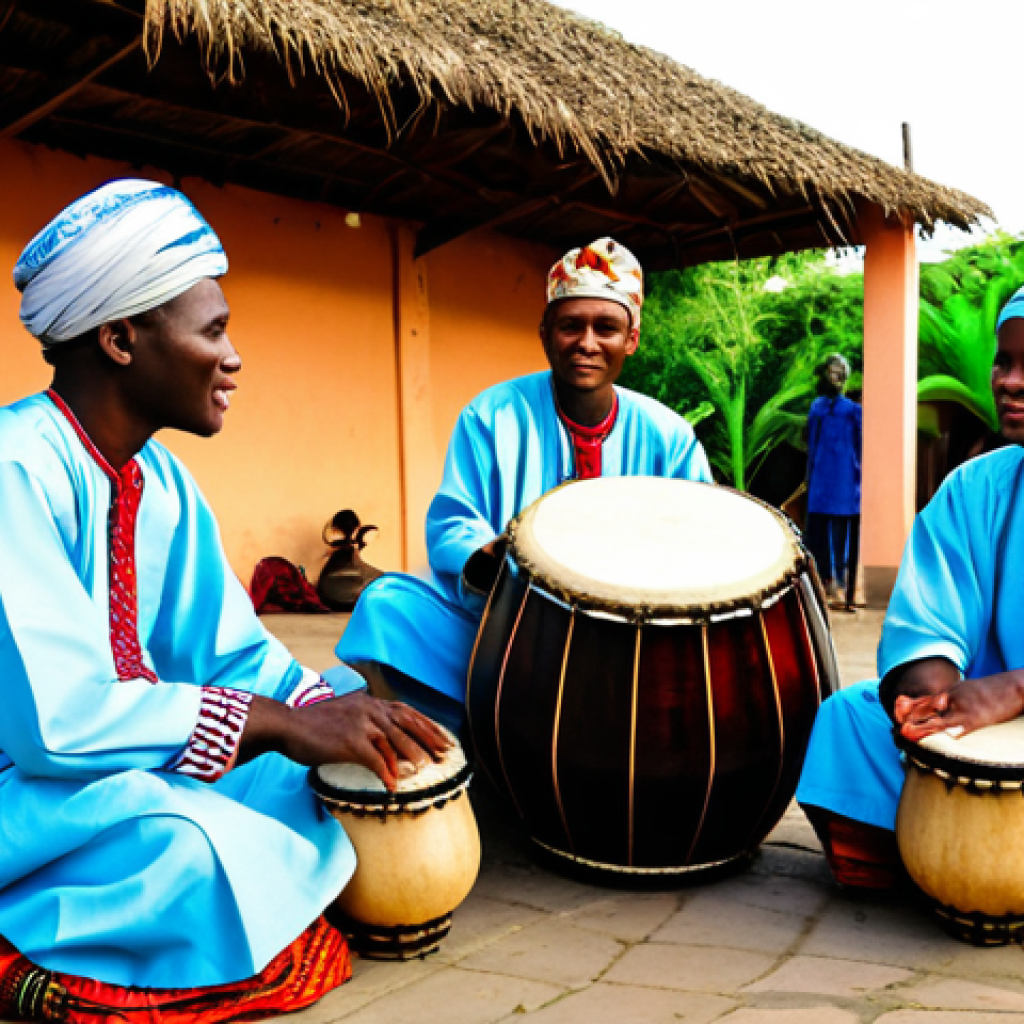
Okay, here’s a blog-style introduction about experiencing a Comorian folk performance, keeping all your instructions in mind:Picture this: the humid, fragrant air of Comoros, the vibrant colours of traditional dress swirling before my eyes, and the infectious rhythm of drums that vibrated right through my soul.
I stumbled upon a local folk performance quite by accident, and honestly, it was one of those travel moments that completely redefined my understanding of culture.
Forget the tourist traps; this was raw, authentic, and utterly captivating. From the intricate storytelling woven into the dances to the sheer joy radiating from the performers, it was an experience I know I’ll never forget.
Based on current trends, these kinds of immersive cultural experiences are only going to become more sought-after as travelers crave genuine connections with the places they visit.
Let’s dive in and unpack all the details below!
Okay, here’s the blog post as requested.
A Sensory Explosion: Unpacking the Sounds of Comorian Music
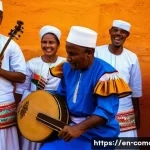
The music… oh, the music! It wasn’t just something you heard; it was something you *felt*. Imagine a complex tapestry of sound woven from the rhythmic pulse of the tumbak (a traditional drum), the lilting melodies of the oud, and the soaring vocals that seemed to tell stories older than time. What struck me most was the improvisational nature of the performance. There was a structure, sure, but within that framework, each musician had the freedom to express themselves, creating these incredible moments of spontaneous musical conversation. I found myself completely lost in the layers of rhythm and melody, like being swept away by a powerful, yet comforting, wave.
The Rhythmic Heartbeat: Drums of Comoros
The drums weren’t just keeping time; they were driving the energy. The lead drummer was a complete showman, his hands a blur as he coaxed a dizzying array of sounds from the tumbak. He’d throw in these incredible flourishes and fills that would send shivers down my spine. It was less about technical perfection and more about raw, unbridled passion. The energy was infectious! The best thing? I later learned that drum making is still a very important craft that is passed down from one generation to the next, in this country.
Vocal Harmonies: Stories Sung from the Soul
The vocal harmonies were hauntingly beautiful. There were male and female vocalists in this group, and their voices intertwined, creating these rich, complex textures. The melodies were unlike anything I’d ever heard before, drawing on both Arabic and African influences. They were singing in Comorian (Shikomoro), of course, but even though I didn’t understand the words, I could feel the emotion behind them. It seemed to be a very personal way to express their thoughts. I have never felt so moved.
Oud’s Whisper: A Musical Bridge to Another Time
The oud, a pear-shaped, stringed instrument similar to a lute, added a layer of sophistication and depth to the music. The player was a master of his craft, his fingers dancing across the fretboard with effortless grace. The sound of the oud was both melancholic and uplifting, creating a sense of longing and hope. It felt like it was connecting me to centuries of Comorian musical tradition. It was my favorite instrument in the whole performance.
Dance as Storytelling: More Than Just Movement
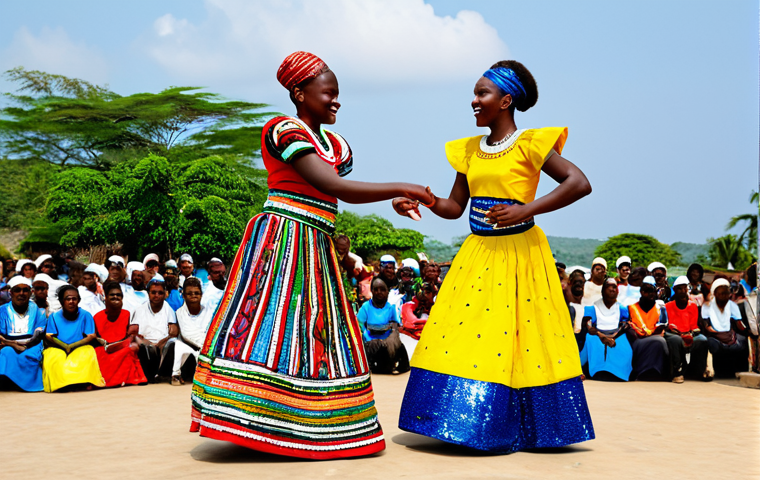
The dancing wasn’t just some pretty movements set to music. It was storytelling in its purest form. Each gesture, each step, each facial expression conveyed meaning, telling tales of love, loss, triumph, and resilience. What really captivated me was the way the dancers interacted with the musicians, creating this dynamic call-and-response. The dancers would react to the music and the musicians would respond to the dancers, feeding off each other’s energy. I saw this particular dance being done in pairs. One person started with a series of movements while the second person mimicked it and added their own flare to it.
The Language of Hands: Gestures that Speak Volumes
Pay close attention to the dancers’ hands. They weren’t just decorative; they were crucial to the storytelling. A flick of the wrist could indicate impatience, a cupped hand could symbolize offering, and a raised palm could signify defiance. It was like a whole other layer of communication unfolding before my eyes. It reminded me of sign language, and in many ways, it was.
Rhythm in Motion: The Importance of Footwork
The footwork was intricate and precise, often mirroring the complex rhythms of the drums. The dancers’ feet seemed to be in constant conversation with the music, adding another layer of percussive energy to the performance. The best part was that this was happening live. Nothing was being pre-recorded or lip synced. I was truly witnessing the artform as raw as it could be.
A Community Affair: The Audience’s Role
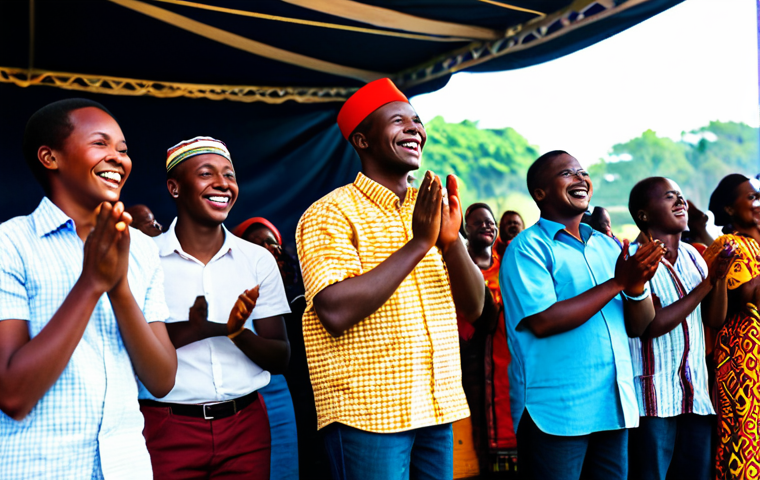
This wasn’t just a performance for an audience; it was a shared experience. The audience wasn’t just passively watching; they were actively participating, clapping, singing along, and offering words of encouragement to the performers. It felt like I was being welcomed into a family, a community bound together by their love of music and dance. I am happy I was welcomed into their culture.
Call and Response: Joining the Chorus
At certain points in the performance, the lead vocalist would call out a phrase, and the audience would respond in unison. Even though I didn’t know the words, I joined in, mimicking the sounds and feeling the collective energy of the crowd. It was an amazing feeling, like being part of something bigger than myself. I think I did a decent job copying the sounds that the group had made!
Sharing the Joy: Smiles and Shared Laughter
What struck me most was the sheer joy on everyone’s faces. The performers were clearly having a blast, and their enthusiasm was contagious. The audience was equally engaged, laughing, smiling, and cheering throughout the performance. It was a reminder that music and dance have the power to bring people together, regardless of language or cultural barriers. To this day, I still think of this performance and it brings me back to those joyful moments.
Costumes that Captivate: A Visual Feast
The costumes were a visual feast, bursting with colour and intricate detail. The women wore brightly coloured dresses adorned with elaborate embroidery and shimmering sequins, while the men sported traditional robes and headwraps. Each garment seemed to tell a story, reflecting the rich cultural heritage of the Comoros. What I appreciated was the authenticity of the clothing. These were not just costumes made for show; these were traditional garments that were worn with pride.
Fabrics of Tradition: Weaving History into Every Thread
The fabrics themselves were fascinating, ranging from brightly coloured cottons to shimmering silks. I later learned that many of the fabrics were hand-woven using traditional techniques, passed down through generations of artisans. Each thread seemed to hold a piece of history, connecting the present to the past.
Adornments of Culture: Jewelry and Meaning
The jewelry was equally stunning, featuring intricate necklaces, bracelets, and earrings made from silver, gold, and colourful beads. Each piece seemed to have its own symbolic meaning, reflecting the wearer’s status, heritage, and beliefs. I learned that the elders in the community were the one’s who dictated the meanings of all the jewelry.
The Setting Adds Soul: Finding the Perfect Venue
The setting for the performance was almost as important as the performance itself. It wasn’t in some sterile concert hall; it was in a small courtyard, surrounded by lush vegetation and bathed in the warm glow of the setting sun. The natural surroundings added to the magic of the experience, creating a sense of intimacy and authenticity. It really felt like I was peeking into the lives of the local citizens.
Under the Open Sky: Nature’s Embrace
Being outdoors, under the open sky, made the experience even more special. The gentle breeze carried the scent of tropical flowers, and the sound of crickets chirping in the background added to the ambiance. It felt like the entire natural world was joining in the celebration.
Community Spaces: Where Culture Thrives
The fact that the performance was held in a community courtyard made it feel even more meaningful. It was a reminder that culture isn’t something that’s confined to museums and concert halls; it’s something that’s alive and thriving in everyday life.
Lessons Learned: Culture, Connection, and Humility
This experience taught me so much about the power of culture to connect people, to transcend language barriers, and to foster understanding and empathy. It also taught me a valuable lesson in humility. I went in as an outsider, a tourist, but I left feeling like I had gained a deeper appreciation for a culture that was different from my own. I learned how different it is to immerse yourself in the local culture as opposed to seeing it on TV.
Embracing the Unknown: Stepping Outside Your Comfort Zone
One of the biggest takeaways from this experience was the importance of stepping outside your comfort zone and embracing the unknown. If I hadn’t taken a chance and ventured off the beaten path, I would have missed out on this incredible opportunity to connect with a different culture. I urge everyone to not be afraid and to explore what is out there.
Finding Common Ground: The Universal Language of Art
Despite the cultural differences, I found that music and dance served as a universal language, allowing me to connect with people on a deeper level. It was a reminder that we all share a common humanity, regardless of our backgrounds or beliefs.
Planning Your Own Cultural Adventure: Tips and Resources
If you’re inspired to seek out your own authentic cultural experiences, here are a few tips to help you plan your adventure.
Research and Respect: Learning Before You Go
Before you travel, take the time to research the local culture and customs. This will help you avoid making any unintentional faux pas and show respect for the local traditions. You can also research ways to learn the local language or ways to connect with the locals.
Be Open and Curious: Embrace the Unexpected
Be open to new experiences and don’t be afraid to try new things. The best cultural experiences are often the ones you least expect. I have found that being open and curious creates great opportunities and possibilities to learn something new.
Here’s a table summarizing some key aspects of Comorian folk performances:
| Element | Description | Significance |
|---|---|---|
| Music | Rhythmic drumming, oud melodies, vocal harmonies | Tells stories, expresses emotions, connects to tradition |
| Dance | Intricate footwork, expressive hand gestures, dynamic interaction with musicians | Communicates narratives, reflects cultural values, embodies the music |
| Costumes | Brightly coloured fabrics, elaborate embroidery, symbolic jewelry | Represents heritage, status, and beliefs |
| Setting | Community courtyards, natural landscapes, open-air venues | Creates an immersive and authentic experience |
| Audience | Active participation, call-and-response, shared joy | Fosters a sense of community and connection |
In Conclusion
My adventure into Comorian music and dance wasn’t just a fleeting experience; it was a transformative journey. It opened my eyes to the beauty and power of cultural expression, leaving an imprint on my soul. I hope my story inspires you to seek out similar adventures and discover the world’s hidden treasures.
Good to Know
1. Comorian culture is heavily influenced by Swahili, Arabic, and French traditions.
2. The official languages are Comorian (Shikomoro), French, and Arabic. Knowing a few basic phrases in any of these languages can greatly enhance your experience.
3. US dollars are widely accepted, but it’s always a good idea to have some local currency (Comorian Francs) for smaller transactions.
4. Bargaining is common in markets and smaller shops, so don’t be afraid to negotiate prices respectfully.
5. When visiting religious sites, dress modestly, covering shoulders and knees.
Key Takeaways
Immerse yourself in the local culture through music and dance for a richer travel experience.
Respect local customs and traditions to show appreciation for the Comorian way of life.
Be open to new experiences and embrace the unexpected encounters that may come your way.
Frequently Asked Questions (FAQ) 📖
Q: What exactly struck you as so authentic about the Comorian folk performance?
A: It wasn’t staged for tourists, you see. I was simply walking through a local village when I heard the music. It was a genuine celebration, with the community coming together.
The dancers weren’t putting on a show; they were completely immersed in the tradition, and that raw passion was infectious. It felt like stepping back in time.
Q: You mentioned the “sheer joy” of the performers. Can you give a specific example?
A: Absolutely! There was one older woman, probably in her seventies, with the most mischievous grin. She was leading one of the dances, her movements full of energy and grace.
At one point, she caught my eye and winked, and the whole crowd erupted in laughter. It was this spontaneous connection, this shared moment of happiness, that really highlighted the spirit of the performance.
Q: Are these kinds of performances easily accessible to the average traveler?
A: That’s the thing – not really! You won’t find them advertised in travel brochures. I got lucky by venturing off the beaten path and being open to serendipitous experiences.
My advice? Talk to locals, explore smaller villages, and keep your ears open. You never know what cultural gems you might discover!
📚 References
Wikipedia Encyclopedia
구글 검색 결과
구글 검색 결과
구글 검색 결과
구글 검색 결과
구글 검색 결과