In recent years, Comoros has been witnessing a quiet yet powerful transformation in the role and rights of women, challenging long-standing cultural norms.
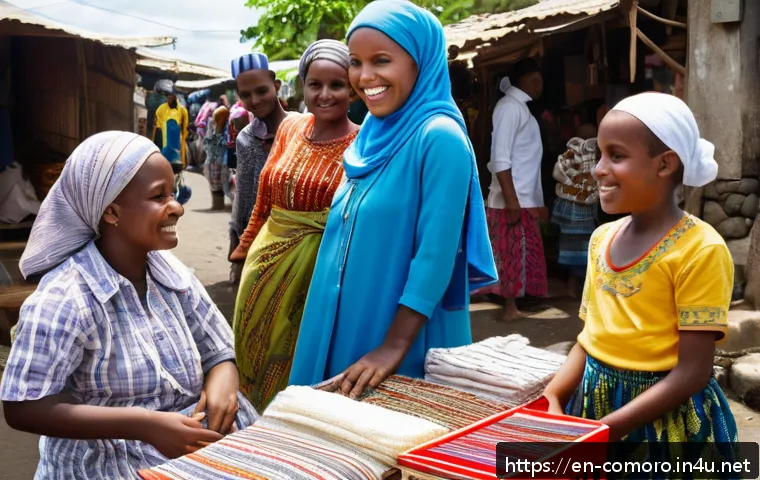
As conversations around gender equality gain momentum worldwide, Comorian women are stepping into new spaces, breaking barriers that once seemed insurmountable.
This shift is not just about legal reforms but a deeper change in societal attitudes and opportunities. Join me as we explore how these changes are reshaping lives and what the future holds for women in this island nation.
If you’ve ever wondered how tradition and progress can coexist, this journey through Comoros’ evolving landscape offers compelling insights you won’t want to miss.
Emerging Leadership Roles Among Comorian Women
Breaking into Political Arenas
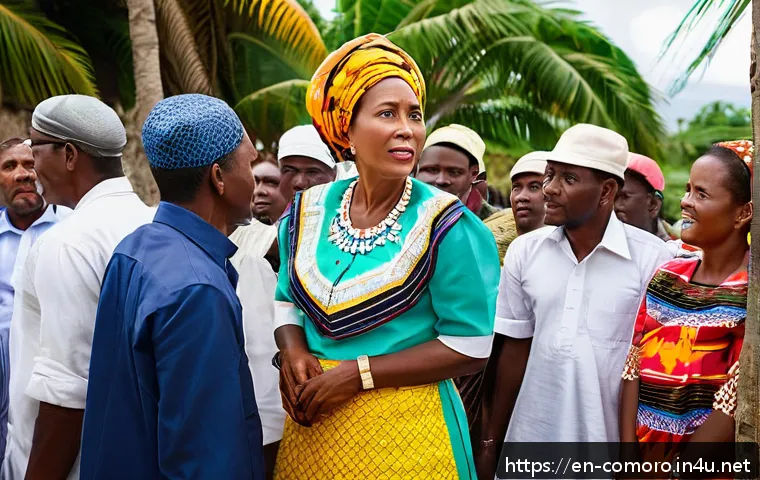
In recent years, Comorian women have increasingly stepped into political leadership positions, a space historically dominated by men. I’ve noticed that this isn’t just a matter of a few isolated cases; there’s a growing wave of female candidates running for local and national offices.
What’s striking is how these women are not just figureheads but active participants shaping policy, especially on issues affecting women and families.
From attending community meetings to holding seats in the Assembly, their presence is slowly shifting public perceptions about who can lead. It’s inspiring to see women using their voices to influence legislation, which was almost unimaginable a decade ago.
Entrepreneurship and Economic Empowerment
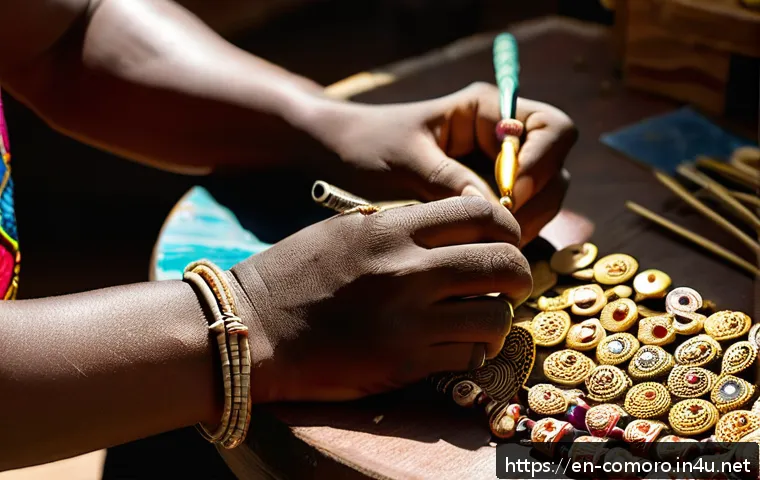
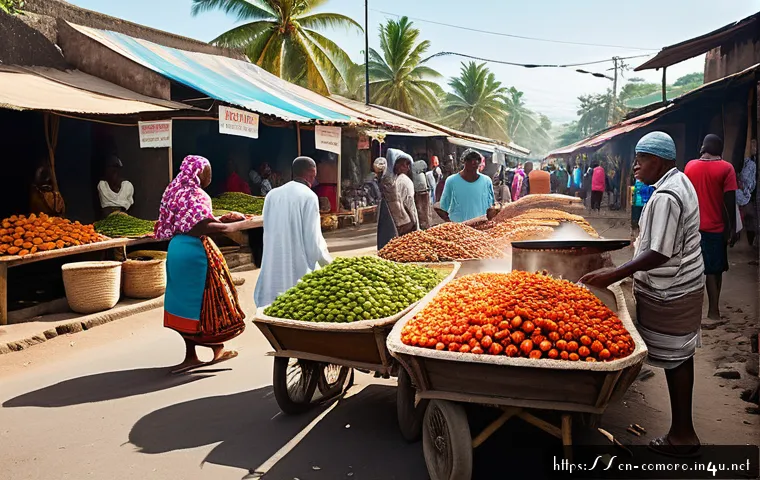
On the economic front, Comorian women are carving out niches as entrepreneurs, often balancing family responsibilities alongside their ventures. I’ve come across stories of women launching small businesses—from textile crafts to food markets—that not only support their households but also contribute to the local economy.
This shift towards economic independence reflects a subtle but powerful change in traditional gender roles. Access to microfinance and community support networks has played a crucial role in enabling these women to take financial risks and build sustainable incomes.
Their success stories are becoming a catalyst for others, inspiring a culture where women’s economic contributions are recognized and valued.
Challenges in Leadership Access
Despite these advances, barriers remain. Social expectations and family pressures sometimes discourage women from pursuing leadership roles, and limited educational opportunities can hinder their confidence and skills development.
I’ve heard from several women who feel caught between respecting tradition and pushing for change, which creates internal conflicts and external resistance.
Moreover, political and business networks often remain male-centric, making it harder for women to break through. However, the resilience shown by those who persist signals a slow but steady transformation in access and acceptance.
Shifting Educational Opportunities for Girls
Improved Enrollment Rates
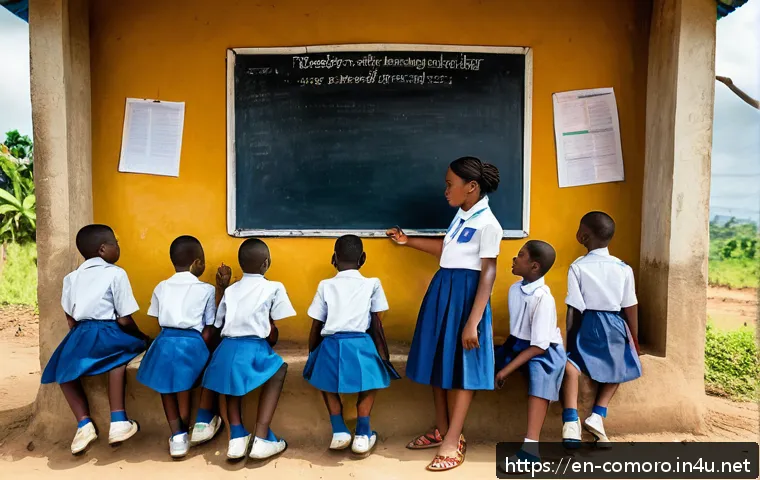
Education for girls in Comoros has seen significant improvements, with more families recognizing the importance of schooling beyond the primary level.
From what I’ve observed, local initiatives coupled with international support have helped reduce dropout rates, especially among girls transitioning to secondary education.
The government’s efforts to make schooling more accessible, including scholarships and community awareness campaigns, are bearing fruit. It’s heartening to see young girls attending classes regularly and dreaming bigger than previous generations could.
Gender-Sensitive Curriculum and Teacher Training
Another development worth noting is the introduction of gender-sensitive teaching methods and curricula. Schools are increasingly incorporating lessons that challenge stereotypes and promote equality.
I had a chance to speak with educators who emphasized how training teachers to recognize and address gender biases in the classroom is reshaping students’ attitudes.
This kind of early intervention is crucial because it plants seeds for long-term societal change. When young boys and girls learn to respect each other’s potential, the cultural foundation begins to shift.
Remaining Barriers and Cultural Norms
Yet, challenges persist. In rural areas, traditional views still sometimes discourage girls from pursuing education, especially when early marriage or household duties are prioritized.
I’ve met families torn between maintaining customs and wanting better futures for their daughters. Economic hardships also play a role, as some families cannot afford to keep all children in school.
Despite these obstacles, the growing visibility of educated women returning to their communities as role models is slowly transforming mindsets.
Health and Reproductive Rights Evolution
Access to Healthcare Services
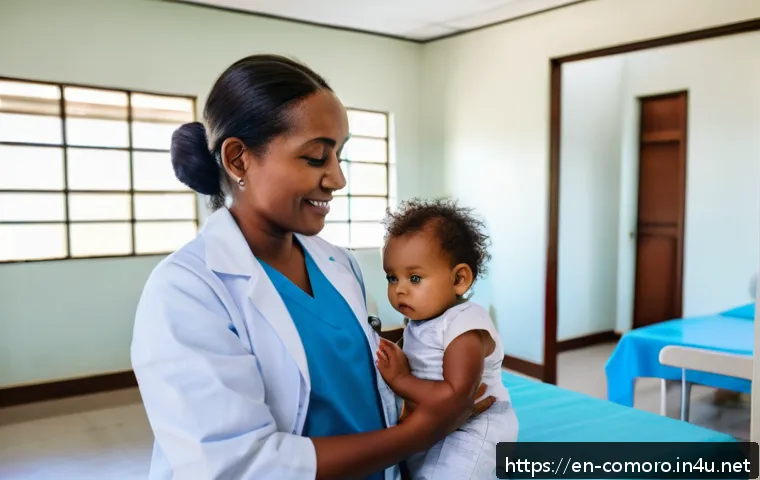
Women’s access to healthcare in Comoros has improved, particularly in maternal health and family planning services. Clinics have become more accessible, and outreach programs are educating women about prenatal care and contraception options.
From what I’ve gathered, this progress has contributed to lower maternal mortality rates and healthier families overall. Women are increasingly empowered to make informed decisions about their bodies, which is a major shift from the past when such topics were taboo or controlled by male relatives.
Community Engagement and Awareness Campaigns
Community health workers play a pivotal role in spreading awareness, especially in remote areas where formal medical facilities are sparse. I’ve seen firsthand how these workers build trust and encourage open conversations about reproductive health, breaking down long-standing stigmas.
Their efforts not only improve health outcomes but also foster a sense of agency among women. This grassroots approach is essential because it respects cultural contexts while promoting progressive ideas.
Challenges in Legal Frameworks and Implementation
Despite these advances, legal protections around reproductive rights remain patchy, and enforcement is inconsistent. Some women still face social backlash for seeking family planning services, and myths about contraception persist.
The legal system often lacks the resources or political will to fully support women’s health rights. Still, the gradual increase in public dialogue and advocacy efforts suggests that these barriers are being challenged more openly than ever before.
Transforming Gender Roles Within Families
Negotiating Domestic Responsibilities
In many Comorian households, traditional gender roles have long assigned women the bulk of domestic duties. However, I’ve noticed subtle changes as more men begin sharing household tasks and childcare responsibilities.
This is often driven by economic necessity, as dual incomes become crucial, but it also reflects shifting attitudes among younger generations. Couples I’ve spoken with mention ongoing negotiations about balancing work and home life, signaling a move towards more equitable partnerships.
Impact of Education and Media
Education and media exposure have been instrumental in challenging stereotypes about women’s and men’s roles at home. Television programs, radio shows, and social media campaigns highlight stories of families embracing shared responsibilities.
These narratives resonate especially with urban youth, creating new norms that value cooperation and mutual respect. I find this cultural dialogue fascinating because it connects personal experiences with broader social change.
Resistance and Cultural Tensions
Despite progress, resistance remains strong in some communities where traditional norms are deeply ingrained. I’ve encountered older family members who view these shifts as threats to cultural identity, leading to intergenerational tensions.
Women often navigate delicate balances between honoring heritage and asserting new roles, which can be emotionally taxing. Yet, these tensions also spark important conversations that gradually reshape collective understanding.
Legal Reforms and Policy Developments
Advances in Women’s Legal Rights
Comoros has made strides in updating laws to better protect women’s rights, including legislation against domestic violence and discrimination. From what I have researched and discussed with local activists, these legal reforms provide a framework for women to seek justice and assert their rights more confidently.
Laws addressing inheritance, marriage, and labor rights are also evolving, aiming to close gaps that historically disadvantaged women.
Enforcement and Awareness Challenges
However, passing laws is only part of the story. Enforcement remains a significant hurdle, with many women unaware of their legal protections or reluctant to report abuses due to fear or social stigma.
I’ve heard from advocates that building trust in the legal system and providing accessible support services are critical next steps. Public education campaigns and partnerships with community leaders help bridge these gaps, slowly increasing awareness and utilization of legal resources.
The Role of International Partnerships
International organizations have played a supportive role in these reforms, offering technical assistance and funding programs focused on women’s rights.
I’ve observed that such collaborations bring global attention to local issues and help amplify women’s voices. While some critics worry about external influence on cultural norms, many locals appreciate the resources and expertise that aid in navigating complex social changes.
Women’s Voices in Cultural and Artistic Expression
Renaissance of Female Storytelling
Art and culture provide a powerful outlet for Comorian women to express their experiences and aspirations. I’ve come across poets, musicians, and visual artists who use their work to challenge stereotypes and celebrate womanhood.
This creative renaissance not only empowers the artists themselves but also resonates with audiences, fostering empathy and dialogue around gender issues.
The growing visibility of women’s artistic contributions is reshaping cultural narratives in meaningful ways.
Platforms for Expression and Advocacy
Social media and community festivals serve as important platforms where women share their stories and mobilize for change. I find it remarkable how digital connectivity has enabled even those in remote areas to connect with broader movements.
These platforms amplify marginalized voices and create supportive networks that encourage collective action. The blend of tradition and modernity in these expressions highlights the dynamic nature of Comorian culture.
Preserving Heritage While Embracing Change
Many women artists emphasize the importance of honoring cultural heritage while pushing boundaries. They blend traditional themes and styles with contemporary messages, crafting works that speak to both identity and progress.
This balancing act reflects a broader societal negotiation between preserving roots and embracing new possibilities—a theme that runs deeply through the evolving role of women in Comoros.
Comparative Overview of Key Indicators Affecting Women’s Status
| Indicator | Recent Status | Impact on Women | Notes |
|---|---|---|---|
| Female Literacy Rate | Approximately 65% | Improved education access; foundation for empowerment | Still lower than male literacy; rural-urban gap persists |
| Women in Parliament | About 15% | Increased political participation and policy influence | Growing but remains below regional average |
| Maternal Mortality Rate | Reduced to around 210 per 100,000 live births | Better healthcare access; improved family wellbeing | Still high compared to global standards |
| Female Labor Force Participation | Close to 50% | Economic empowerment; financial independence | Predominantly in informal sector |
| Legal Protections Against Gender-Based Violence | New laws enacted | Legal recourse and awareness increased | Challenges in enforcement and social acceptance remain |
Conclusion
The progress made by Comorian women across leadership, education, health, and cultural spheres marks a significant shift toward gender equality. While challenges remain, the growing presence and influence of women in various sectors inspire hope for continued transformation. Their resilience and determination are key drivers of change, shaping a more inclusive future for the Comoros.
Useful Information
1. Increasing female political participation is gradually reshaping policy to better address women’s and family issues.
2. Economic empowerment through entrepreneurship is creating new opportunities for women’s financial independence.
3. Education improvements, including gender-sensitive curricula, are helping to break down long-standing stereotypes.
4. Enhanced access to healthcare and reproductive services supports better maternal health and informed decision-making.
5. Legal reforms are underway, but enforcement and cultural acceptance remain ongoing challenges to women’s rights.
Key Takeaways
Women in Comoros are making meaningful strides in leadership, education, health, and cultural expression despite persistent social and structural barriers. Support systems like microfinance, community outreach, and international partnerships are crucial in sustaining this momentum. Continued efforts to raise awareness, enforce laws, and challenge traditional norms will be essential to advancing gender equality and empowering future generations.
Frequently Asked Questions (FAQ) 📖
Q: How are women in Comoros challenging traditional cultural norms?
A: Women in Comoros are gradually stepping into roles and spaces that were traditionally reserved for men, such as leadership positions in community organizations and entrepreneurship.
This shift is driven by increased education opportunities and awareness campaigns promoting gender equality. Many women are now voicing their opinions more openly and actively participating in social and economic activities, which is slowly but surely reshaping societal expectations.
Q: What legal changes have supported the advancement of women’s rights in Comoros?
A: While Comoros still faces challenges in fully implementing gender equality laws, there have been important legal reforms aimed at protecting women’s rights, including laws against domestic violence and provisions for equal inheritance rights.
These changes, although sometimes slow to enforce, provide a critical framework for women to claim their rights and seek justice, marking a significant step forward from past decades.
Q: What does the future look like for women’s empowerment in Comoros?
A: The future appears promising as younger generations of Comorian women are more educated and globally connected than ever before. With ongoing efforts from local NGOs and international organizations, opportunities for women in education, politics, and business are expanding.
If this momentum continues, Comoros could witness a vibrant transformation where tradition and progress coexist, allowing women to fully contribute to the island’s development while honoring cultural heritage.