With travel trends shifting towards off-the-beaten-path destinations, Moheli Island in Comoros is rapidly gaining attention as a true hidden paradise.
Recently celebrated for its untouched natural beauty and rare wildlife encounters, this island offers an escape from the usual tourist crowds. If you’re craving an authentic adventure surrounded by pristine beaches and vibrant marine life, Moheli’s unique charm won’t disappoint.
Let’s dive into what makes this secluded gem a must-visit for nature lovers and explorers alike. Stick around—there’s so much more to uncover beyond the surface!
Discovering Moheli’s Untouched Natural Wonders
The Allure of Pristine Beaches
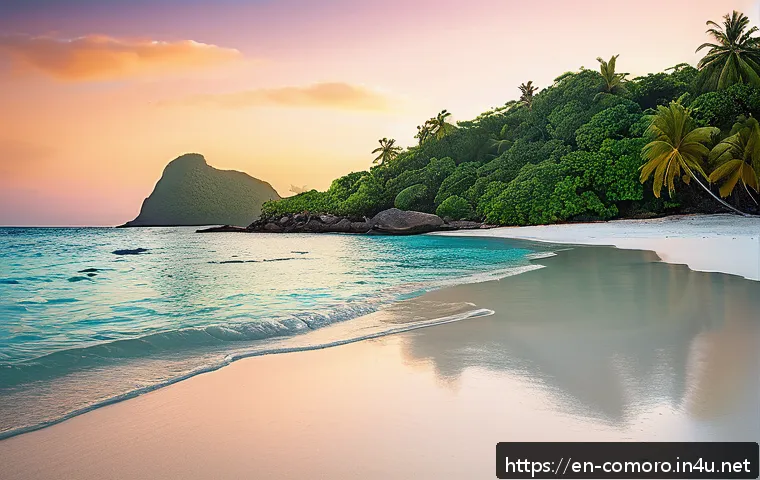
Moheli’s beaches are a slice of paradise that feels like stepping into a dream. Unlike the crowded shores of more popular destinations, these beaches remain largely untouched, offering powdery white sand and crystal-clear waters that invite you to relax or explore.
Walking along the coastline, you’ll find yourself enveloped by an almost sacred silence, punctuated only by the gentle lapping of waves and the occasional call of seabirds.
The absence of commercial development means you can truly connect with nature here, whether you’re sunbathing, snorkeling, or simply soaking in the breathtaking views.
Rare Wildlife Encounters You Won’t Forget
One of Moheli’s biggest draws is its incredible biodiversity, especially for wildlife enthusiasts. The island is home to species that are hard to spot elsewhere, including the elusive Coelacanth—a prehistoric fish once thought extinct—and several endemic birds and reptiles.
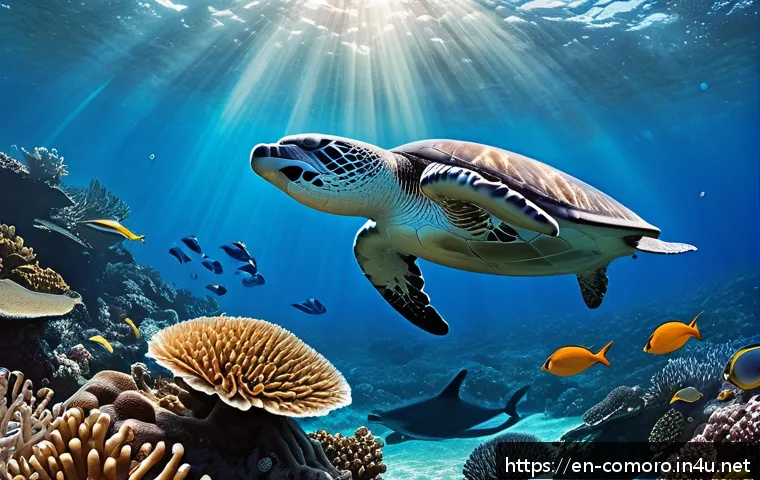
Marine life thrives in the surrounding coral reefs, where dolphins, sea turtles, and humpback whales make regular appearances during migration seasons.
Local guides, deeply knowledgeable about the island’s ecosystem, can take you on tours that feel like intimate encounters with nature’s hidden gems, making every outing a memorable adventure.
Exploring Dense Forests and Waterfalls
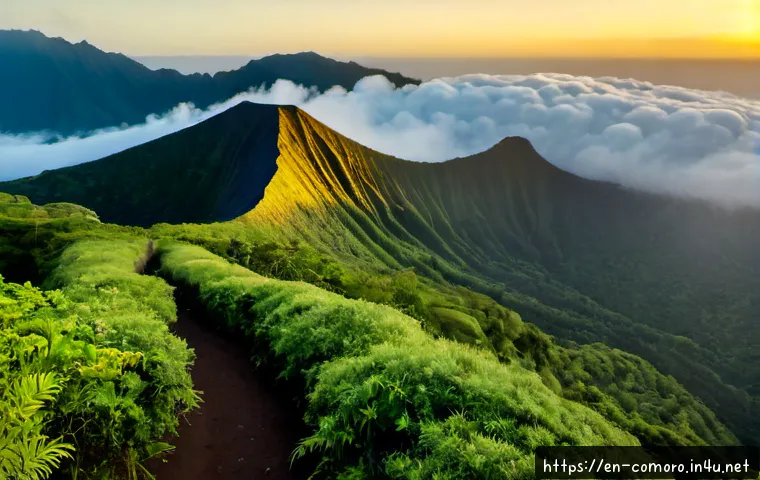
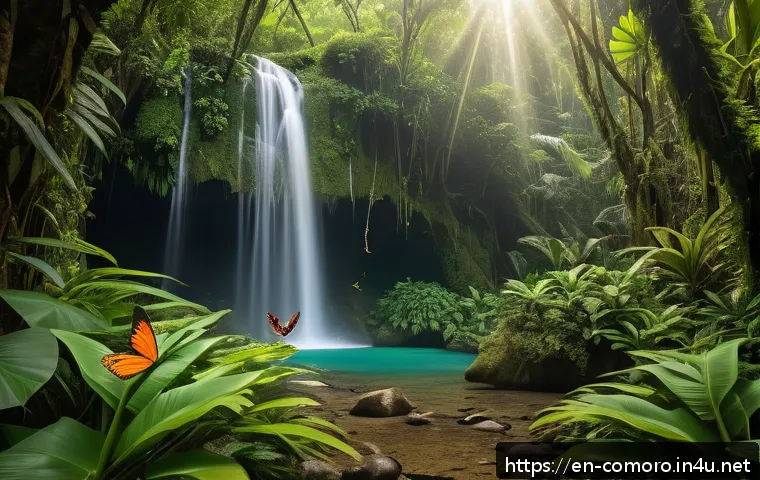
Inland from the beaches, Moheli’s dense tropical forests offer a different kind of enchantment. These lush green spaces are crisscrossed by winding trails leading to secret waterfalls and tranquil pools.
The air here is thick with the scent of exotic flowers and the sound of rustling leaves and birdcalls. Trekking through these forests is an immersive experience, where you can spot vibrant butterflies, colorful birds, and unique plant species.
The waterfalls provide perfect spots for refreshing dips, adding a magical touch to your exploration of the island’s diverse terrain.
Cultural Treasures and Local Life on Moheli
Meeting the Warm and Welcoming Locals
What makes Moheli truly special is its people. The island’s small communities maintain a rich cultural heritage that’s both fascinating and inviting. Visitors often comment on the genuine warmth and hospitality they receive, whether from fishermen mending their nets or families sharing traditional meals.
This connection to local life offers a deeper understanding of the island’s rhythms and traditions, far removed from the tourist clichés. Participating in local festivals or even a simple conversation over coffee can open a window into the heart of Moheli’s culture.
Traditional Cuisine That Tells a Story
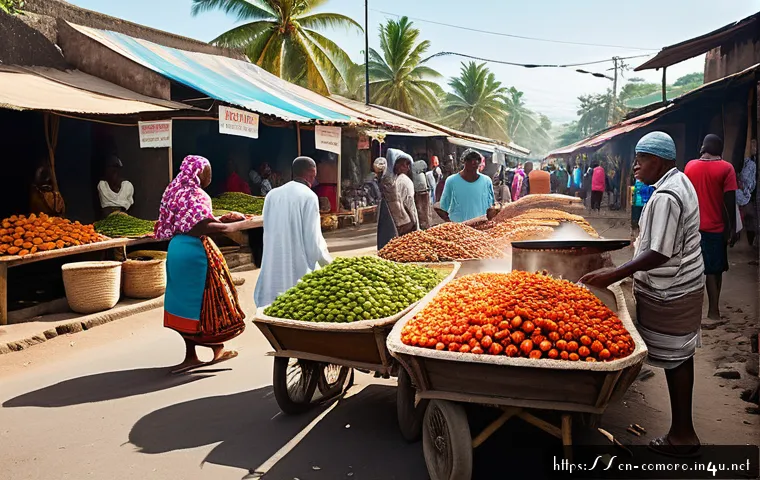
The flavors of Moheli’s cuisine reflect its island roots, with fresh seafood playing a starring role alongside tropical fruits and spices. Dishes are often prepared using age-old recipes passed down through generations, combining ingredients like coconut milk, vanilla, and tamarind to create a rich tapestry of tastes.
Sampling street food or dining in a family-run eatery offers a delicious way to experience local life. The food here isn’t just nourishment—it’s a story of the land and sea, told through every bite.
Handicrafts and Artisanal Traditions
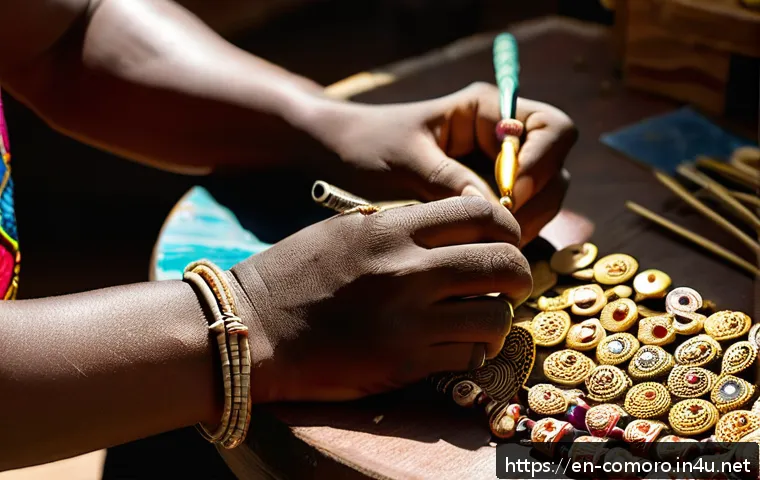
Artisans on Moheli keep traditional crafts alive, creating beautiful handmade items that reflect the island’s culture and natural surroundings. From woven baskets and mats to intricate wood carvings and jewelry made with local materials, these crafts offer meaningful souvenirs and insight into the island’s creative spirit.
Many visitors enjoy visiting markets or workshops where they can watch artisans at work and learn about the significance behind each piece. Supporting these crafts helps preserve Moheli’s heritage while connecting you to its people in a tangible way.
Marine Adventures Beyond the Shoreline
Snorkeling and Diving in Vibrant Coral Reefs
Moheli’s underwater world is a kaleidoscope of colors and life. The coral reefs surrounding the island are remarkably healthy, making them ideal spots for snorkeling and diving.
Even as a beginner, you’ll be amazed by the diversity of fish, corals, and other marine creatures you can observe just a few meters from the shore. Experienced divers find Moheli offers thrilling dive sites with clear visibility and the chance to encounter rare species.
The peacefulness underwater contrasts beautifully with the vibrant activity beneath the waves.
Boat Excursions and Whale Watching
Exploring the waters by boat reveals another side of Moheli’s charm. Guided boat tours take you to hidden coves, secluded beaches, and prime spots for observing marine mammals.
Depending on the season, you might witness humpback whales breaching or pods of dolphins riding the bow waves. These excursions often include opportunities to swim in secluded bays or enjoy picnics on deserted islands.
For many visitors, these moments on the water become the highlight of their trip, offering a sense of freedom and connection to the ocean’s vastness.
Conservation Efforts That Make a Difference
What struck me most about Moheli is the strong commitment to protecting its marine environment. The island hosts one of the world’s first marine protected areas, which has helped preserve its rich biodiversity and maintain sustainable fishing practices.
Local communities actively participate in conservation, balancing their livelihoods with environmental stewardship. This dedication means you can enjoy Moheli’s natural wonders with the reassurance that these treasures are being safeguarded for future generations.
It’s inspiring to see tourism and conservation working hand in hand here.
Getting Around and Where to Stay for an Authentic Experience
Travel Tips for Navigating Moheli
Getting around Moheli requires a bit of adventurous spirit. The island’s infrastructure is modest, with unpaved roads and limited public transport, so renting a 4×4 or relying on local taxis is often the best way to explore.
Distances are manageable, but travel times can be longer than expected due to road conditions. This slower pace actually enhances the experience, allowing you to appreciate the island’s peaceful atmosphere.
Planning ahead with a local guide can also help you access less-visited spots that are off the typical tourist path.
Accommodation Options That Blend Comfort and Local Charm
Moheli offers a range of accommodations, mostly small lodges, eco-friendly bungalows, and guesthouses run by local families. These places prioritize sustainability and cultural immersion, often using locally sourced materials and serving home-cooked meals.
Staying in such accommodations not only supports the community but also gives you a more genuine experience of island life. Many lodgings are situated near beaches or forests, providing stunning views and easy access to nature.
From my stay in a beachfront bungalow, waking up to the sound of waves and birds was simply unforgettable.
Essential Tips for a Smooth Stay
To make the most of your visit, it’s wise to pack light but include essentials like reef-safe sunscreen, insect repellent, and comfortable walking shoes.
Wi-Fi can be spotty, which might be a blessing in disguise, encouraging you to disconnect and fully immerse yourself in the environment. Cash is king here since ATMs are scarce, and many places don’t accept cards.
Being flexible and open-minded will serve you well, as things don’t always go according to strict schedules, but that’s part of the island’s charm.
Moheli’s Unique Flora and Fauna in Detail
Endemic Species That Define the Island’s Identity
Moheli’s ecosystem is a treasure trove of endemic species found nowhere else on Earth. The island’s isolation has allowed unique plants and animals to evolve, creating a fascinating biodiversity hotspot.
Among the most notable are the Moheli scops owl and the Moheli brush warbler, both small birds that are a delight to spot for birdwatchers. The island’s forests shelter rare orchids and medicinal plants used by locals, adding layers of intrigue for nature lovers and botanists alike.
The Role of Moheli National Park
Established to protect these precious species and their habitats, Moheli National Park covers both terrestrial and marine areas. The park’s management focuses on sustainable tourism and environmental education, helping visitors understand the importance of preserving this delicate balance.
Walking trails within the park offer safe, guided access to sensitive areas, and ranger-led tours provide valuable insights into the island’s natural history.
Visiting the park is not only a highlight but also a chance to contribute to conservation efforts by paying entrance fees and supporting local initiatives.
Seasonal Changes and Their Impact on Wildlife
The island’s wildlife patterns shift with the seasons, affecting what you can expect to see during your visit. For example, the humpback whales arrive between July and October, offering spectacular displays for lucky observers.
The rainy season, from November to April, transforms the landscape into a lush green paradise but may limit some outdoor activities due to heavy showers.
Understanding these seasonal rhythms helps plan the best time to experience Moheli’s natural wonders in full bloom or witness specific wildlife behaviors.
Planning Your Visit: Practical Insights and Highlights
Best Time to Visit for Weather and Wildlife
Choosing when to visit Moheli depends largely on your interests. For diving and snorkeling, the dry season from May to October is ideal, offering calm seas and excellent visibility.
Wildlife enthusiasts aiming to catch whale migrations or bird nesting should plan around those specific windows. The shoulder seasons can be quieter and less expensive but come with a higher chance of rain.
Personally, I found visiting in early September perfect—not too crowded, great weather, and plenty of wildlife activity.
Must-See Attractions and Hidden Gems
While the island’s natural beauty is its biggest draw, several spots deserve special mention. The village of Bandamadji offers insight into traditional life and crafts, while the Baie de Nioumachoua is a fantastic place for kayaking and birdwatching.
Hidden waterfalls like Chissioua Mtsanga provide a refreshing break from the heat and a peaceful retreat. Exploring these varied attractions gives a well-rounded picture of Moheli’s diverse offerings beyond just beach time.
Local Customs and Responsible Travel Tips
Respecting local customs is crucial when visiting Moheli. Dress modestly, especially in villages, and always ask permission before photographing people.
Supporting local businesses and guides ensures your visit benefits the community directly. Avoid single-use plastics and stick to established paths to protect fragile environments.
By traveling responsibly, you help preserve Moheli’s magic and ensure future visitors can enjoy the same authentic experience.
| Aspect | Details | Tips |
|---|---|---|
| Best Time to Visit | May to October (dry season), July to October (whale watching) | Plan according to activities; bring rain gear if visiting shoulder season |
| Transport | Limited public transport, 4×4 rental recommended | Hire local guides for remote areas |
| Accommodation | Eco-lodges, family-run guesthouses, beachfront bungalows | Book in advance during peak season |
| Wildlife Highlights | Coelacanth, humpback whales, endemic birds | Join guided tours for best viewing |
| Local Culture | Warm hospitality, traditional crafts, unique cuisine | Engage respectfully and support local artisans |
In Conclusion
Moheli is a rare gem where untouched nature and vibrant culture come together in perfect harmony. From its pristine beaches and rich wildlife to warm local communities, every moment here feels authentic and rewarding. Whether you seek adventure or tranquility, this island offers experiences that stay with you long after you leave. Embracing Moheli’s charm means stepping into a world where simplicity and natural beauty reign supreme.
Helpful Information to Keep in Mind
1. The best time to visit is during the dry season from May to October, which also aligns with prime whale-watching months between July and October.
2. Transportation options are limited, so renting a 4×4 or hiring local guides is recommended for exploring remote areas safely and comfortably.
3. Accommodation mostly consists of eco-friendly lodges and family-run guesthouses that offer both comfort and a genuine local experience.
4. Wildlife spotting is best with guided tours, especially if you want to see rare species like the Coelacanth or humpback whales.
5. Respect local customs by dressing modestly, asking permission before taking photos, and supporting local artisans and businesses to ensure responsible tourism.
Key Takeaways
Moheli offers a unique blend of pristine natural environments and rich cultural heritage that demands mindful travel. Visitors should prepare for basic infrastructure and bring essentials like reef-safe sunscreen and insect repellent. Engaging with local communities enriches your experience while contributing to sustainable tourism efforts. Planning your visit around seasonal wildlife activity and weather conditions will maximize your enjoyment of this extraordinary island.
Frequently Asked Questions (FAQ) 📖
Q: What is the best time of year to visit Moheli Island for wildlife spotting?
A: The ideal time to visit Moheli Island for wildlife enthusiasts is between April and November. During these months, the weather is generally dry and pleasant, which makes exploring the island’s natural habitats easier.
This period also coincides with the nesting season of sea turtles and increased chances of spotting rare marine creatures like humpback whales. I went there in late July, and the calm seas allowed for some incredible snorkeling experiences, witnessing vibrant coral reefs and playful dolphins up close.
Q: How accessible is Moheli Island for travelers coming from major international hubs?
A: Moheli Island is somewhat off the beaten path, which means it requires a bit more planning compared to popular tourist spots. The nearest international airport is on Grande Comore (Moroni), and from there, you can take a domestic flight or a ferry to Moheli.
While flights might be limited and schedules can change, the journey itself is part of the adventure. When I traveled there, booking flights early and coordinating with local operators helped smooth out the process, making the island feel like a hidden gem rather than a logistical headache.
Q: What kind of accommodations and amenities can visitors expect on Moheli Island?
A: Accommodations on Moheli tend to be eco-friendly lodges, boutique hotels, and guesthouses that emphasize sustainability and harmony with nature. Don’t expect luxury resorts or large-scale hotels, but rather charming, locally-run places that offer a genuine island vibe.
When I stayed at a small beachfront lodge, the experience was intimate and authentic, with fresh seafood meals and personalized tours. Facilities are basic but comfortable, perfect for travelers looking to disconnect and immerse themselves in the island’s tranquility.