As travel rebounds and off-the-beaten-path destinations gain momentum, Comoros emerges as a captivating haven for adventurous backpackers seeking authenticity.
This hidden gem in the Indian Ocean offers vibrant culture, stunning landscapes, and warm local hospitality that few have yet to discover. If you’re craving an immersive experience away from typical tourist trails, getting insider tips from those who’ve roamed these islands like locals can transform your journey.
Join me as we unlock the secrets to backpacking Comoros with confidence and curiosity, ensuring your trip is not only unforgettable but truly genuine.
Ready to dive into a unique adventure? Let’s explore!
Mastering Local Transportation for an Authentic Comoros Experience
Understanding the Island’s Unique Transit Options
Getting around Comoros isn’t like hopping on a subway in a major city, and that’s part of the charm. The islands rely heavily on minibusses, known locally as “taxi-brousse,” and small boats that connect the main islands.
From my own journey, I found that these modes of transport not only save money but also give you a genuine glimpse into daily island life. You’ll rub shoulders with locals, catch snippets of conversations, and experience the rhythm of Comorian culture firsthand.
Just a heads-up—schedules can be flexible at best, so patience is your best travel companion here.
Navigating Between Islands Without a Hitch
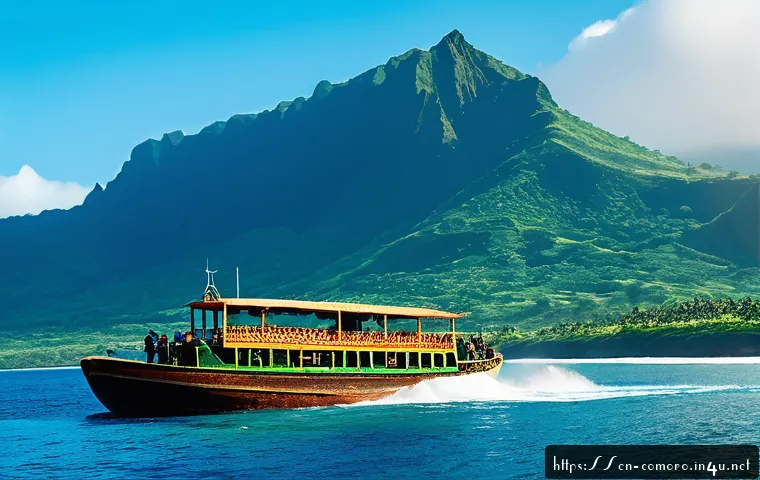
Inter-island travel can feel a bit like an adventure within your adventure. I vividly recall taking a small ferry from Grande Comore to Mohéli; the waves were gentle, but the boat was modest.
Booking tickets ahead is wise during peak seasons, but often, locals arrange these trips informally, so striking up a conversation with a guesthouse host can unlock insider info on the best timing and routes.
The boats might not be luxurious, but the views of turquoise waters and passing fishing boats make every minute worthwhile.
Tips for Safe and Cost-Effective Transport
While the laid-back vibe invites exploration, it’s important to keep safety in mind. I always double-checked the condition of boats before boarding and avoided traveling after dark.
Negotiating fares upfront with taxi-brousse drivers helped me avoid surprises and often led to lively chats about the island’s history and customs. Carrying small change is crucial since many drivers don’t accept larger bills, and having some local currency on hand makes tipping and minor purchases smoother.
Delving into Comorian Cuisine: A Feast for the Senses
Must-Try Traditional Dishes and Where to Find Them
Comorian food is a delightful fusion influenced by African, Arab, and French flavors, making each meal an exciting discovery. One of my favorite dishes was “Langouste à la vanille” — lobster cooked with the island’s signature vanilla, creating a sweet and savory delight.
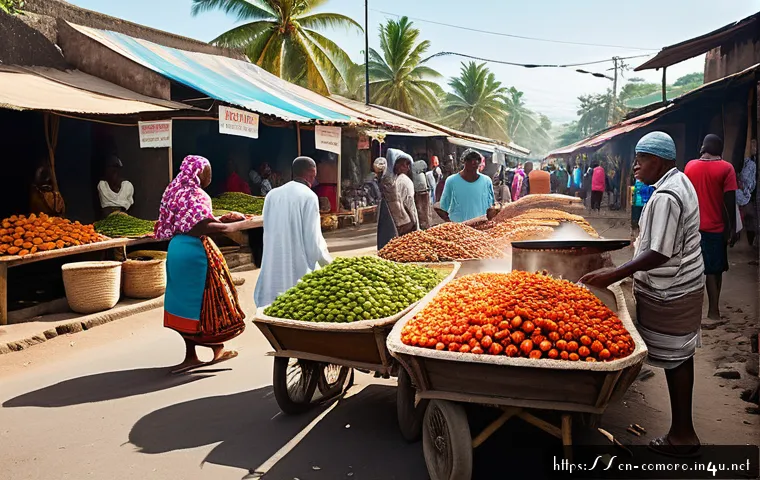
Street stalls in Moroni serve up spicy “mshakiki” (skewered meats) that are perfect for snacking on the go. Don’t miss sampling “mataba,” a dish made from cassava leaves cooked in coconut milk, which truly encapsulates the island’s earthy tastes.
Eating with Locals: Where Authenticity Shines
Eating at local family-run eateries or joining community feasts made my meals far more memorable than any tourist spot. These places often don’t have flashy signs, but the aroma and the chatter tell you you’re in the right place.
I once shared a meal with a fisherman’s family who invited me to taste freshly caught fish grilled over open flames. These moments, where food and stories mingle, are what make traveling in Comoros so special.
Practical Advice on Food Safety and Dietary Preferences
Trying street food can be thrilling, but I learned to be cautious about hygiene and to avoid raw or undercooked dishes. Bottled water is a must, and peeling fruits before eating is a good habit to keep tummy troubles at bay.
Vegetarians and vegans might find options limited but manageable with dishes like coconut rice and vegetable stews. I found that communicating dietary needs in simple French or Swahili phrases opened doors to customized meals.
Embracing Local Culture Through Festivals and Traditions
Experiencing Vibrant Celebrations
Comoros is alive with festivals that reflect its rich cultural tapestry. The Mwali Cultural Festival on Mohéli is a highlight, featuring traditional music, dance, and crafts that instantly draw you into the island’s spirit.
Attending these events gave me a rare chance to witness rituals and performances that aren’t advertised in guidebooks, making the experience feel truly exclusive and immersive.
Respectful Engagement with Local Customs
Understanding social norms is key to blending in and gaining trust. For example, modest dress is appreciated, especially when visiting religious sites.
Greeting with a warm “Salama” (peace) and using your right hand for giving and receiving shows respect. I noticed that taking time to listen and ask questions rather than rushing conversations helped build genuine connections with locals.
Learning Through Community Interaction
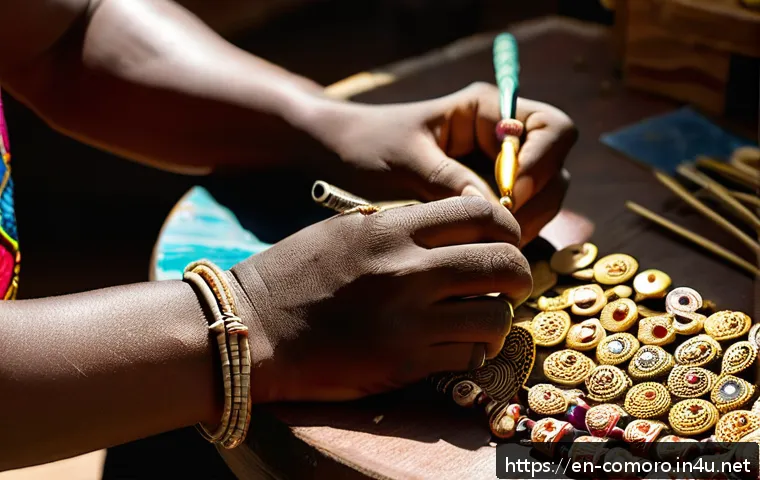
Small villages often welcome visitors with curiosity and kindness. I joined a weaving workshop in Anjouan, where elders patiently taught me traditional techniques while sharing stories of their heritage.
These hands-on experiences enriched my trip far beyond sightseeing, offering a deep appreciation for the people who make Comoros so unique.
Finding Budget-Friendly Accommodation with Character
Guesthouses and Homestays as Windows into Daily Life
Rather than sterile hotels, I opted for guesthouses and homestays that offered a cozy atmosphere and personal touches. Staying with local families not only lowered costs but also provided priceless opportunities to learn about Comorian customs, meals, and daily routines.
These accommodations often come with the bonus of insider tips on hidden beaches or secret hiking trails.
Booking Strategies for the Best Deals
I found that reaching out directly to guesthouse owners via email or social media sometimes unlocked better rates than booking platforms. Traveling during shoulder seasons also helped me avoid inflated prices while still enjoying pleasant weather.
Flexibility in your itinerary can allow you to seize last-minute deals, especially if you’re willing to move between islands.
Essential Amenities to Look For
While budget options might lack luxury, I prioritized places with reliable water supply, mosquito nets, and clean bathrooms. Wi-Fi was often spotty, but that’s part of the charm — a chance to unplug and immerse yourself fully.
Air conditioning is rare, so a fan or a room with good ventilation made a big difference during hot nights.
Exploring Nature’s Wonders Off the Beaten Path
Hidden Beaches and Secret Swimming Spots
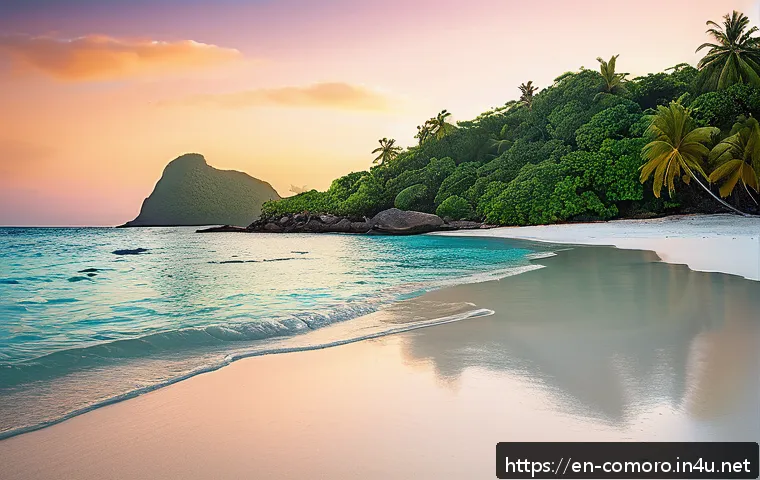
One of the best parts of Comoros is stumbling upon nearly empty beaches where you can swim, snorkel, or just soak in the sun without the crowds. I discovered a secluded cove near Chomoni that locals whispered about, where the coral reefs were vibrant and the water crystal clear.
These spots require a bit of effort to reach, but the reward is solitude and natural beauty.
Hiking Trails That Reveal Stunning Vistas
The island’s volcanic terrain offers some epic hikes, with paths weaving through lush forests and up to panoramic viewpoints. Climbing Mount Karthala, an active volcano, was challenging but unforgettable — the sweeping views from the crater rim made every step worthwhile.
Local guides are invaluable here, sharing insights about flora, fauna, and island legends that enrich the trek.
Wildlife Encounters You Won’t Forget
Comoros is home to rare species like the Livingstone’s fruit bat and various endemic birds. I joined a night walk organized by a local conservation group and was amazed to spot creatures that are nearly impossible to find elsewhere.
Supporting these eco-tourism efforts not only enhances your experience but also helps preserve the islands’ fragile ecosystems.
Essential Packing Tips Tailored for Comoros
Clothing and Gear for Island Life
Lightweight, breathable fabrics are a must because of the tropical climate. I always pack a mix of casual beachwear and modest outfits for visiting villages and mosques.
A sturdy pair of walking shoes or sandals with grip proved essential for hikes and uneven paths. Don’t forget a wide-brimmed hat and sunglasses — the sun can be intense, especially during midday.
Health and Safety Essentials
Mosquito repellent with DEET is critical to avoid bites that can lead to illnesses like malaria. I carried a basic first-aid kit including antiseptic wipes, painkillers, and medication for stomach upset, which came in handy after sampling some local street food.
Staying hydrated with bottled water and applying sunscreen frequently helped me stay comfortable throughout my adventure.
Tech and Travel Accessories to Enhance Your Trip
Power outages are common, so a portable power bank kept my devices charged during long days out. Offline maps and translation apps saved me from getting lost or struggling with language barriers.
A dry bag was great for protecting my camera and documents during boat rides or unexpected rain showers.
Practical Budget Breakdown for Backpackers
| Expense Category | Estimated Cost (USD) | Tips to Save |
|---|---|---|
| Accommodation (per night) | $10 – $25 | Choose homestays or guesthouses, book off-season |
| Local Transport | $1 – $5 per trip | Use taxi-brousse, negotiate fares upfront |
| Food & Drinks (per day) | $5 – $15 | Eat at street stalls or local markets |
| Inter-island Ferry | $10 – $20 | Book early or ask locals for best deals |
| Guided Tours/Hikes | $15 – $40 | Join group tours or hire local guides directly |
| Miscellaneous (souvenirs, tips) | $5 – $10 | Set a daily budget and stick to it |
In Conclusion
Exploring Comoros offers a rare blend of authentic culture, stunning nature, and warm local hospitality. Embracing the island’s unique transport, savoring traditional cuisine, and engaging with vibrant festivals truly enrich the travel experience. With a mindful approach to safety and budgeting, anyone can uncover the hidden gems this archipelago holds. Your journey here will not only be memorable but also deeply rewarding.
Useful Information to Keep in Mind
1. Local transportation like taxi-brousse and small boats provide affordable and immersive travel but expect flexible schedules and prepare for some waiting time.
2. Booking inter-island ferries in advance during busy seasons helps avoid last-minute hassles and ensures a smoother trip.
3. When dining, prioritize hygiene and communicate dietary preferences clearly to enjoy Comorian cuisine safely and deliciously.
4. Respect local customs by dressing modestly, greeting warmly, and being patient when engaging with communities to build genuine connections.
5. Packing essentials such as mosquito repellent, sturdy footwear, and portable chargers will make your trip comfortable and hassle-free.
Key Takeaways for a Successful Trip
Prioritize safety by inspecting transport options and avoiding nighttime travel. Engage with locals respectfully to gain insider tips and enrich your experience. Opt for budget-friendly accommodations that offer authentic cultural insights rather than just comfort. Always carry small change and local currency for smooth transactions. Finally, embrace the slower pace and unpredictability—it’s part of what makes Comoros an unforgettable destination.
Frequently Asked Questions (FAQ) 📖
Q: What is the best time of year to backpack in Comoros to enjoy good weather and fewer tourists?
A: The ideal time to visit Comoros for backpacking is during the dry season, which runs from May to October. During these months, the weather is pleasantly warm and sunny, with less humidity and minimal rainfall, making outdoor activities like hiking, beach exploration, and cultural visits much more enjoyable.
Also, since Comoros is still a relatively undiscovered destination, you won’t encounter large crowds even in peak season, allowing for a more authentic and peaceful experience.
Q: How can I get around Comoros as a backpacker without renting a car?
A: Getting around Comoros without a car is definitely doable and part of the adventure. Local minibuses, known as “dala-dala,” are the most common form of public transport and connect major towns and villages at very affordable rates.
For more remote areas, you can rely on shared taxis or motorbike rentals if you feel comfortable driving. Walking is also a great way to explore smaller villages and soak in the local atmosphere.
Just keep in mind that transport schedules can be flexible and informal, so patience and a friendly attitude go a long way.
Q: Are there any safety concerns or cultural customs I should be aware of when backpacking in Comoros?
A: Comoros is generally safe for travelers, but like any off-the-beaten-path destination, it’s wise to stay alert, especially at night and in less populated areas.
Petty theft can happen, so keeping your belongings secure is important. Respect for local customs is crucial: Comoros is a predominantly Muslim country, so dressing modestly, especially in rural areas, is appreciated.
Also, always ask permission before taking photos of people, and try to learn a few basic greetings in Comorian or French—it goes a long way in building goodwill and enriching your experience.