With global travel making a strong comeback, Comoros has quietly emerged as a captivating destination for adventurous shoppers seeking unique treasures.
As more travelers explore these enchanting islands, the demand for authentic souvenirs that truly capture Comoros’ rich culture and heritage has never been higher.
Whether you’re hunting for handcrafted jewelry, fragrant spices, or vibrant textiles, understanding where and what to buy can transform your trip into an unforgettable experience.
Join me as we dive into the ultimate guide to Comoros souvenirs—uncovering hidden gems and insider tips that will help you bring home a piece of island magic.
This journey isn’t just about shopping; it’s about connecting with a vibrant culture and supporting local artisans who pour their heart into every creation.
Ready to discover your perfect Comoros keepsake? Let’s get started!
Exploring Comoros’ Unique Handcrafted Jewelry
The Art of Traditional Jewelry Making
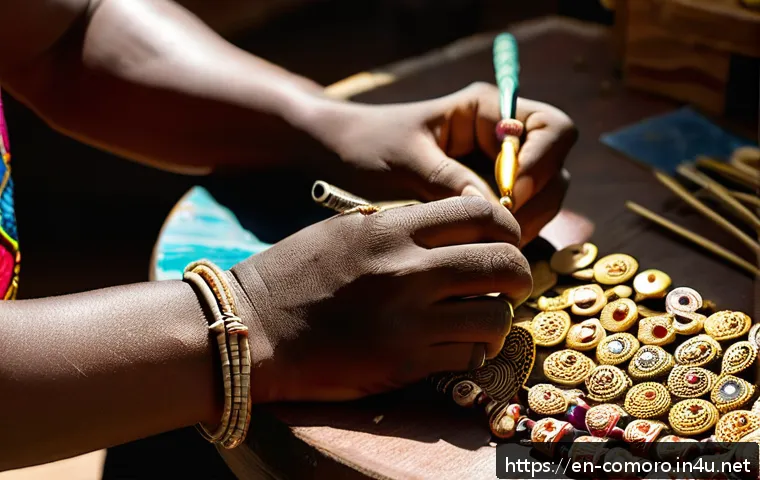
Comoros’ jewelry scene is a vibrant reflection of its rich cultural heritage, where every piece tells a story. The islands are renowned for their intricate silver and gold jewelry, often adorned with delicate filigree work that requires immense skill and patience.
Local artisans use traditional techniques passed down through generations, combining metals with colorful beads and semi-precious stones to create unique designs.
When you buy jewelry here, you’re not just picking up an accessory; you’re holding a piece of Comorian history crafted with love and expertise. I found that visiting small workshops in Moroni gives you a chance to watch artisans at work, making the experience all the more memorable.
Where to Find Authentic Pieces
Authentic jewelry is best sourced from local markets or artisan cooperatives, where you can engage directly with the makers. The central market in Moroni is a treasure trove for handcrafted pieces, but don’t hesitate to explore smaller villages where jewelry styles can vary significantly.
Prices are generally reasonable, but bargaining is part of the culture—approach it with respect and a smile, and you’ll often walk away with a great deal.
I’ve personally learned that the best buys often come after a friendly chat, so take your time, ask about the story behind each piece, and you’ll feel more connected to your purchase.
Tips for Choosing Jewelry That Lasts
When selecting jewelry, pay attention to the quality of materials and craftsmanship. Silver pieces may tarnish over time but can be easily polished, while gold items usually retain their shine longer.
Check the sturdiness of clasps and settings, especially if you plan to wear your jewelry frequently. Since many pieces are handmade, slight imperfections are normal and add to their charm.
I recommend asking the artisan about care instructions to ensure your treasure remains beautiful for years. Bringing home jewelry from Comoros means carrying a wearable story, and choosing wisely will keep that story alive.
Discovering the Fragrant World of Comorian Spices
Spices That Define Comorian Cuisine
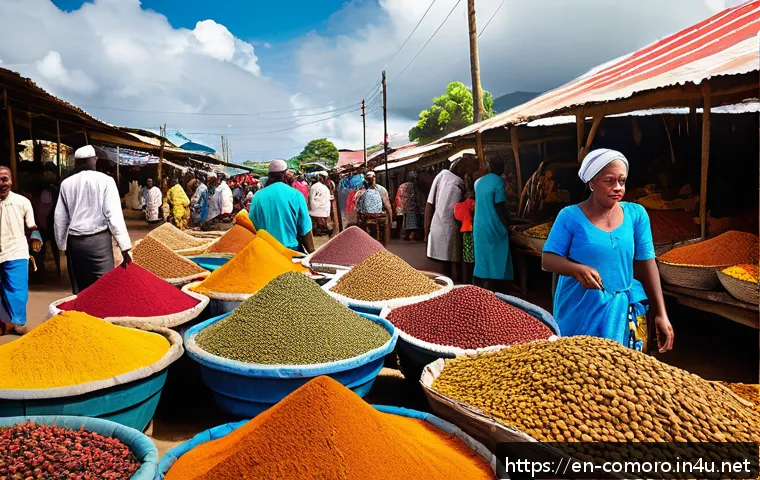
Comoros is often called the “perfume islands,” and for good reason—the air here is infused with the scent of spices like vanilla, clove, cinnamon, and cardamom.
These spices aren’t just ingredients; they’re cultural symbols deeply rooted in the islands’ history of trade and agriculture. When you stroll through local markets, you’ll be greeted by vivid displays and intoxicating aromas that instantly transport you.
I found the experience of selecting fresh spices firsthand incredibly rewarding, as it gave me a new appreciation for the flavors that make Comorian dishes so unique.
Best Places to Buy Spices
The spice markets in Moroni are the most popular spots, but for the freshest and highest quality, visiting spice plantations or cooperatives on smaller islands like Mohéli is a game-changer.
Many plantations offer tours where you can see how spices are grown and harvested, which adds an educational layer to your shopping. Buying directly from growers supports the local economy and ensures you get the purest products without additives.
I recall a visit to a vanilla farm where the farmer’s passion was contagious—it made me want to bring home every spice I saw!
How to Store and Use Your Spices
Once you’ve gathered your fragrant bounty, proper storage is key to preserving their aroma and flavor. Keep spices in airtight containers away from direct sunlight and moisture.
Whole spices tend to last longer than ground ones, so if possible, buy whole and grind them fresh at home. I’ve noticed that freshly ground Comorian spices elevate even simple recipes, adding warmth and depth.
Whether you’re a cooking enthusiast or just love the idea of aromatic souvenirs, these spices will bring a little island magic to your kitchen.
Vibrant Textiles That Tell a Story
Traditional Fabrics and Their Cultural Significance
Textiles in Comoros are more than just fabric—they’re a canvas of identity, tradition, and artistry. The islands are known for their colorful kangas and batik prints, often decorated with symbolic patterns that represent local beliefs, stories, and nature.
Wearing or gifting these textiles is a way to honor Comorian culture. During my travels, I was fascinated by how each piece seemed to capture the vibrant spirit of the islands, whether in bold colors or intricate motifs.
These textiles make perfect souvenirs for anyone who appreciates craftsmanship and cultural depth.
Where to Shop for Authentic Textiles
Markets in Moroni and smaller towns are filled with stalls selling textiles, but the best finds often come from artisan collectives or cooperatives where you can verify authenticity.
Many artisans create custom pieces, so if you have a design in mind, don’t hesitate to ask. Prices vary depending on the fabric and complexity of the design, but quality is usually reflected in the cost.
I personally enjoyed visiting a batik workshop where I learned about the painstaking dyeing process—it made me appreciate my purchase even more.
Caring for Your Textile Souvenirs
Proper care will ensure your textiles retain their vibrant colors and softness. Hand washing with mild detergent and air drying away from direct sunlight is recommended to prevent fading.
Some fabrics may require special treatment, so always check with the seller. I found that storing textiles rolled rather than folded helps avoid creases and preserves their beauty.
These textiles aren’t just souvenirs; they’re heirlooms that carry the warmth and story of Comoros with you.
Exploring Local Markets: More Than Just Shopping
The Heartbeat of Comorian Commerce

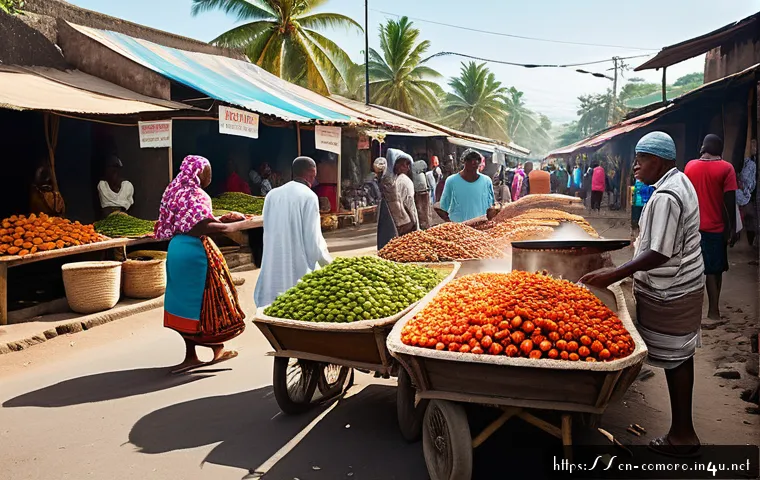
Comoros’ local markets are bustling hubs of life, where commerce blends seamlessly with social interaction. From fresh produce to handmade crafts, these markets are where you’ll find the pulse of daily island life.
I loved wandering through the vibrant stalls, soaking up the sights, sounds, and scents while discovering unexpected treasures. Shopping here isn’t just transactional; it’s an immersive cultural experience that offers insight into the islanders’ way of life.
How to Navigate Markets Like a Local
To make the most of your market visits, it helps to arrive early when the freshest goods are available and the atmosphere is lively but not overwhelming.
Engaging vendors with a friendly greeting in French or Comorian can open doors and lead to better prices. It’s also wise to carry small bills for easier transactions.
I’ve found that patience and a genuine smile go a long way in building rapport. Remember, bargaining is expected but should be done respectfully—think of it as a friendly dance rather than a confrontation.
Hidden Market Gems Worth Seeking Out
Beyond the usual souvenirs, markets often hide gems like rare spices, handmade musical instruments, or traditional medicinal herbs. Take your time to explore side alleys and less crowded corners—you never know what you might find.
I stumbled upon a vendor selling beautifully woven baskets that weren’t listed in any guidebook, and that surprise made my shopping experience unforgettable.
Markets in Comoros are full of stories waiting to be discovered along with unique keepsakes.
Handcrafted Home Decor to Brighten Your Space
Natural Materials and Sustainable Crafting
Comorian artisans excel in creating home decor items from natural materials like coconut shells, palm leaves, and local woods. These eco-friendly crafts reflect the islands’ connection to nature and sustainable living.
From intricately carved wooden bowls to woven lampshades, each piece is handmade with care and respect for the environment. I was amazed at the creativity and resourcefulness of local artists who transform simple materials into stunning decor that brings a touch of island warmth into any home.
Top Decor Items to Look For
Popular home decor souvenirs include carved wooden masks, woven baskets, and decorative boxes made from coconut shell. These items make perfect gifts or personal mementos and often come with stories about their cultural significance.
When shopping, ask about the crafting process—it adds meaning to your purchase and supports the artisans’ livelihoods. I found that bringing home a handcrafted basket not only brightened my living room but also sparked conversations about Comoros with visitors.
Integrating Comorian Decor into Your Home
Incorporating Comorian decor into your space can add a unique, exotic flair. Mixing these handcrafted pieces with modern interiors creates an inviting blend of tradition and contemporary style.
I’ve personally enjoyed using woven baskets for storage and carved wooden items as centerpiece accents. These items are durable and versatile, making them practical as well as beautiful.
Caring for them usually involves gentle cleaning with natural oils or dusting, ensuring they stay vibrant and cherished for years.
Sweet Treats and Local Delicacies to Savor
Delicious Flavors Unique to Comoros
Comorian cuisine is a delightful fusion influenced by African, Arab, and French traditions, with flavors that linger long after your trip. Sweet treats like honey-soaked coconut candies, nutty pastries, and vanilla-infused sweets are favorites among locals and visitors alike.
Sampling these delicacies gives you a taste of the islands’ hospitality and culinary heritage. I found trying these sweets at local markets and small bakeries added a delicious layer to my cultural exploration.
Where to Find the Best Local Snacks
Small shops and street vendors are the best places to discover authentic Comorian snacks. Prices are affordable, and the sellers often happily share stories about the origins of their recipes.
For longer-lasting treats, spice-infused honey and vanilla pods make excellent edible souvenirs that capture the essence of Comoros. I always make sure to pick up a few jars of honey and vanilla to bring home—it’s a sweet reminder of the islands that friends and family love as well.
Tips for Packing and Preserving Food Souvenirs
When bringing food souvenirs home, proper packing is essential to maintain freshness. Vacuum-sealed packaging is ideal for spices and dried goods, while sweets should be stored in airtight containers.
Check customs regulations before traveling to avoid any issues at the border. I’ve learned from experience that keeping edible souvenirs cool and dry during transit preserves their quality, allowing you to enjoy a taste of Comoros long after your journey ends.
| Souvenir Type | Where to Buy | Price Range | Best For | Care Tips |
|---|---|---|---|---|
| Handcrafted Jewelry | Moroni Markets, Artisan Workshops | $20 – $150 | Wearable Art, Gifts | Polish silver, avoid moisture |
| Spices (Vanilla, Clove) | Spice Markets, Plantations | $5 – $50 | Cooking, Aromatherapy | Store airtight, keep dry |
| Textiles (Kangas, Batik) | Local Markets, Artisan Cooperatives | $10 – $70 | Clothing, Decoration | Hand wash, air dry |
| Home Decor (Wood, Coconut) | Craft Shops, Markets | $15 – $100 | Interior Accents, Gifts | Dust regularly, natural oils |
| Local Sweets | Street Vendors, Bakeries | $3 – $20 | Snacks, Edible Gifts | Airtight packaging, cool storage |
In Conclusion
Exploring Comoros reveals a treasure trove of unique crafts and flavors that embody the islands’ vibrant culture. From handcrafted jewelry to fragrant spices and colorful textiles, each item carries a story and a piece of local heritage. Engaging with artisans and markets offers a deeper connection to the people and traditions behind these creations. Whether you’re a traveler or a collector, Comoros provides unforgettable experiences and meaningful souvenirs to cherish.
Useful Information to Keep in Mind
1. When buying jewelry, always check the quality and ask about care tips to ensure your pieces last for years.
2. Visiting spice plantations offers a richer understanding of Comoros’ agricultural heritage and guarantees fresh, high-quality products.
3. Authentic textiles are best purchased from artisan cooperatives, where you can often request custom designs.
4. Early visits to local markets help you find the freshest goods and create better connections with vendors.
5. Proper storage is essential for spices and food souvenirs to maintain their flavor and freshness during travel.
Key Takeaways
Understanding the cultural significance behind Comorian crafts enhances the value of your purchases and travel experience. Respectful bargaining and engaging with artisans enrich your connection to the islands. Prioritize quality and proper care for your souvenirs to preserve their beauty and story. Supporting local artisans and growers helps sustain traditional practices and the community’s livelihood. Lastly, immerse yourself fully in market life to discover hidden gems beyond typical tourist items.
Frequently Asked Questions (FAQ) 📖
Q: uestions about Comoros SouvenirsQ1: What are the must-buy souvenirs that truly represent Comoros culture?
A: When visiting Comoros, some of the most authentic souvenirs include handcrafted jewelry made from local materials like silver and coconut shell, aromatic spices such as vanilla and cloves, and vibrant handwoven textiles that showcase traditional patterns.
These items not only reflect the islands’ rich heritage but also support local artisans. From my own experience, picking up a small jar of vanilla pods was a fragrant reminder of the islands long after I returned home.
Q: Where is the best place to shop for genuine Comorian crafts and avoid tourist traps?
A: The best shopping experiences happen at local markets and artisan cooperatives rather than large tourist shops. In Moroni, the capital, the central market offers a treasure trove of spices, textiles, and handmade goods where you can interact directly with the sellers.
I found that chatting with the artisans themselves gave me deeper insights into their craft and ensured the authenticity of what I purchased. Avoiding flashy souvenir stores often means better quality and fairer prices.
Q: How can I ensure my souvenirs are sustainably and ethically made?
A: To support ethical purchasing, look for items that are clearly handmade by local communities or cooperatives. Many artisans in Comoros take pride in sustainable practices, using natural materials and traditional techniques passed down through generations.
Asking questions about the origin of the product and how it was made can reveal a lot. On my trip, I found that vendors who openly shared their stories and production methods were trustworthy, making me feel good about my purchases both culturally and ethically.