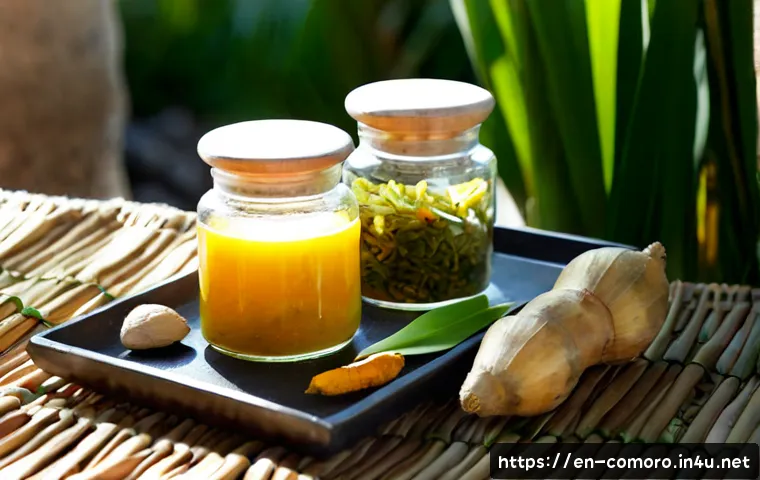
Comorian herbal traditions are best explored as cultural and botanical knowledge, not as a substitute for personal medical treatment. The safest starting point is to match the product type to your goal: culinary spices for food, herbal teas for simple infusions, and ylang-ylang essential oil for fragrance or cosmetic routines.
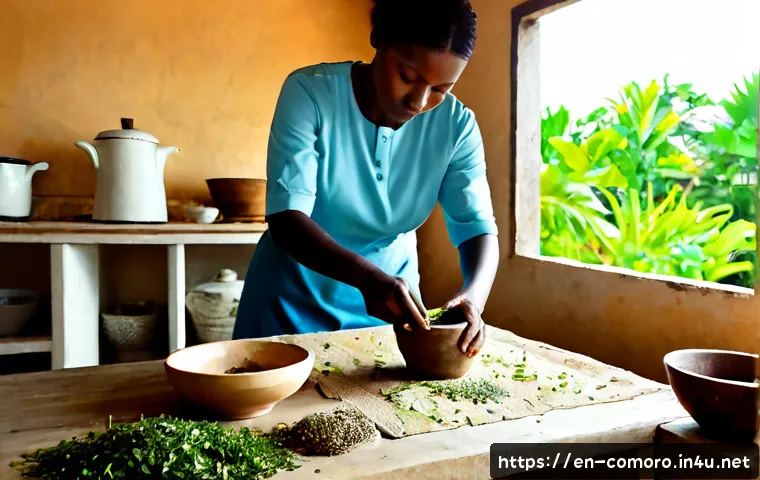
Comoros is an Indian Ocean archipelago between eastern Africa and Madagascar, known for aromatic and spice crops such as ylang-ylang, cloves, and vanilla.
Because plant knowledge is often shared through families and communities, practices may differ across islands and households. Product labels, botanical names, extraction details, and clear safety instructions matter more than marketing language alone.
For shoppers, traceable herbal teas, botanical oils, and ethically sourced aromatics are usually easier to compare when the origin and ingredients are clearly stated.
At a Glance
- Comorian plant traditions offer cultural context, but they do not confirm a plant’s medical use, dose, or suitability for every person.
- Cloves, herbal infusions, infused oils, and essential oils are different product categories and should not be used interchangeably.
- For a more responsible purchase, check the botanical name, origin, ingredients, extraction method, and safety guidance.
| Product Type | Common Purpose | Caution Level | What to Check Before Buying |
|---|---|---|---|
| Culinary spice | Cooking, flavor exploration | Lower when used as a food ingredient | Ingredient list, freshness, country of origin if stated |
| Herbal tea or infusion | Simple home beverage and botanical exploration | Moderate; plant identity and intended use matter | Botanical name, full ingredients, preparation instructions, warnings |
| Infused oil | Topical or cosmetic-style use, depending on the label | Moderate; ingredients and intended application matter | Carrier oil, plant ingredients, storage directions, topical-use guidance |
| Essential oil | Fragrance, perfumery, personal-care routines | Higher; it is a concentrated product | Botanical name, extraction method, origin record, dilution and safety instructions |
What Comorian Plant Traditions Can—and Cannot—Tell You
The Role of Aromatic Crops, Spices, and Household Plant Knowledge
The Comoros is widely associated with aromatic and spice crops, including ylang-ylang, cloves, and vanilla. These crops can be a useful entry point for travelers and botanical-product shoppers who want to learn about Indian Ocean food, fragrance, and household traditions. However, traditional plant knowledge is often passed through families and local communities rather than collected in one standardized written system.
That matters when reading a product description. A broad phrase such as “Comorian herbal tradition” may describe cultural inspiration, an ingredient origin, or a fragrance profile. It does not automatically explain how a specific plant was prepared in every household or community.
Why Cultural Practice Is Not the Same as Verified Medical Treatment
Learning about traditional practices can be meaningful, but cultural use is not the same as a verified treatment claim. Specific recipes, doses, and health uses may not be independently documented. A plant also changes significantly depending on whether it is used as food, steeped in water, blended into an oil, or distilled into an essential oil.
Be cautious with products that promise to treat, prevent, or cure a condition without clear evidence and appropriate professional guidance. This is especially important for people who are pregnant, caring for children, living with a chronic condition, or taking medication.
Three Quick Rules for Exploring Botanical Products Responsibly
- Choose the least concentrated format that fits your purpose. For cooking, start with a culinary spice rather than a concentrated extract.
- Read the label as a safety document. Look beyond front-label claims and review ingredients, intended use, and warnings.
- Keep cultural interest separate from health assumptions. A product can be enjoyable for aroma, cooking, or education without being treated as a remedy.
Common Botanical Categories to Understand Before Buying or Using
Culinary Spices Such as Cloves: Food Use Versus Concentrated Extracts
Cloves are among the spice crops associated with Comorian agriculture. A culinary clove product is generally selected for flavor and cooking use, while a concentrated extract or essential oil is a different type of item with different handling needs. The word “clove” on a label is not enough; check whether the product is a whole spice, ground spice, tea blend, infused oil, or concentrated aromatic product.
If your goal is a food experience, a basic culinary spice is often the more practical choice. It is simpler to identify, easier to use within a recipe, and does not require the same assumptions as a premium aromatic oil. A more expensive product is not automatically a better fit when the desired result is simply flavor.
Ylang-Ylang: Fragrance Tradition, Essential Oil, and Cosmetic Use
Ylang-ylang flowers are processed into a fragrant essential oil used primarily in perfumery and personal-care products. This makes ylang-ylang a logical choice for someone looking for an aromatic experience rather than a culinary ingredient. When shopping, distinguish between a fragrance product that includes ylang-ylang, a botanical cosmetic, and a bottle of essential oil.
An essential oil is concentrated. It should not be treated as equivalent to fresh flowers, leaves, or food spices. Look for clear directions about intended use, storage, dilution, and whether the product is designed for topical cosmetic use, fragrance use, or another purpose described by the seller.
Herbal Infusions, Infused Oils, and Essential Oils Are Not Interchangeable
These names may sound similar, but they describe different preparations. An herbal infusion is a water-based preparation. An infused oil generally combines plant material with an oil base. An essential oil is a concentrated aromatic product. Their ingredients, strength, and safety considerations can differ substantially.
Do not convert directions from one product format to another. A tea label does not provide guidance for an essential oil, and a cosmetic oil label does not establish that a product is meant for food use. If the label is vague about what the product is and how it should be used, choosing another option is the clearer decision.
Comparing Product Types, Quality Signals, and Value
Comparison Table: Preparation, Typical Purpose, Convenience, and Caution Level
The table above provides a practical buying framework: select a product based on the experience you want, then compare its safety information and sourcing details. For cooking, a culinary spice may offer the best value. For a scent-focused routine, a well-labeled aromatic product may be more relevant. For cultural learning, a product with transparent origin information can be more informative than a generic item using regional imagery.
What to Check on Labels: Botanical Name, Ingredient List, Origin, and Extraction Method
A useful botanical product label makes comparison easier. Start with the botanical name, when provided, because common names can be broad or used inconsistently. Next, review the complete ingredient list. This is especially useful for teas, blended oils, cosmetics, and fragrance products that may contain more than one plant-derived ingredient.
For oils, check whether an extraction method is stated. For products marketed as Comorian, look for a country-of-origin record or other traceable sourcing information. Do not assume that “Comorian-inspired” or a similar phrase proves that a plant was grown, harvested, or processed in Comoros.
When a Lower-Cost Culinary Product Is the Better Choice Than a Premium Oil
A premium aromatic oil may be appealing as a fragrance or gift item, but it is not automatically the best value. If you want to explore clove flavor in food, a culinary spice is a more direct match. If you want a simple botanical beverage, a clearly labeled herbal tea may be easier to assess than an oil product.
Reserve a higher-priced essential oil for a specific aromatic or personal-care purpose, and only when the label provides enough detail to support an informed choice. Paying more for a product without transparent ingredients, origin information, or safety instructions does not create added confidence.
Safer Preparation and Use: Avoiding Common Mistakes
Food Use, Tea Preparation, and Topical Use Require Different Precautions

Before using any botanical product, identify the category first. Food ingredients belong in a culinary context. Tea products should have clear preparation guidance. Topical products should state that they are intended for skin or cosmetic use. A product’s format and label instructions should guide its use rather than a general online claim about the plant.
If you have allergies, are unsure about an ingredient, or are considering a product for a health-related reason, a pharmacist or qualified healthcare professional can help you assess your situation.
Why Undiluted Essential Oils and Unverified Internal Use Can Be Risky
Essential oils are concentrated products. They should not be treated like fresh flowers, leaves, culinary spices, or a standard tea ingredient. Using a concentrated aromatic oil without clear label instructions creates avoidable uncertainty, particularly when someone assumes that a natural product is automatically mild.
Avoid treating unverified internal-use claims as a substitute for product safety information. If a seller does not clearly explain the product’s intended use, ingredients, and precautions, choose a product with more transparent guidance.
Patch Testing, Storage, Allergies, and Medication-Related Caution
For topical botanical products, follow the product’s safety directions and consider a cautious patch test before broader use. Store products according to label directions, and keep them away from children when the packaging indicates this is necessary. Stop using a product if you notice an unwanted reaction.
Extra care is appropriate when pregnancy, children, chronic conditions, allergies, or medication use are involved. Whether a particular plant preparation is suitable in these circumstances requires individual confirmation; it should not be assumed from a cultural tradition or a marketing description.
Choosing an Approach for Your Situation
For Cooking and Flavor Exploration
Choose culinary spices with a clear ingredient list. Cloves are a straightforward option for readers interested in the spice side of Comorian agriculture. Focus on food use and flavor rather than trying to turn a cooking ingredient into a concentrated wellness product.
For Fragrance and Home-Care Routines
Choose a ylang-ylang product according to its stated purpose. A personal-care product may be useful for someone who prefers a ready-made format, while an essential oil requires closer attention to usage instructions and concentration. Compare labels for botanical identity, ingredients, extraction information, and safety wording.
For Cultural Learning Without Making Health Assumptions
Look for products that explain their sourcing clearly and respectfully. A tea, spice, aromatic oil, or fragrance can support cultural exploration when the seller provides transparent information about what the product contains and where it comes from. Avoid filling gaps in documentation with assumptions about universal island-wide recipes or medical effects.
When to Seek Qualified Medical or Pharmacy Advice Instead
Seek qualified advice when you are considering a botanical product for a medical concern, when you take medication, or when the intended user is pregnant, a child, or someone with a chronic condition. A product label can support a purchase decision, but it cannot replace individual safety guidance.
Selection Criteria and Comparison Summary
Before choosing a Comorian tea, spice, oil, or botanical cosmetic, compare these five points:
- Product category: Is it a culinary spice, herbal tea, infused oil, cosmetic, fragrance, or essential oil?
- Botanical and ingredient details: Does the label provide a botanical name where relevant and a complete ingredient list?
- Origin transparency: Does it state a country of origin or explain sourcing without making vague regional claims?
- Extraction and intended use: For oils, is the extraction method and intended application clearly described?
- Bottle size and safety information: Compare bottle sizes alongside the label directions, storage guidance, and any stated precautions.
For ethical sourcing, ask whether the seller can identify the product’s origin, processing details, and the difference between a Comorian-grown ingredient and a product merely inspired by the region. The best choice depends on your goal: choose a culinary spice for cooking, a clearly labeled aromatic product for fragrance, a traceable item for gifting, and transparent sourcing information for educational exploration. Check the product page for full ingredient, origin, and safety details before purchasing.
In Closing
Comorian aromatic and spice crops offer an interesting way to explore Indian Ocean culture through food, scent, and botanical products. The most useful habit is simple: match the preparation to the purpose. Culinary ingredients, teas, infused oils, and essential oils each require different expectations. Transparent labels and responsible sourcing are more valuable than dramatic wellness claims.
Useful Things to Know
Ylang-ylang is primarily associated with fragrant essential oil used in perfumery and personal care. Cloves can be approached first as a culinary spice. A product’s country-of-origin statement should be checked rather than inferred from its name or packaging. Traditional knowledge can vary between households and communities. Concentrated essential oils should always be considered a separate category from fresh or culinary plant materials.
Important Notes
This information is intended for cultural learning and product-comparison purposes. It does not establish specific traditional recipes, doses, treatment claims, or suitability for pregnancy, children, chronic conditions, or medication use. Product origin, harvesting, and processing in Comoros should be confirmed through transparent records rather than assumed from marketing language.
Frequently Asked Questions
Q1. Are Comorian traditional herbs safe to use as home remedies?
A1. Safety cannot be assumed from a plant’s cultural association or traditional use. Preparation, concentration, dose, ingredients, and an individual’s health situation can all change the risk. Use clear product labels, avoid unsupported treatment claims, and seek qualified medical or pharmacy advice for health-related decisions.
Q2. Is ylang-ylang oil from Comoros worth paying more for?
A2. It may be worth considering if your goal is fragrance or personal-care use and the product provides transparent botanical, origin, extraction, ingredient, and safety information. A higher price alone does not confirm quality or Comorian origin. Compare the label, bottle size, and sourcing details before deciding.
Q3. What should I check before buying Comorian herbal teas, spices, or essential oils?
A3. Check the product category first, then review the botanical name where available, complete ingredients, country of origin, extraction method for oils, intended use, bottle size, and safety instructions. For products described as Comorian, look for traceable sourcing rather than relying on regional imagery or broad marketing language.