France took control of Mayotte in the 1840s and later established protectorates over the other Comorian islands. Learn the key dates, the 1974–75 independence split, and how Mayotte followed a different path.
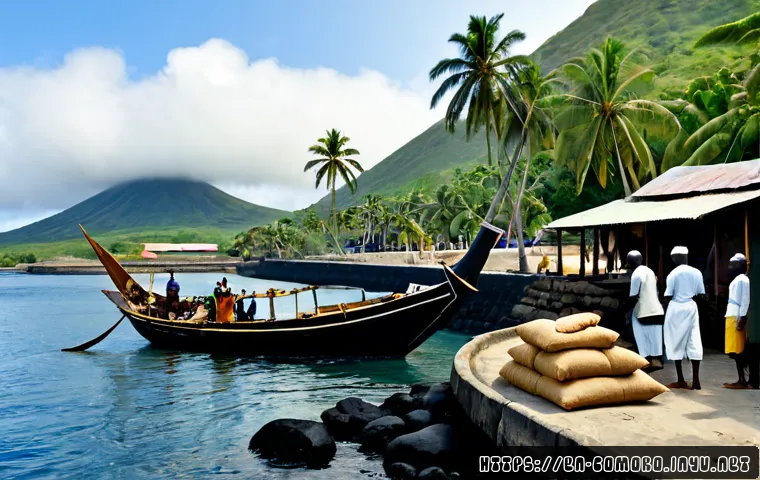
France established formal rule in Mayotte in 1843 after acquiring the island through a treaty in 1841, then created protectorates over Grande Comore, Anjouan, and Mohéli in 1886.
The State of Comoros declared independence on 6 July 1975, while Mayotte remained under French administration and later became a French overseas department.
The key point is that the islands shared parts of a colonial history but did not follow one identical political path after the 1974 referendum. A clear timeline helps students and travelers avoid treating “Comoros” and “Mayotte” as interchangeable terms.
For deeper study, the best resource depends on whether you need a broad overview, academic interpretation, French-language archival material, or local historical context.
Island-specific coverage and competing perspectives matter more than a simple colonial timeline.
At a Glance
- France acquired Mayotte by treaty in 1841, and formal French rule was established there in 1843.
- Grande Comore, Anjouan, and Mohéli became French protectorates in 1886 and were later administered through colonial Madagascar.
- After the 1974 referendum, the State of Comoros declared independence in 1975, while Mayotte remained linked to France.
| Island or Group | French Colonial Status | 1974 Referendum Direction | Political Path After 1975 |
|---|---|---|---|
| Mayotte | Acquired by France in 1841; formal French rule established in 1843 | Voted separately to remain connected to France | Remained under French administration; became a French overseas department in 2011 |
| Grande Comore | French protectorate from 1886 | Part of the overall vote for independence | Part of the State of Comoros after the 1975 declaration of independence |
| Anjouan | French protectorate from 1886 | Part of the overall vote for independence | Part of the State of Comoros after the 1975 declaration of independence |
| Mohéli | French protectorate from 1886 | Part of the overall vote for independence | Part of the State of Comoros after the 1975 declaration of independence |
The Short Answer: How French Rule Shaped the Comorian Archipelago
French rule did not begin at the same time or take the same form across the Comorian archipelago. Mayotte entered formal French rule earlier, while Grande Comore, Anjouan, and Mohéli were placed under French protectorate arrangements later. This difference is essential for understanding why the archipelago reached two different political outcomes after the 1974 referendum.
France’s Early Foothold in Mayotte
France acquired Mayotte through a treaty with Sultan Andriantsoly in 1841. Formal French rule was established there in 1843. For a basic historical timeline, this is the starting point: Mayotte’s formal relationship with France began decades before the other islands were placed under French protectorates.
Protectorates Over the Other Islands
France established protectorates over Grande Comore, Anjouan, and Mohéli in 1886. A protectorate is not identical to direct possession in every administrative or political sense, so readers should avoid flattening all colonial arrangements into one label. A good history book or academic source should explain how the status of each island changed over time.
Why One Archipelago Developed Two Political Outcomes
The 1974 referendum produced an overall vote for independence across the Comorian archipelago. However, Mayotte voted separately to remain connected to France. The State of Comoros declared independence on 6 July 1975, while Mayotte stayed under French administration. The common mistake is assuming that every island made the same choice or had the same colonial experience.
From Mayotte’s Cession to Colonial Administration
The colonial timeline is easier to follow when it is divided into three stages: Mayotte’s earlier connection to France, the protectorates of 1886, and later administration through Madagascar. This framework gives a useful overview, but it should not replace island-specific research.
The 1841 Treaty and Formal French Possession
The 1841 treaty with Sultan Andriantsoly transferred Mayotte to France, and French rule was formally established in 1843. When comparing sources, check whether an author distinguishes between the treaty date and the date formal rule was established. Both dates matter, but they describe different moments in the process.
Protectorate Arrangements in Grande Comore, Anjouan, and Mohéli
In 1886, France established protectorates over Grande Comore, Anjouan, and Mohéli. For students, an introductory guide may be enough to establish the sequence of events. For a research paper, it is worth looking for academic databases or specialist studies that explain how protectorate administration operated on each island.
Administration Through Colonial Madagascar
In 1912, the Comorian islands were administratively linked to the French colony of Madagascar. This administrative connection is important because it places Comorian history within a wider Indian Ocean and French colonial setting. It also means that useful primary material may appear in French-language archival collections connected to Madagascar as well as the islands themselves.
A Comparison of the Islands Before and After Independence
A side-by-side comparison prevents a misleading “one archipelago, one outcome” narrative. The islands shared colonial connections, but the timing of French control and the political result after 1974 were not identical.
Mayotte Versus Grande Comore, Anjouan, and Mohéli
Mayotte’s formal French status began in the 1840s. Grande Comore, Anjouan, and Mohéli entered French protectorate arrangements in 1886. By 1946, the Comoros became a French overseas territory, bringing greater formal political representation than under the earlier colonial administration. That shared territorial framework did not erase the islands’ different historical relationships with French rule.
The 1974 Referendum and Separate Island-Level Results
The 1974 referendum is central to any account of decolonization in the archipelago. There was an overall vote for independence, but Mayotte voted separately to remain connected to France. When using a documentary, classroom resource, or heritage guide, ask whether it clearly explains this separate result rather than presenting the referendum as a single, uniform decision.
Independence in 1975 and the Continuing Mayotte Question
The State of Comoros declared independence on 6 July 1975. Mayotte remained under French administration and became a French overseas department in 2011. Its differing status has remained a major political and diplomatic issue between France and the Union of the Comoros. Historical facts should be separated from present-day political positions, especially when reading commentary or travel-oriented material.
Social, Economic, and Cultural Effects to Examine Carefully
Colonial history is not only a sequence of treaties and administrative changes. It also involves land, agriculture, labor, language, institutions, and local political life. However, the precise experiences of Comorian communities varied by island, class, occupation, and period, so broad claims need careful sourcing.
Land, Agriculture, Labor, and Colonial Economic Priorities
These topics deserve close attention because they can reveal how colonial administration affected daily life and local economies. Do not rely on a general summary alone when studying labor conditions, population figures, or economic patterns. Those questions should be checked against current academic research and archival records.
French Institutions, Language, and Local Political Life

French administration shaped formal institutions and political representation, particularly after the Comoros became an overseas territory in 1946. French-language sources may be especially useful for tracing official documents and administrative records. Still, a source written in French is not automatically more complete; readers should check whose perspective is represented and which islands receive attention.
Avoiding Oversimplified “Benefit Versus Harm” Narratives
Colonial history should not be reduced to a simple balance sheet. A reliable account identifies changes in administration and representation while also asking how power, resources, and decision-making were distributed. Look for works that acknowledge competing interpretations and avoid presenting one island’s experience as the experience of the entire archipelago.
Researching the Topic: Sources, Tours, and Study Options
The right research tool depends on your goal. A traveler preparing for a heritage visit needs a different level of detail from a student writing a paper or a researcher examining French colonial records.
When to Choose an Introductory History Book
Choose an introductory history book when you need a readable timeline, basic context for French colonialism, and a clear explanation of the 1974–75 split. Before selecting one, check whether it covers Mayotte separately and whether it discusses Grande Comore, Anjouan, and Mohéli beyond a single combined paragraph.
When Academic Journals and French-Language Archives Add Value
Academic databases are more useful when your question concerns referendum interpretations, colonial administration, labor, population, or island-level political history. French-language archives or archival translation help may be worthwhile when a project depends on original official records. Check the collection description, document dates, translation scope, and source citations before paying for research assistance.
What to Check Before Booking a Heritage Guide or Paying for Research Support
For a guided heritage visit, ask whether the guide can explain the distinction between Mayotte and the independent Comorian islands. For research support, ask whether the service identifies its sources and distinguishes archival transcription, translation, and historical interpretation. A useful guide or researcher should be comfortable saying when a document needs further verification.
Choosing Reliable Resources and Comparing Perspectives
Reliable research begins with matching the source to the question. A broad history guide can establish the timeline, while specialist materials are better for contested interpretations and detailed local history.
Criteria for Books, Archives, Documentaries, and Guided Visits
Use four simple checks: author expertise, island-specific coverage, use of primary sources, and treatment of competing perspectives. A documentary or museum display can be useful for orientation, but it should not be your only source for politically contested issues.
Questions to Ask About Island-Specific Coverage
Does the resource distinguish Mayotte’s 1841–43 transition from the 1886 protectorates? Does it explain the 1912 administrative link to Madagascar? Does it describe the 1974 referendum as an overall independence vote while also noting Mayotte’s separate result? These questions quickly reveal whether a source is precise or overly general.
A Practical Summary for Students, Travelers, and Researchers
Students can start with a well-cited introductory history and move to academic databases for a paper. Travelers may benefit from a heritage guide that addresses local history with care rather than repeating a simplified colonial story. Researchers working with official records may need French-language archival material or translation support, especially when comparing administrative documents and later interpretations.
Selection Criteria and Comparison Summary
Before choosing a book, archive subscription, translation service, or heritage tour, check these points: Does it separate Mayotte from the other islands? Does it identify the 1841, 1843, 1886, 1912, 1946, 1974, 1975, and 2011 milestones accurately? Does it cite primary sources or current academic work? Does it recognize that political and diplomatic interpretations remain contested? Finally, choose the level of detail that fits your purpose rather than paying for specialist access when a general overview is sufficient. For subscriptions, archive access, or guided visits, review the source description and detailed terms on the relevant provider page.
Conclusion
French colonial history in the Comorian archipelago cannot be understood through one date or one island alone. Mayotte’s earlier French connection and its separate 1974 result help explain why it followed a different path after Comorian independence in 1975. Grande Comore, Anjouan, and Mohéli shared key stages of French protectorate and territorial administration, but local experiences still require careful, island-specific study. The most reliable approach is to combine a clear timeline with sources that recognize competing perspectives.
Useful Points to Remember
1841: France acquired Mayotte through a treaty with Sultan Andriantsoly.
1843: Formal French rule was established in Mayotte.
1886: France established protectorates over Grande Comore, Anjouan, and Mohéli.
1912: The islands were administratively linked to colonial Madagascar.
1975: The State of Comoros declared independence on 6 July.
Important Notes
Personal experiences under French administration varied across islands and social groups. Claims about colonial-era population, labor conditions, or the interpretation of referendum results should be checked against current scholarly work and archival records. Mayotte’s legal and diplomatic status remains politically contested, so historical description should not be confused with endorsement of any present-day position.
Frequently Asked Questions
Q1. When did France colonize the Comoros?
A1. France acquired Mayotte in 1841, and formal French rule was established there in 1843. France later established protectorates over Grande Comore, Anjouan, and Mohéli in 1886. The islands were administratively linked to colonial Madagascar in 1912.
Q2. Why did Mayotte remain linked to France after Comoros became independent?
A2. In the 1974 referendum, there was an overall vote for independence across the archipelago, but Mayotte voted separately to remain connected to France. The State of Comoros declared independence in 1975, while Mayotte remained under French administration and became a French overseas department in 2011.
Q3. What are the best resources for studying French colonial history in Comoros accurately?
A3. Start with an introductory history that clearly distinguishes Mayotte from Grande Comore, Anjouan, and Mohéli. For detailed work, use academic databases, French-language archival sources, and well-documented museum or heritage materials. Prioritize sources that identify their evidence, cover individual islands, and acknowledge competing interpretations.