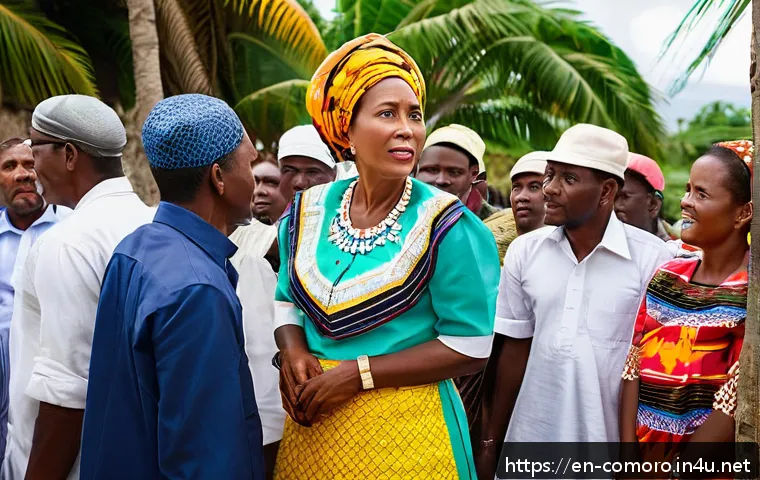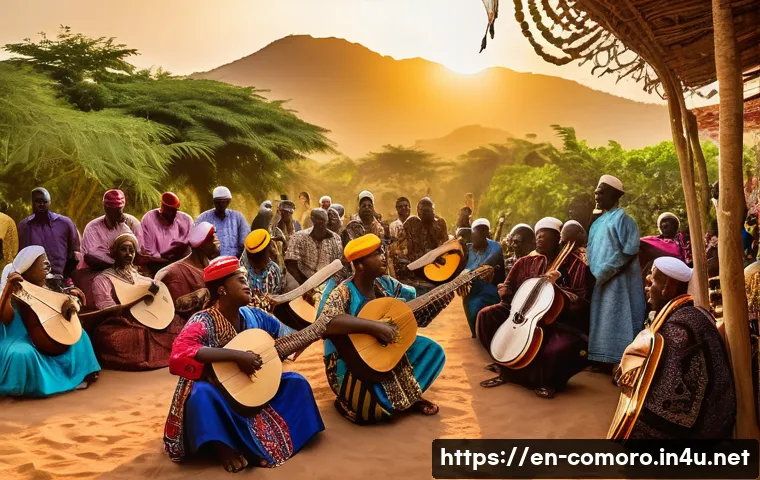
The traditional music and dance of Comoros offer a vibrant glimpse into the island nation’s rich cultural tapestry. Rooted in African, Arab, and Malagasy influences, these art forms express stories, celebrations, and daily life with captivating rhythms and graceful movements.
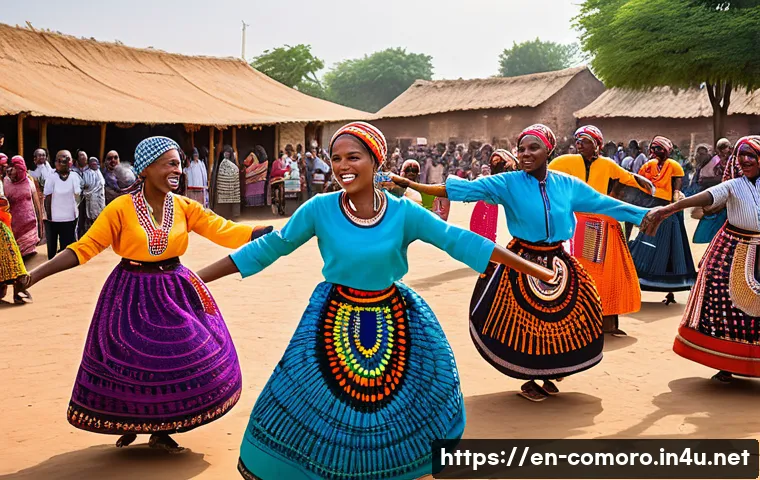
Experiencing Comorian music and dance reveals a unique blend of heritage that continues to thrive in modern times. From the hypnotic beats of the twarab genre to the spirited dances performed during festivals, there’s a deep connection between the people and their artistic expression.
If you’re curious about how these traditions shape Comorian identity and community, let’s dive into the details together. Get ready to uncover the fascinating world of Comoros’ traditional music and dance!
Echoes of Heritage: Instruments That Shape the Soundscape
The Oud and Its Melodic Legacy
The oud, a pear-shaped string instrument, is one of the cornerstones of Comorian music. Its rich, warm tones carry the soul of many traditional songs, weaving tales of love, history, and spirituality.
What’s fascinating is how the oud’s presence in Comoros reflects the Arab influence, yet the way locals play it incorporates African rhythmic patterns, creating a sound that feels both familiar and exotic.
When I first heard an oud performance during a village celebration, I was struck by how its melodies seemed to float effortlessly over the crowd’s chatter, uniting everyone in shared emotion.
It’s not just an instrument; it’s a vessel of identity.
Percussion’s Pulse: Drums and Rhythmic Foundations
Percussion instruments, especially hand drums like the ngoma, form the heartbeat of Comorian music. These drums aren’t mere background elements; they guide dancers’ steps and singers’ phrasing with complex, hypnotic rhythms.
In community gatherings, drummers often engage in call-and-response patterns, sparking spontaneous moments of musical conversation. Experiencing these rhythms live, you feel the energy ripple through the air, compelling even the shyest onlookers to tap their feet or nod along.
The physicality of drumming connects deeply with communal life, marking celebrations and rites of passage alike.
The Role of the Violin in Storytelling
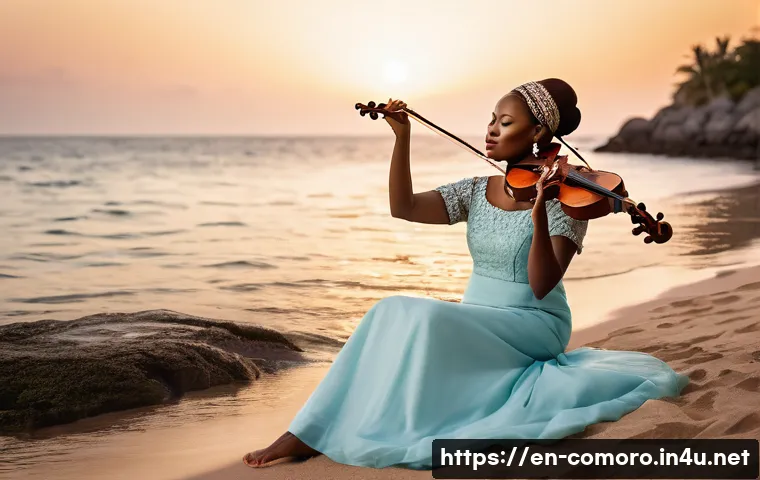
Though less common than other instruments, the violin has carved a niche in Comorian music, particularly in coastal regions. Its ability to mimic the human voice makes it an ideal storyteller’s companion.
When paired with vocals, the violin adds emotional depth, highlighting the narrative’s highs and lows. I recall attending a wedding where a violinist’s soulful playing brought tears to many eyes, illustrating how this instrument transcends language barriers.
The violin’s presence underscores Comoros’ openness to diverse musical influences while preserving authentic storytelling traditions.
Rhythmic Journeys: The Dance Forms That Define Community
Twarab: The Soulful Fusion
Twarab is not just a genre; it’s a lived experience combining music and dance into a hypnotic celebration. Rooted in Swahili coastal culture but infused with local flavors, twarab performances feature intricate footwork and expressive hand gestures.
When I observed a twarab dance session, it was clear that each movement carried meaning, whether expressing joy, longing, or social commentary. The dancers’ seamless coordination with the music creates a mesmerizing loop, inviting everyone present to become part of the story.
This dance form remains a powerful social glue, binding generations and communities.
Traditional Festival Dances: Rituals in Motion
During festivals, traditional dances take center stage, serving both entertainment and ritualistic purposes. These dances often honor ancestors, celebrate harvests, or mark important life events.
What sets them apart is the communal participation — from elders guiding the steps to children eagerly learning the moves. I’ve noticed that these dances emphasize circular formations, symbolizing unity and continuity.
The shared experience of moving together, chanting, and drumming fosters a profound sense of belonging, reinforcing cultural values in a way words alone cannot.
Expressive Movement and Costume Symbolism
Dance in Comoros is as much about visual storytelling as it is about rhythm. Costumes play a crucial role, with colors and patterns indicating social status, age, or the specific occasion.
Vibrant fabrics flutter as dancers spin, while intricate beadwork catches the light, adding layers of meaning. Personally, watching these dances felt like stepping into a living canvas, where every gesture and garment spoke volumes.
This attention to detail highlights how dance serves as a dynamic archive of Comorian heritage, preserving traditions through movement and adornment.
Voices of the Islands: Vocal Styles and Song Themes
Call-and-Response Singing: A Communal Dialogue
One of the most engaging features of Comorian vocal music is the call-and-response technique. This style encourages interaction between the lead singer and the audience or chorus, creating a lively, participatory atmosphere.
I’ve been part of gatherings where even strangers joined in the chorus, breaking barriers and fostering connection. The repetitive, rhythmic nature of the singing helps embed stories and moral lessons in listeners’ minds, making oral tradition both entertaining and educational.
Lyrical Content: Stories of Everyday Life and Beyond
Comorian songs often tell stories that resonate deeply with daily experiences — love, struggle, faith, and community bonds. What stands out is the poetic way these themes are expressed, blending metaphor with straightforward emotion.
I was moved by songs recounting fishermen’s lives, capturing the sea’s dangers and beauty in vivid imagery. This lyrical richness adds layers to the music, making it not only a form of entertainment but also a medium for preserving collective memory.
The Role of Language and Multilingualism
Singers frequently switch between Comorian dialects, Arabic, and French, reflecting the islands’ multicultural makeup. This linguistic fluidity enriches the music’s texture and accessibility, allowing it to reach diverse audiences.
From personal experience, hearing a song transition smoothly between languages felt like a bridge connecting different worlds, underscoring Comoros’ complex identity.
Such multilingualism ensures that traditional music remains relevant and inclusive in a globalized era.
Keeping Traditions Alive: Contemporary Adaptations and Challenges
The Impact of Modern Technology
Technology has been a double-edged sword for Comorian traditional arts. On one hand, recording and sharing music online helps preserve and spread these cultural treasures beyond the islands.
I’ve discovered talented Comorian artists on streaming platforms who blend traditional sounds with modern beats, making the music accessible to younger generations worldwide.
On the other hand, there’s a risk that commercialization might dilute authentic expressions. Balancing preservation with innovation remains an ongoing conversation among artists and cultural leaders.
Youth Engagement and Cultural Education
Engaging younger generations is crucial for sustaining Comoros’ musical and dance heritage. Local schools and community groups often organize workshops and performances to teach traditional skills.
I attended one such workshop where young people eagerly learned to play drums and perform dances, showing genuine enthusiasm. These efforts not only pass on technical knowledge but also instill pride and identity.
Encouraging youth participation ensures that these traditions continue to evolve organically, rather than fading away.
Challenges of Urbanization and Migration
As more Comorians move to urban centers or abroad, maintaining a connection to traditional arts becomes harder. The rhythms and dances tied to village life risk being left behind amid modern lifestyles.
However, diaspora communities actively recreate cultural events in foreign countries, preserving their heritage through festivals and gatherings. From conversations with expatriates, it’s clear that music and dance remain powerful anchors, providing comfort and a sense of home despite geographic distance.
Community and Celebration: Music and Dance as Social Glue
Marking Life’s Milestones
Music and dance in Comoros are inseparable from life’s key moments — births, weddings, funerals, and religious holidays. Each event features specific songs and dances tailored to its meaning, creating a rich tapestry of rituals.
Witnessing a wedding celebration firsthand, I noticed how music shaped the entire atmosphere, from solemn prayers to joyous dancing that lasted well into the night.
These practices reinforce social bonds and collective identity, helping communities navigate change and continuity.
Gender Roles in Performance
Traditionally, certain dances and songs are gender-specific, reflecting cultural norms and values. Men often take on drumming and energetic dances, while women’s performances emphasize grace and storytelling.
I found it intriguing how these roles, while distinct, complement each other, creating a balanced expression of community life. Recent shifts show some blending of roles, signaling evolving attitudes while respecting tradition.
This dynamic interplay enriches the cultural landscape, making it vibrant and inclusive.
Spiritual and Religious Dimensions
Many musical and dance practices carry spiritual significance, linked to Islamic beliefs and local customs. Performances often invoke blessings, celebrate saints, or accompany rituals.
Experiencing a religious festival, I was struck by how music facilitated a deep sense of reverence and communal devotion. The intertwining of faith and art highlights how culture in Comoros serves both worldly and spiritual needs, offering a holistic expression of identity.
Traditional Comorian Music and Dance at a Glance
| Aspect | Description | Cultural Significance |
|---|---|---|
| Oud | Pear-shaped string instrument with warm melodic tones | Reflects Arab influence and serves as a storytelling medium |
| Ngoma Drums | Hand drums providing complex, hypnotic rhythms | Central to dance and communal celebrations |
| Twarab Dance | Hypnotic dance combining Swahili and local elements | Symbolizes social unity and emotional expression |
| Call-and-Response Singing | Interactive vocal style between leader and chorus | Fosters community participation and oral tradition |
| Festival Dances | Circular group dances with symbolic costumes | Celebrate rituals, life events, and cultural continuity |
| Multilingual Lyrics | Use of Comorian dialects, Arabic, and French | Demonstrates cultural diversity and accessibility |
| Modern Fusion | Blend of traditional and contemporary musical styles | Engages youth and preserves heritage in new forms |
Conclusion
The vibrant musical and dance traditions of Comoros offer a unique glimpse into the island’s rich cultural tapestry. These art forms not only preserve heritage but also foster community connection and identity. Experiencing them firsthand reveals their power to unite, inspire, and tell stories that transcend generations. Embracing both tradition and innovation, Comorian music and dance continue to thrive in a rapidly changing world.
Useful Information to Remember
1. The oud is a key instrument blending Arab and African influences, central to storytelling in Comorian music.
2. Hand drums like the ngoma provide the rhythmic foundation essential for dance and communal events.
3. Twarab dance is a captivating fusion of Swahili and local traditions, symbolizing social unity and emotional expression.
4. Call-and-response singing encourages audience participation, strengthening oral traditions and community bonds.
5. Modern technology and youth engagement are vital for preserving and evolving Comorian musical heritage in today’s global context.
Key Takeaways
Comorian music and dance are deeply intertwined with social life, spirituality, and cultural identity. They rely on traditional instruments and vocal styles while adapting to contemporary influences. The active participation of younger generations and the diaspora plays a crucial role in keeping these traditions alive. Understanding the balance between preservation and innovation is essential for ensuring that Comorian heritage continues to flourish in the future.
Frequently Asked Questions (FAQ) 📖
Q: What are the main influences behind Comoros’ traditional music and dance?
A: Comoros’ traditional music and dance are a rich fusion of African, Arab, and Malagasy cultures. This blend reflects the island’s geographical position and historical interactions with these regions.
African rhythms bring deep percussion and call-and-response vocals, Arab influences add melodic modes and lyrical poetry, while Malagasy elements contribute unique instruments and dance styles.
Together, they create a vibrant cultural expression that’s both diverse and deeply rooted in Comorian identity.
Q: How is the twarab music genre significant in Comorian culture?
A: Twarab is more than just a music style in Comoros—it’s a cultural heartbeat. Characterized by hypnotic rhythms, intricate string instruments, and poetic lyrics, twarab is often performed during social gatherings, weddings, and festivals.
Experiencing twarab firsthand, you can feel how it connects people through storytelling and shared emotions. It preserves traditional narratives while also evolving with contemporary influences, making it a living tradition that resonates with all generations.
Q: In what ways do traditional dances reflect the daily life and community values of Comoros?
A: Traditional dances in Comoros are a dynamic reflection of the islanders’ daily experiences, social bonds, and celebrations. The graceful movements often mimic everyday activities like farming, fishing, or courtship, symbolizing respect for nature and community harmony.
During festivals, these dances bring people together, reinforcing a sense of belonging and cultural pride. Watching or participating in these dances reveals how art is woven into the fabric of Comorian life, emphasizing unity, joy, and resilience.