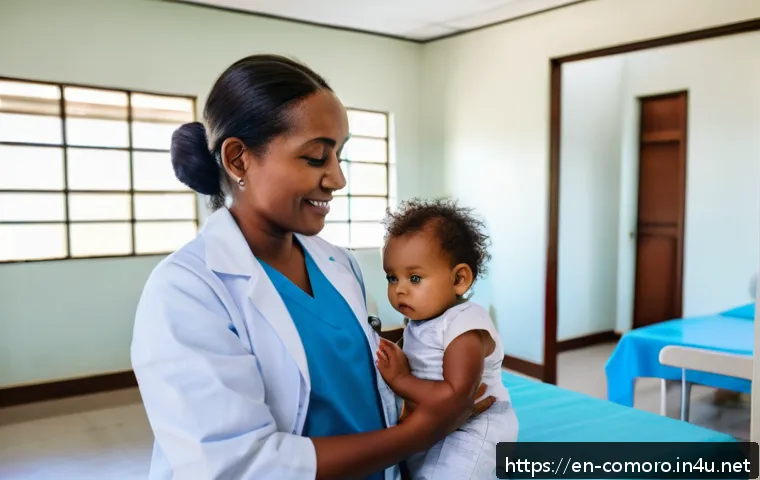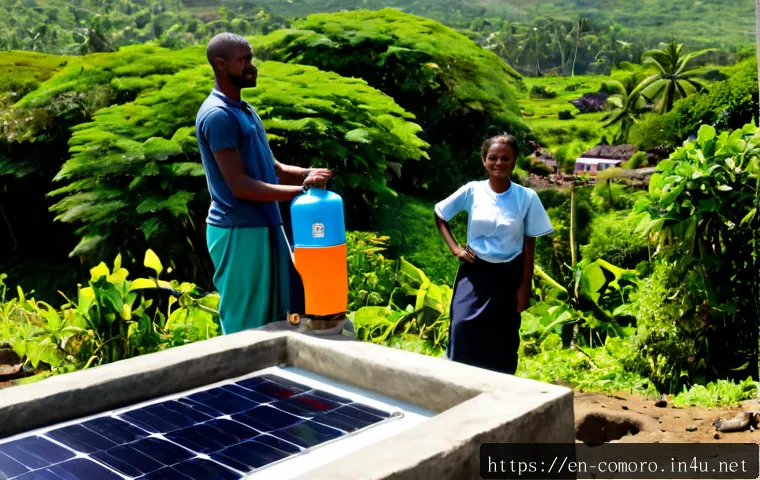
In Comoros, emergency relief is most suitable for immediate shocks, while resilient services, livelihoods, and public capacity need longer-term investment.

The strongest aid programs combine local participation, clear procurement controls, realistic island logistics, and a funded plan for maintenance after delivery.
For donors, NGOs, and public teams, the key choice is not simply which sector to fund, but whether the implementation model matches the timeframe and operating conditions.
Development consulting, grant management, and monitoring and evaluation support can add value when they strengthen local delivery rather than replace it.
Any funding decision should be based on current project documents, safeguards, budget detail, and independent reporting where available.
At a Glance
- Immediate support can address essential services, food security, and disaster preparedness when communities face urgent needs.
- Long-term development is usually better suited to resilient infrastructure, livelihoods, energy access, and public administration capacity.
- Delivery quality matters: local ownership, coordination, procurement controls, and maintenance funding can determine whether results last.
| Project Type | Main Cost Drivers | Delivery Timeline | Key Implementation Risk | Useful Evaluation Metrics |
|---|---|---|---|---|
| Emergency relief | Transport, island logistics, supplies, rapid staffing | Short-term | Weak targeting or duplicated assistance | Timeliness, coverage, access to essential support |
| Service and infrastructure projects | Procurement, materials, technical design, maintenance | Multi-year | Assets deteriorate after funding ends | Service reliability, use, upkeep arrangements |
| Technical assistance and capacity building | Specialist time, local coordination, training, follow-up | Variable | External advice is not embedded in local systems | Adoption of systems, local capability, continuity |
What International Assistance in Comoros Usually Prioritizes
International assistance in Comoros commonly supports health, education, water and sanitation, agriculture, fisheries, energy access, and public administration. Because Comoros consists of Grande Comore, Mohéli, and Anjouan, program design must account for separated island locations, transport constraints, and different local operating conditions.
The Immediate Needs: Essential Services, Food Security, and Disaster Preparedness
Humanitarian assistance may be appropriate when communities need rapid support for essential services or are exposed to disaster-related disruption. Cyclones, flooding, coastal erosion, and volcanic hazards are relevant planning considerations. A practical emergency design should identify who is being reached, how supplies or services will move between islands, and how authorities and communities will be informed.
Watch for: a relief plan that measures only items distributed. Delivery counts are useful, but they do not by themselves show whether assistance reached the intended households or addressed the most urgent gap.
The Long-Term Needs: Resilient Infrastructure, Livelihoods, and Public Capacity
Longer-term programs can focus on reliable water and sanitation services, climate resilience, livelihoods, fisheries, agriculture, energy access, and stronger public administration. These interventions often need more coordination and a clearer maintenance plan than short-term aid. An asset is not a durable result unless responsibilities, operating resources, and local technical capacity are considered from the beginning.
Three-Point Summary for Assessing Any Proposed Intervention
- Fit: Does the intervention address a defined local need on the relevant island?
- Feasibility: Are staffing, procurement, transport, safeguards, and maintenance realistic?
- Durability: Will local authorities and communities be able to use, manage, or sustain the result?
Comparing Aid Models: Relief, Development Projects, and Technical Assistance
Short-Term Humanitarian Support Versus Multi-Year Service Delivery
Emergency relief is designed for speed and immediate protection. It is usually not a substitute for multi-year investments in water systems, health services, education, resilient infrastructure, or livelihoods. A development project should be judged against its pathway to sustained service delivery, not against the speed expected from a humanitarian response.
Technical assistance can be useful when a government unit, NGO, or delivery team needs help with planning, grant management, procurement processes, project implementation, or monitoring and evaluation. It is less useful when it produces reports without improving decisions or local capability.
Cost Drivers: Transport, Island Logistics, Staffing, Procurement, and Maintenance
Geographic isolation and dependence on imported goods can shape project costs and schedules in Comoros. Review budgets for transport between islands, procurement timing, qualified staffing, technical oversight, and the costs of keeping services or equipment operational. A lower initial budget may not represent better value if it leaves no practical route for upkeep.
Which Outcomes Should Be Measured Before Funding Is Renewed
Before renewing support, ask whether the program measures changes that matter beyond activities completed. Depending on the project, this may include access to services, continued functionality, community use, institutional adoption, or preparedness for hazards. A monitoring and evaluation service should distinguish between outputs, such as training sessions held, and durable outcomes, such as whether the intended practice or service continues.
How to Assess a Program Before Funding or Partnering
Local Ownership, Government Coordination, and Community Consultation
Programs are generally better positioned when local authorities and communities help define priorities and delivery arrangements. Consultation should not be treated as a one-time formality. It should shape site selection, communication methods, responsibilities, and feedback channels. Government coordination also helps reduce the risk that separate partners fund overlapping services.
Budget Transparency, Procurement Controls, and Contractor Oversight
A responsible review should identify major budget assumptions, procurement steps, approval responsibilities, and contractor oversight arrangements. For infrastructure or equipment, ask who confirms quality, who accepts delivery, and what happens if maintenance needs arise later. These questions are relevant whether work is led by an NGO, a public institution, a consulting firm, or a blended implementation team.
Monitoring, Evaluation, and Learning Requirements
Monitoring should be practical enough to support course correction during delivery. Evaluation should answer whether the project achieved meaningful results and what conditions affected performance. Good grant management arrangements define reporting lines, data responsibilities, community feedback processes, and how lessons will influence the next funding decision.
Common Delivery Risks in Island Development Programs
Fragmented Implementation Across Islands
Programs that work only from one central point may struggle to reflect the needs of Grande Comore, Mohéli, and Anjouan. Fragmentation can also occur when different partners use separate targeting methods, schedules, or reporting systems. A shared coordination approach can make gaps and duplication easier to identify.
Infrastructure Upkeep After Donor Funding Ends
Funding a physical asset without defining upkeep is a common weakness. Before approving an infrastructure-related activity, examine maintenance roles, technical support, supply access, and the institution or community structure expected to manage the asset. This is especially important where imported goods and island logistics affect replacement or repair.

Avoiding Duplicated Services and Weak Beneficiary Targeting
Projects need transparent criteria for deciding where and for whom services are delivered. Weak targeting can leave priority groups underserved, while duplicated activities can consume resources without expanding useful coverage. Coordination with local authorities, communities, and other development partners is a practical control, not merely an administrative step.
Practical Approaches by Sector and Situation
Health, Water, and Sanitation Projects
These projects should begin with a clear service problem and a realistic delivery chain. Review staffing, supply availability, local management, and continuity planning. For water and sanitation work, the central question is often not only whether a facility can be built, but whether it can be safely operated and maintained over time.
Climate Resilience, Coastal Protection, and Disaster Preparedness
Climate and disaster resilience initiatives should reflect exposure to cyclones, flooding, coastal erosion, and volcanic hazards. A useful approach connects physical measures, community preparedness, local coordination, and communication plans. Avoid treating resilience as a standalone construction activity without considering who will use and maintain the systems involved.
Livelihoods, Fisheries, Agriculture, and Small-Enterprise Support
Livelihood programs need to account for local conditions, market access, transport limitations, and the resources available to participants. For fisheries and agriculture, implementation partners should show how technical support, local participation, and follow-up will be organized. Small-enterprise support should be assessed for practical fit rather than assumed to work uniformly across communities.
Selection Criteria and Comparison Summary
A Decision Checklist for Donors, NGOs, and Implementation Partners
Before choosing a development consulting provider, project implementation partner, or monitoring service, check the following:
- Island-specific plan: Does the proposal explain how delivery will work in the intended location?
- Local relationships: Are local authorities and communities involved in decisions and feedback?
- Controls: Are procurement, financial approvals, safeguarding, and contractor oversight clearly assigned?
- Maintenance: Is there a credible plan for operation, repair, and continuity after initial funding?
- Evidence: Are indicators tied to meaningful outcomes rather than activity totals alone?
- Coordination: Does the team explain how it will avoid duplication with other partners?
When to Hire Local Specialists, External Consultants, or a Blended Delivery Team
Local specialists may be the best starting point where local knowledge, language, relationships, and day-to-day coordination are central to delivery. External consultants can be useful for specialized technical work, independent evaluation, complex procurement support, or structured project design. A blended team may be appropriate when external expertise is paired with strong local implementation leadership and clear knowledge transfer.
Questions to Ask Before Approving a Budget or Signing a Service Agreement
Ask what assumptions sit behind logistics and procurement costs, who owns each delivery risk, how results will be verified, and what happens after the project period. Also ask whether the budget includes the full cost of supervision, community engagement, monitoring, and maintenance planning. For formal service terms, review the official scope, safeguards, reporting requirements, and implementation conditions on the relevant provider or donor page.
Closing Thoughts
International aid in Comoros is most useful when the funding model matches the problem being addressed. Rapid relief, multi-year development investment, and technical assistance each have a different role. Strong programs make local conditions visible in the budget, implementation plan, and evaluation framework. The best partner is not universal; it depends on location, delivery capacity, safeguards, and the project’s long-term responsibilities.
Useful Information to Keep in Mind
1. Comoros is made up of Grande Comore, Mohéli, and Anjouan, so island logistics should be considered early.
2. Imported goods and geographic isolation can affect procurement, transport, and maintenance planning.
3. Health, education, water and sanitation, agriculture, fisheries, energy access, and public administration have all been areas of international assistance.
4. Community participation and local authority involvement can improve fit with local operating conditions.
Important Notes
Project budgets, timelines, geographic coverage, and results vary by program and require review of current documentation. Do not assume that a project met its stated targets without examining recent independent reporting or other reliable evidence. The appropriate donor, contractor, consultant, or implementation partner can only be assessed after the location, safeguards, budget, and delivery requirements are defined.
Frequently Asked Questions
Q1. What types of international aid are most relevant in Comoros?
A1. Relevant areas include health, education, water and sanitation, agriculture, fisheries, energy access, public administration, climate resilience, and disaster preparedness. The right type of support depends on whether the need is immediate or requires a longer-term service and capacity-building approach.
Q2. How can a donor compare the cost and value of humanitarian relief versus a long-term development project?
A2. Compare them by purpose, timeframe, delivery risks, and expected outcomes. Relief should be assessed for timely, appropriate access to urgent support. A long-term project should also be assessed for service continuity, local ownership, maintenance arrangements, and measurable durable results.
Q3. What should an NGO check before selecting an implementation or monitoring partner in Comoros?
A3. Check island-specific delivery capacity, local partnerships, government coordination, procurement controls, safeguarding arrangements, budget transparency, monitoring methods, and maintenance planning. A partner should be able to explain how it will verify results and adapt when local conditions affect delivery.