Exploring the Muslim culture in Comoros offers a fascinating glimpse into a rich blend of traditions, spirituality, and everyday customs. Islam deeply influences social life, shaping values, celebrations, and interpersonal interactions across the islands.
Understanding these cultural nuances not only enriches travel experiences but also fosters respect and meaningful connections with locals. From prayer rituals to hospitality etiquette, there’s much to discover that reflects both faith and heritage.
Let’s dive in and uncover the unique aspects of Comorian Muslim culture together!
Daily Life Shaped by Faith and Tradition
Morning Rituals and Community Prayers
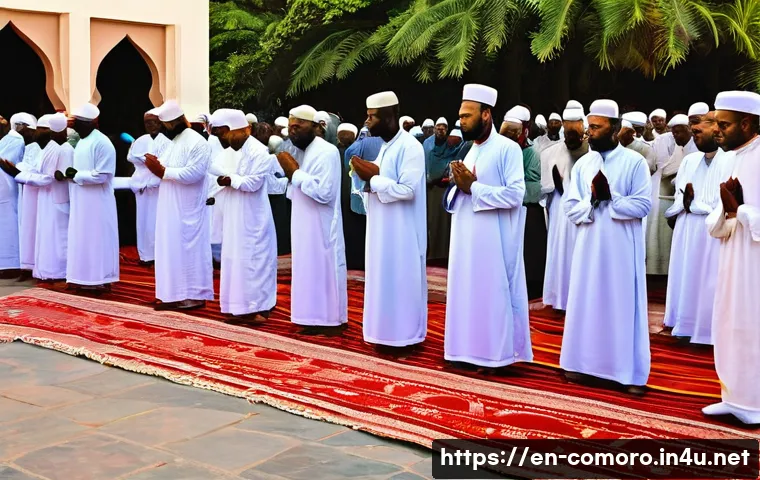
In Comoros, the rhythm of daily life is intricately tied to the five daily prayers of Islam, which serve as both spiritual anchors and social glue. Early mornings often begin with the soft call to prayer, echoing through neighborhoods and inviting everyone to pause and reflect.
What I found striking during my visit was how these moments are not just personal but deeply communal. People gather at local mosques or even in open spaces, sharing a sense of unity that transcends individual differences.
The call to prayer also marks a natural break in daily activities, reminding everyone of the importance of mindfulness and gratitude in their routines.
Family and Social Gatherings
Family is the cornerstone of Comorian society, and Islamic values emphasize strong kinship bonds. From my experience, visiting homes felt like stepping into a warm embrace, where hospitality is an art form rooted in both culture and religion.
Meals are often shared communally, with traditional dishes passed around, symbolizing generosity and connection. Social interactions are guided by respect and modesty, especially between genders, reflecting Islamic etiquette.
Celebrations, whether religious or cultural, bring extended families together, strengthening ties and preserving traditions through storytelling, music, and dance.
Daily Etiquette Reflecting Respect and Piety
Respect permeates everyday interactions in Comoros, influenced heavily by Islamic teachings. Greeting others with peace (salaam) and a gentle handshake or nod is customary, signaling goodwill and acknowledgment.
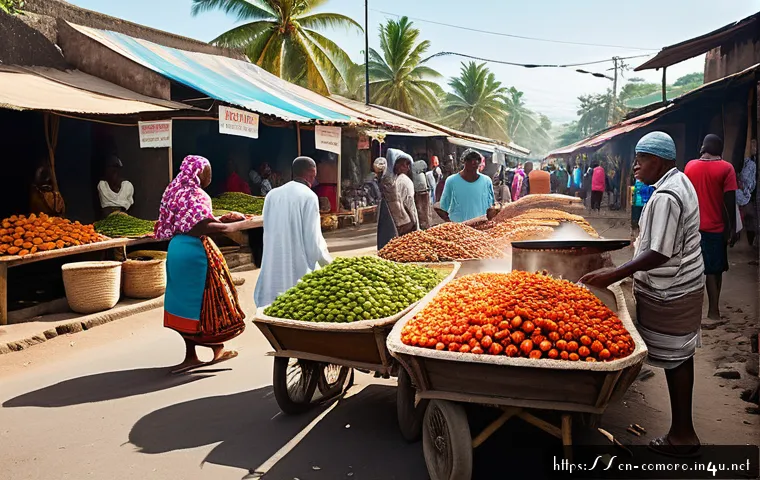
In markets and public spaces, modest dress and behavior are not just expected but embraced, creating a harmonious social atmosphere. I noticed that even casual conversations often include blessings or prayers, a subtle yet constant reminder of faith’s role in daily life.
This blend of reverence and warmth makes social exchanges both meaningful and comfortable.
Festive Traditions and Religious Celebrations
Eid al-Fitr: Marking the End of Ramadan
Eid al-Fitr in Comoros is a vibrant, joyous occasion that I had the privilege to witness firsthand. After a month of fasting and spiritual reflection during Ramadan, the celebration bursts forth with communal prayers, feasting, and gift-giving.
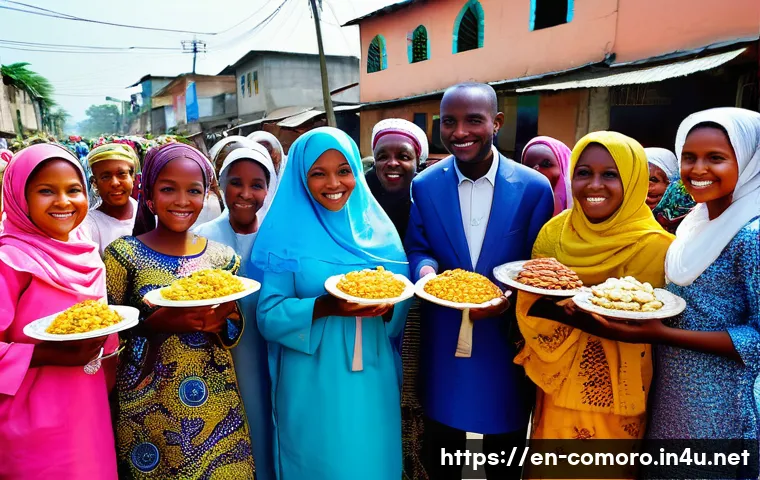
Streets come alive with colorful attire and laughter, as families prepare special dishes like pilaf and sweets. The atmosphere is one of gratitude and renewal, where social divides soften and everyone partakes in shared happiness.
What stood out to me was how the holiday strengthens community bonds, inviting even strangers to join in the festivities.
Eid al-Adha: Sacrifice and Solidarity
Eid al-Adha, commemorating the willingness of Ibrahim to sacrifice for God, is observed with solemnity and generosity. In Comoros, this holiday involves the ritual sacrifice of animals, typically goats or sheep, followed by distributing the meat among family, friends, and the needy.
I found the practice deeply moving, as it embodies compassion and social responsibility. Beyond the religious act, the holiday fosters a spirit of empathy and care, reminding everyone of their shared humanity and duty to support one another.
Other Spiritual and Cultural Observances
Aside from the major Eids, Comorians observe various other religious days and local customs that blend Islamic teachings with indigenous heritage. For instance, the Mawlid celebration honoring the Prophet Muhammad’s birthday includes poetry recitations, communal prayers, and festive gatherings.
These events are windows into how faith is lived dynamically, adapting to local contexts while maintaining core principles. Experiencing these moments gave me a deeper appreciation for the rich tapestry of Comorian Muslim life, where spirituality and culture intertwine seamlessly.
Traditional Clothing and Symbolism
Everyday Attire Rooted in Modesty
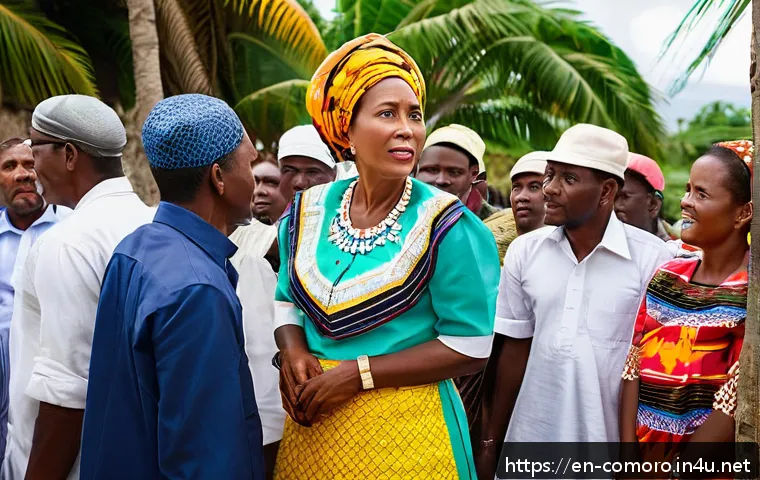
The clothing choices in Comoros reflect Islamic values of modesty while also showcasing vibrant local styles. Men often wear light, loose garments such as the kanzu or long tunics, paired with caps during prayers or formal occasions.
Women’s attire typically includes the mharuma, a colorful wrap that covers the body and head, striking a balance between tradition and personal expression.
What I noticed was that clothing is not just about covering up; it’s a statement of identity and respect for cultural norms. The fabrics, patterns, and colors tell stories of heritage and regional pride.
Special Occasion Dress and Adornments
During weddings, religious festivals, and other important events, clothing becomes more elaborate and symbolic. Brides wear intricately embroidered dresses and sometimes gold jewelry, symbolizing beauty and status.
Men might don tailored robes and headscarves that denote dignity and celebration. I was fascinated by how these garments are often handmade or passed down through generations, linking individuals to their ancestors.
The care invested in dressing up reflects the significance of these moments, blending faith, family, and festivity.
Clothing Etiquette and Gender Norms
Dress codes in Comorian Muslim culture also reflect broader social expectations about gender and behavior. Women’s modest dress aligns with Islamic principles, yet there is room for personal style within those boundaries.
Men’s attire tends to emphasize simplicity and respectability. I observed that these norms are generally embraced by the community, seen as part of maintaining social harmony and spiritual mindfulness.
Visitors who respect these customs often find a warm welcome, as it signals understanding and appreciation for local values.
Hospitality Practices and Social Norms
Welcoming Guests with Open Arms
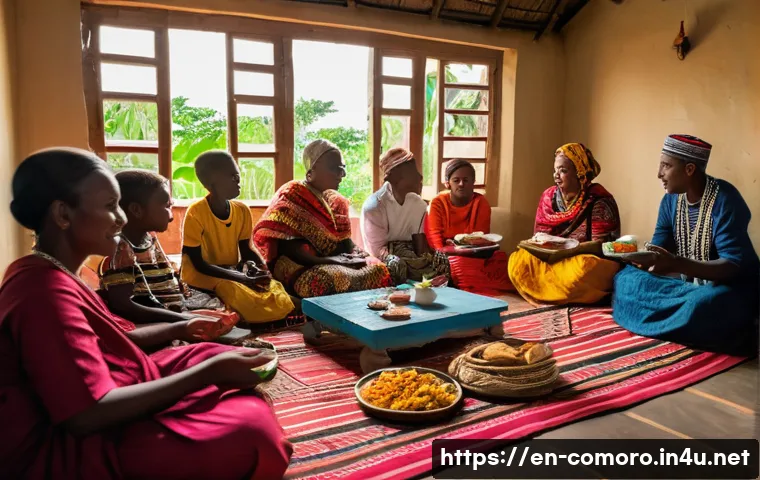
Hospitality in Comoros is legendary, deeply rooted in Islamic and African traditions. When visiting homes, guests are treated like family, often offered coffee, tea, or local snacks as a gesture of goodwill.
From my own experience, refusing such offers can be seen as impolite, so it’s best to accept graciously. Conversations flow naturally, filled with warmth and genuine interest in the visitor’s wellbeing.
This culture of generosity is not just about material offerings but about creating bonds and sharing blessings.
Respectful Communication and Social Boundaries
Communication in Comorian Muslim society balances friendliness with respect for hierarchy and social roles. Elders are addressed with honorifics, and younger people show deference through body language and tone.
I noticed that direct confrontation is avoided, replaced by polite dialogue and subtle cues. Gender interactions also follow clear guidelines to maintain propriety, especially in public settings.
Understanding these nuances helped me navigate social situations smoothly and build trust with locals.
Gift-Giving and Ritual Exchanges
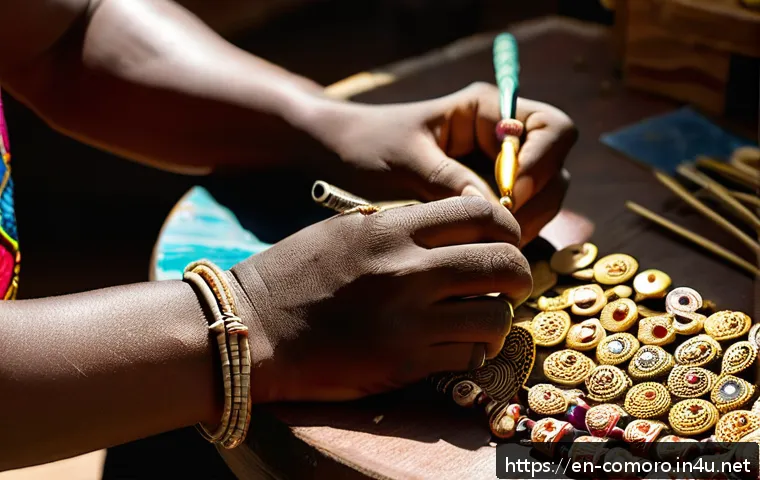
Gift-giving is an integral part of hospitality and social rituals, symbolizing respect and goodwill. During visits, bringing small presents like sweets or handmade crafts is appreciated.
I learned that gifts are often exchanged during religious holidays, weddings, and significant life events, reinforcing social ties. The act itself carries deep meaning, emphasizing generosity and the reciprocal nature of relationships.
Observing these traditions highlighted how material tokens can nurture emotional and spiritual connections in Comorian culture.
Language, Storytelling, and Islamic Education
Languages Spoken and Their Cultural Roles
Comoros is linguistically rich, with Comorian (Shikomori), Arabic, and French commonly spoken. Arabic, in particular, holds a special place as the language of the Quran and Islamic scholarship.
Many Comorians learn it from a young age, blending religious education with everyday communication. From my interactions, I realized that language is a powerful tool for preserving faith and cultural identity.
It also enables access to a broader Islamic world, connecting the islands to global Muslim communities.
The Role of Storytelling and Oral Traditions
Storytelling is a cherished practice, often used to pass down religious teachings, moral lessons, and historical narratives. In mosques and community gatherings, elders recount tales of prophets, saints, and local heroes, weaving faith and heritage into captivating narratives.
I found these sessions both entertaining and enlightening, offering insights into the values and worldview of Comorian Muslims. The oral tradition fosters a sense of continuity and belonging, bridging generations through shared stories.
Islamic Schools and Learning Centers
Education in Islam is highly valued, and Comoros has many madrassas and Quranic schools that nurture spiritual and intellectual growth. Children often attend these institutions alongside secular schools, learning to read and memorize the Quran while acquiring religious knowledge.
During my visit, I observed the dedication of teachers and students alike, highlighting the community’s commitment to faith-based education. These centers also serve as hubs for social interaction, strengthening communal ties and fostering leadership grounded in Islamic principles.
Influence of Islamic Law on Social Practices
Marriage Customs and Family Life
Islamic law shapes many aspects of family life in Comoros, particularly marriage. I noticed that arranged marriages are still common, with families playing a significant role in partner selection.
The wedding ceremony blends Islamic rites with local customs, emphasizing mutual respect and community involvement. Divorce is allowed but approached with caution and guided by religious principles aiming to preserve family harmony.
These legal frameworks provide structure while respecting cultural nuances, reflecting a balance between tradition and religious obligations.
Justice, Conflict Resolution, and Community Harmony
Dispute resolution often involves Islamic legal concepts, mediated by community leaders and religious scholars. I witnessed how elders and imams act as respected arbitrators, emphasizing reconciliation and forgiveness over punishment.
This approach fosters social cohesion and minimizes conflicts escalating into divisions. The integration of Sharia principles with customary law creates a unique legal landscape that resonates with the people’s spiritual and cultural values.
Economic Practices and Ethical Guidelines
Islamic ethics also influence economic behavior in Comoros, promoting fairness, honesty, and charity. Practices such as zakat (almsgiving) are vital for social welfare, redistributing wealth to support the vulnerable.
In business dealings, trustworthiness and transparency are highly prized, reflecting faith-based morality. From my observations, these ethical standards enhance community resilience and mutual support, contributing to a socially responsible economy.
| Aspect | Key Features | Community Impact |
|---|---|---|
| Prayer Rituals | Five daily prayers, communal mosque gatherings, call to prayer | Fosters unity, spiritual mindfulness, structured daily routine |
| Festivals | Eid al-Fitr, Eid al-Adha, Mawlid celebrations | Strengthens social bonds, encourages generosity, cultural expression |
| Clothing | Modest attire, colorful wraps, special occasion garments | Reflects identity, respect for tradition, gender norms |
| Hospitality | Generous welcoming, gift-giving, respectful communication | Builds relationships, promotes social harmony, cultural pride |
| Education | Quranic schools, multilingual learning, storytelling | Preserves faith, nurtures knowledge, connects generations |
| Social Law | Marriage customs, conflict mediation, ethical commerce | Maintains order, encourages justice, supports community welfare |
In Closing
Faith and tradition are woven deeply into the fabric of daily life in Comoros, shaping community bonds, social behavior, and cultural identity. Experiencing these practices firsthand reveals a society where spirituality and everyday living coexist harmoniously. This unique blend fosters a strong sense of belonging and mutual respect that resonates throughout all aspects of life.
Useful Information to Keep in Mind
1. The five daily prayers not only guide spiritual practice but also structure the daily routine and promote community unity.
2. Major religious festivals like Eid al-Fitr and Eid al-Adha are celebrated with generosity and joy, reinforcing social ties.
3. Traditional clothing reflects modesty and cultural pride, with special attire reserved for important occasions.
4. Hospitality in Comoros is heartfelt and respectful, with gift-giving playing a key role in building relationships.
5. Islamic education and storytelling preserve faith and cultural heritage, connecting generations through shared knowledge.
Key Takeaways
Understanding Comorian life means appreciating how Islamic faith and local customs intertwine to influence daily rituals, social etiquette, and communal harmony. Respect for tradition and religious law shapes family structures, conflict resolution, and economic ethics, creating a balanced and cohesive society. Visitors who embrace these values often find a welcoming community that treasures both spiritual devotion and cultural richness.
Frequently Asked Questions (FAQ) 📖
Q: How does Islam influence daily life and social customs in Comoros?
A: Islam shapes almost every aspect of daily life in Comoros, from the way people dress to how they interact with one another. Prayer times are strictly observed, and many social events revolve around religious practices.
Hospitality is deeply rooted in Islamic values, so visitors often experience warm welcomes and generous treatment. Additionally, Islamic teachings influence family structures, gender roles, and community decision-making, making religion an inseparable part of the cultural fabric.
Q: What are some unique Muslim traditions or celebrations specific to Comoros?
A: While Comoros shares many Islamic holidays with the broader Muslim world, such as Ramadan and Eid, the islands have their own local flavor. For example, the celebration of Maulid, the Prophet Muhammad’s birthday, is marked with vibrant songs, poetry, and communal feasts unique to Comorian culture.
Traditional music and dance often accompany these events, blending Islamic devotion with indigenous African and Arab influences, creating a distinctive cultural expression that you won’t find elsewhere.
Q: Are there any important etiquette tips travelers should know when visiting Comoros to respect Muslim customs?
A: Absolutely! Dressing modestly is crucial—both men and women should avoid revealing clothing, especially outside of tourist resorts. During prayer times, it’s respectful to remain quiet and avoid interrupting worshippers.
When invited into a home, it’s polite to remove your shoes and accept any offered refreshments, as hospitality is a key part of the culture. Also, public displays of affection are frowned upon, and it’s best to ask permission before taking photos of people or religious sites.
Following these simple guidelines will help you build genuine connections and enjoy your stay respectfully.