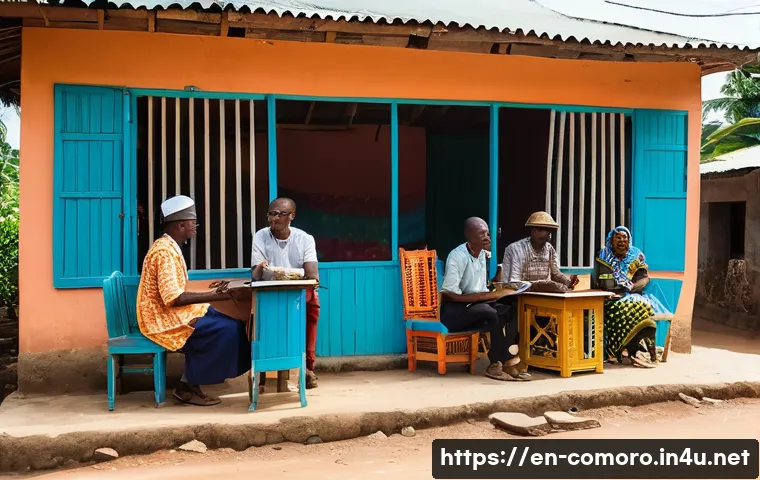
Exploring the media landscape of Comoros offers a fascinating glimpse into how news and culture intertwine on this island nation. Despite its small size, Comoros boasts a variety of media outlets that reflect its unique social and political dynamics.
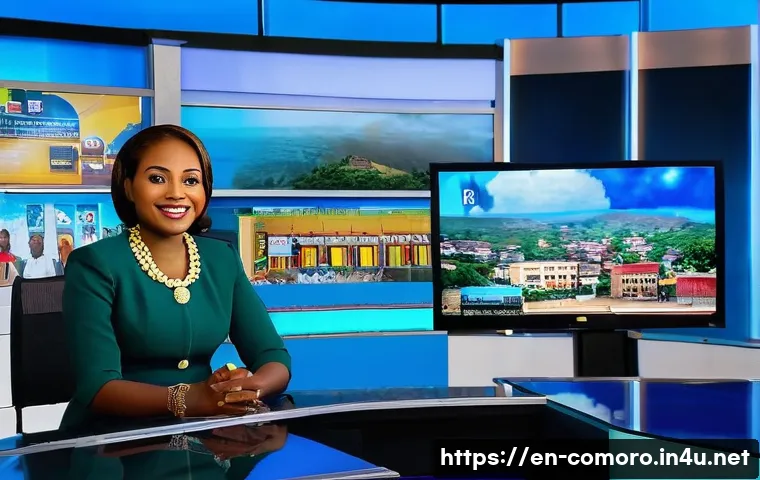
From radio stations that reach remote areas to newspapers tackling local and regional issues, these platforms play a crucial role in informing and connecting communities.
Understanding the main news sources helps reveal the challenges and opportunities in Comoros’ evolving information environment. Let’s dive deeper and uncover the key players shaping public discourse here.
I’ll guide you through the details in the sections below!
Broadcast Media’s Pivotal Role in Comoros
Radio: The Heartbeat of Island Communication
Radio remains the most accessible and influential medium across Comoros, primarily due to the archipelago’s challenging geography and limited internet penetration.
Local stations broadcast in Comorian, French, and Arabic, tailoring content to resonate with diverse linguistic groups. What’s striking is how these stations serve as community hubs, not just for news but for cultural expression and public dialogue.
I recall listening to a broadcast during a recent visit where locals called in to discuss regional elections, highlighting radio’s critical role in grassroots political engagement.
The informal yet interactive nature of radio fosters trust and immediacy that few other platforms can match here.
Television’s Growing but Limited Reach
Although television has gained ground, its reach is mostly confined to urban centers like Moroni. Limited infrastructure and high costs mean many rural inhabitants rely on radios instead.
However, TV stations focus more on national news, entertainment, and government announcements, presenting a more polished but less interactive source of information.
From my experience, TV’s visual appeal attracts younger audiences and those seeking a broader perspective, but it often lacks the localized nuance that radio provides.
This creates a fascinating media divide, with TV shaping the national narrative and radio sustaining community voices.
Emerging Trends in Broadcast Technology
There’s a noticeable shift toward digital radio and streaming platforms, especially among younger Comorians. While still in early stages, some stations have begun experimenting with online content and social media integration to expand their reach beyond the islands.
This trend hints at a future where traditional broadcast media might merge with digital channels, enhancing accessibility and interactivity. From what I’ve observed, these innovations could democratize information further, although challenges like internet reliability and digital literacy remain significant hurdles.
Print Media’s Steadfast Presence Amidst Change
Newspapers as Local Storytellers
Despite the global decline of print, newspapers in Comoros continue to play a vital role in documenting local affairs, politics, and social issues. Publications tend to be weekly or biweekly, reflecting both resource constraints and the slower news cycle.
I’ve noticed that these papers often feature in-depth analyses and opinion pieces that are missing from broadcast outlets, giving readers a more reflective understanding of events.
Their tactile nature also means they circulate in public spaces like markets and cafes, sparking face-to-face discussions.
Challenges Facing Print Journalism
Economic constraints, limited advertising revenue, and distribution difficulties challenge the sustainability of print media. Many newspapers operate with small teams and struggle to compete with the immediacy of radio and digital platforms.
However, their editorial independence sometimes surpasses that of state-run broadcast outlets, providing an essential check on government narratives. From talking with local journalists, it’s clear they are passionate about maintaining this tradition despite the odds, often balancing multiple roles to keep presses running.
The Role of Language and Literacy
The multilingual nature of Comoros shapes print media’s reach and impact. Newspapers published mainly in French and Arabic cater to educated urbanites, while content in Comorian is rarer but crucial for broader inclusion.
Literacy levels also affect readership patterns, with efforts underway to improve educational access to widen the audience. In my view, enhancing linguistic diversity and literacy will be key to print media’s future relevance on the islands.
Digital Media: The Emerging Frontier
Internet Penetration and Social Media Usage
Although internet access is still limited compared to global standards, mobile connectivity has gradually improved, enabling more Comorians to engage with digital content.
Social media platforms, especially Facebook and WhatsApp, have become popular channels for news sharing, political mobilization, and cultural exchange.
From firsthand observation, younger generations are particularly active online, using these tools to bypass traditional gatekeepers and create alternative narratives.
Opportunities for Citizen Journalism
Digital tools empower ordinary citizens to report on events and issues firsthand, fostering a more participatory media environment. I’ve encountered several grassroots initiatives where locals document stories through videos and blogs, amplifying voices that mainstream outlets might overlook.
This democratization of information is promising but also raises concerns about misinformation and content verification, which remain critical challenges.
Government and Regulatory Influence
The digital space in Comoros is not free from political oversight. Authorities occasionally monitor and regulate online content, balancing between maintaining order and restricting dissent.
From conversations with digital activists, there’s a delicate tension between leveraging digital freedoms and navigating censorship risks. How this balance evolves will significantly shape the future media landscape.
Community Radio Stations as Catalysts for Local Development
Tailoring Content to Community Needs
Community radio stations in Comoros are uniquely positioned to address local issues such as health, education, and agriculture. Their programming often includes interactive segments where listeners ask questions or share experiences, fostering a sense of ownership and relevance.
During a field visit, I was impressed by how these stations partner with NGOs to disseminate vital information, demonstrating media’s role beyond mere entertainment.
Building Social Cohesion Through Media
In a country marked by ethnic and linguistic diversity, community radios act as bridges promoting dialogue and understanding. I witnessed firsthand how these stations host cultural programs and forums that celebrate Comorian heritage while encouraging tolerance.
This social function is invaluable, especially in times of political uncertainty or social tension.
Financial Sustainability and Volunteerism
Many community radio stations rely heavily on volunteers and modest funding, which can limit their operational capacity. However, the passion and commitment of local broadcasters often compensate for resource shortages.
From what I gathered, sustainable funding models involving local businesses and international partnerships are essential to maintain and expand their impact.
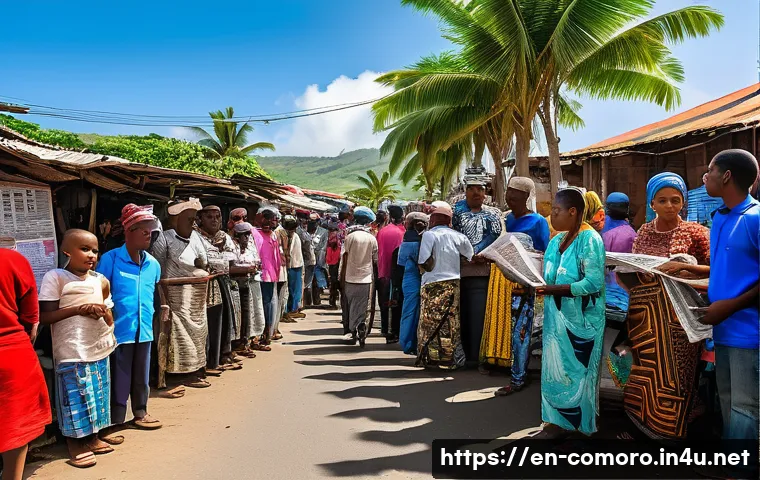
State Media and Its Influence on Public Perception
Government-Controlled Outlets and Their Reach
State media in Comoros includes radio and television channels that primarily relay official news and government viewpoints. These outlets have the widest technical reach, especially in rural areas, but their editorial independence is often questioned.
In conversations with locals, some express skepticism about the impartiality of state media, while others appreciate the consistent flow of national information.
Balancing Propaganda and Public Service
State broadcasters attempt to balance promoting government agendas with providing useful public information. I’ve noticed that during crises or elections, messaging becomes more controlled and strategic.
The challenge lies in maintaining credibility while fulfilling a political mandate, a tightrope walk that shapes public trust in these outlets.
The Role of State Media in National Identity
Beyond news, state media plays a part in forging a unified national identity by highlighting cultural events, language, and history. This role is particularly important in a fragmented society like Comoros, where media can reinforce shared values.
From my perspective, state media’s cultural programming is one of its most effective tools for social cohesion.
Mapping the Media Landscape: A Comparative Overview
| Media Type | Primary Languages | Geographical Reach | Main Audience | Strengths | Challenges |
|---|---|---|---|---|---|
| Radio | Comorian, French, Arabic | Nationwide, including remote islands | General population, rural communities | Accessibility, community engagement, immediacy | Limited funding, infrastructure constraints |
| Television | French, Comorian | Urban centers mainly | Younger, urban viewers | Visual appeal, national coverage | Limited rural reach, high costs |
| Print Newspapers | French, Arabic, some Comorian | Urban and peri-urban areas | Educated readers, opinion leaders | In-depth analysis, editorial independence | Distribution, economic sustainability |
| Digital Media | French, Comorian | Growing, urban and diaspora | Younger generations, activists | Interactivity, citizen journalism | Internet access, misinformation |
| Community Radio | Comorian, local dialects | Specific localities | Local communities | Localized content, social cohesion | Funding, volunteer reliance |
| State Media | French, Comorian | Nationwide | General population | Wide reach, cultural programming | Editorial independence, public trust |
The Intersection of Media and Political Discourse
Media as a Platform for Political Debate
Media outlets in Comoros frequently serve as battlegrounds for political ideas, especially during election periods. Radio talk shows and social media buzz with lively debates that reflect the country’s multiparty system.
I’ve found that while some stations maintain neutrality, others openly support factions, influencing public opinion significantly. This dynamic media environment is crucial for democratic engagement but also risks polarizing communities if not managed responsibly.
Press Freedom and Its Constraints
Journalists in Comoros navigate a complex landscape where freedom of expression exists but faces pressures from political interests and social taboos.
Self-censorship is common, and occasional intimidation incidents have been reported. Having spoken with media professionals, it’s evident that they strive to uphold journalistic standards despite these challenges, underscoring their commitment to informing the public.
Media Literacy and Public Awareness
Enhancing media literacy is becoming a priority to help citizens critically assess information and resist manipulation. NGOs and educational institutions have launched initiatives to educate the public, particularly youth, about discerning credible sources.
From my engagement with these programs, fostering critical thinking is vital to strengthening Comoros’ media ecosystem and democratic resilience.
Media’s Role in Preserving and Promoting Comorian Culture
Cultural Programming and Language Preservation
Broadcast and print media actively contribute to preserving Comorian traditions by featuring music, storytelling, and local languages. This cultural content not only entertains but also educates younger generations about their heritage.
I’ve enjoyed programs showcasing traditional dance and oral histories that highlight the richness of Comorian identity, reinforcing pride and continuity.
Media Festivals and Community Engagement
Events organized around media, such as radio contests or film screenings, foster community participation and spotlight local talents. These gatherings create spaces where cultural expression and media production intersect, encouraging collaboration.
Participating in one such festival revealed the enthusiasm and creativity fueling Comoros’ media scene beyond conventional news reporting.
The Influence of Diaspora Media
Comorian diaspora communities produce media content that connects islanders abroad with homeland culture and news. This transnational media flow enriches local perspectives and strengthens bonds despite physical distance.
From conversations with diaspora members, these outlets provide a vital platform for cultural exchange and advocacy, reflecting the global dimension of Comorian identity.
In Conclusion
The media landscape in Comoros is a vibrant mix of traditional and emerging platforms, each playing a vital role in informing, connecting, and empowering the population. From the widespread reach of radio to the growing influence of digital media, these channels collectively shape the country’s social and political fabric. Understanding their dynamics offers valuable insight into Comoros’ unique cultural identity and ongoing development.
Useful Information to Keep in Mind
1. Radio remains the most accessible and trusted medium across Comoros, particularly in rural areas, offering community-focused content in multiple languages.
2. Television mainly serves urban audiences with polished programming but faces challenges in reaching remote populations.
3. Print newspapers provide in-depth analysis and maintain editorial independence despite economic and distribution hurdles.
4. Digital media is rapidly expanding among younger generations, enabling citizen journalism and alternative narratives despite internet limitations.
5. Community and state media both contribute uniquely to social cohesion and national identity, balancing local needs with government perspectives.
Key Takeaways
Comoros’ media ecosystem is characterized by a strong reliance on radio for grassroots communication, complemented by television and print that cater to different audience segments. Digital media’s rise introduces new opportunities and challenges, especially in terms of accessibility and information accuracy. Community-driven stations and cultural programming play essential roles in preserving heritage and fostering dialogue, while state media influences public perception and national unity. Navigating political pressures and enhancing media literacy remain critical for the continued growth and credibility of Comorian media.
Frequently Asked Questions (FAQ) 📖
Q: What are the primary media outlets available in Comoros?
A: Comoros has a diverse media landscape considering its size. The most prominent outlets include several radio stations, which are vital since they reach even the most remote islands where internet access is limited.
Additionally, there are a few newspapers that focus on local news and regional affairs. Television is present but less widespread compared to radio. These platforms collectively provide a mix of news, cultural content, and public service information, making them essential for keeping the population informed.
Q: How do media outlets in Comoros handle political and social issues?
A: Media in Comoros often walk a fine line when covering political and social topics. While they strive to report on important issues like governance, human rights, and economic challenges, the press faces constraints due to political sensitivities and limited resources.
From my observations, radio stations tend to be more open and accessible for public discourse, whereas print media sometimes tread carefully to avoid conflicts.
Despite these challenges, the media plays a critical role in fostering dialogue and community awareness.
Q: What challenges do media organizations in Comoros face in reaching their audience?
A: One of the biggest hurdles is infrastructure—many parts of Comoros are rural and isolated, making internet and television access spotty. Radio remains the most effective way to reach broad audiences, but even then, technical limitations and funding shortages can impact quality and coverage.
Another challenge is literacy levels, which influence newspaper readership. From what I’ve gathered, these factors combined mean that media outlets often have to be creative and resourceful to engage their audiences effectively and maintain trust.